
Rim Strips

Rim Strips
Rim strips are used to protect the tube from any irregular or rough surfaces on the wheel. These are particularly valuable on vintage or antique wheels that might have seen some dings through the years as well as wire or spoke wheels where the spokes might contact the tube on the inside of the wheel. If you're not sure which rim strips you need for your application, contact a Tire Expert for assistance.
-
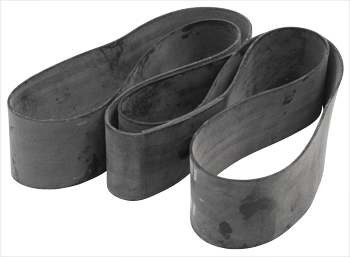 15 Inch Rim Strip$3.00
-
 16 Inch Rim Strip$2.00
-
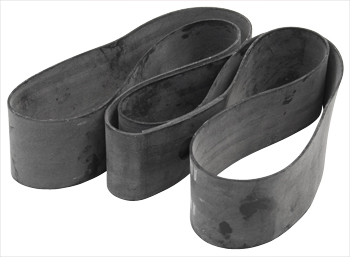 17 | 21 Inch Rim Strip$2.00
-
 26 Inch Rim Strip$5.50
-
 36 Inch Rim Strip$6.50
Rim strips are used to protect the tube from any irregular or rough surfaces on the wheel. These are particularly valuable on vintage or antique wheels that might have seen some dings through the years as well as wire or spoke wheels where the spokes might contact the tube on the inside of the wheel. If you're not sure which rim strips you need for your application, contact a Tire Expert for assistance.
Frequently Asked Questions
Identity & Purpose ▼
What do rim strips do in a tube-type tire setup for vintage or antique wheels? ▼
Rim strips act as a protective barrier between the inner tube and the wheel surface. On vintage or antique wheels, the inner surface may have rough edges, exposed spoke ends, or imperfections that can damage the tube. Rim strips prevent punctures and abrasions that could otherwise lead to slow leaks or sudden tube failure.
They are especially important for wire wheels or older steel wheels where internal surfaces are not perfectly smooth. By covering spoke nipples or sharp edges, rim strips improve overall reliability. Without a properly fitted rim strip, even a new tube can fail prematurely under normal driving conditions.
Are rim strips necessary for wire wheels and spoke wheels on classic vehicles? ▼
Rim strips are essential for wire and spoke wheels because the spoke ends protrude into the inner rim cavity. Without a rim strip, these metal points can directly contact the inner tube, leading to punctures or abrasion over time. This is a common issue in vintage restorations.
Even when wheels are restored, slight irregularities can remain. A properly sized rim strip creates a smooth surface for the tube to sit against. This ensures better durability and reduces the risk of tube failure, especially during extended driving or under load.
Can rim strips help prevent tube punctures caused by aged or damaged wheel surfaces? ▼
Yes, rim strips are specifically designed to shield the tube from imperfections such as rust, dents, or rough weld seams. Older wheels often develop surface inconsistencies that are not always visible during installation but can still damage the tube during use.
By covering these irregularities, rim strips reduce friction and eliminate direct contact between the tube and wheel. This significantly lowers the chances of slow leaks or sudden blowouts. For vehicles that are driven regularly, this added protection is especially important for long-term reliability.
Fitment & Compatibility ▼
How do I choose the correct rim strip size for my wheel diameter? ▼
Rim strips are sized based on wheel diameter, such as 15 inch, 16 inch, or larger options like 17 to 21 inch. Selecting the correct size ensures proper coverage of the inner rim surface and prevents shifting during use.
Using an incorrect size can lead to poor fitment, leaving parts of the wheel exposed or causing the strip to overlap. This can create pressure points or uneven surfaces that affect the tube. Always match the rim strip size directly to the wheel diameter for best results.
Are rim strips compatible with both wire wheels and solid steel wheels? ▼
Yes, rim strips are compatible with both wire wheels and solid steel wheels. On wire wheels, they cover spoke ends, while on steel wheels, they protect against rough edges or weld seams.
Each type of wheel presents different internal challenges, but rim strips address both effectively. Ensuring correct diameter and proper placement is key to achieving full protection regardless of wheel design.
Do rim strips work with different tube diameters and tire sizes? ▼
Rim strips are primarily matched to wheel diameter rather than tube diameter or tire size. As long as the rim strip fits the wheel correctly, it will work with compatible tubes and tires.
However, improper sizing can affect how the tube sits within the tire. Ensuring correct alignment helps prevent bunching or uneven pressure. This is especially important for maintaining consistent performance and avoiding internal wear.
Can rim strips be used on wheels with minor dents or irregularities? ▼
Rim strips can help compensate for minor dents or irregularities by creating a smoother surface for the tube. However, they are not a substitute for proper wheel repair if structural issues are present.
Severe damage can still compromise safety, even with a rim strip installed. For best results, ensure the wheel is in good condition before installation. Rim strips should be viewed as a protective layer, not a corrective solution.
Materials, Quality & Construction ▼
What materials are rim strips typically made from for durability? ▼
Rim strips are commonly made from durable rubber or similar flexible materials designed to withstand pressure and friction داخل the tire. These materials provide cushioning and protection against sharp edges.
Unlike stainless steel or chrome plating used in visible accessories, rim strips prioritize flexibility and resilience. Their construction allows them to conform to the wheel surface while maintaining consistent protection over time.
Are rim strips resistant to wear from friction and movement? ▼
Rim strips are designed to handle friction between the tube and wheel during operation. Their material composition allows them to absorb minor movement without breaking down quickly.
Over time, wear can occur, especially if the wheel surface is rough or the strip is improperly installed. Periodic inspection ensures that the rim strip continues to provide effective protection.
Do rim strips degrade over time with regular driving use? ▼
Yes, rim strips can degrade over time due to heat, pressure, and environmental factors. Regular driving, especially under load, can contribute to gradual wear.
Replacing rim strips during tire or tube changes is a good practice. This ensures consistent protection and prevents issues related to aging materials.
Installation and Guidance ▼
How are rim strips installed inside a wheel during tire mounting? ▼
Rim strips are placed directly onto the inner surface of the wheel before inserting the tube. They must be centered and aligned with the valve stem hole to ensure proper fitment.
Once positioned, the tube is installed over the rim strip, followed by the tire. The pressure from the mounted tire helps hold the rim strip in place. Careful handling during this process ensures correct placement and function.
Do rim strips require any special tools or mounting hardware? ▼
Rim strips do not require special tools, retention clips, or snap-on fitment. They rely on proper positioning and the pressure of the tire and tube to stay in place.
Standard tire mounting tools are sufficient for installation. However, care should be taken to avoid damaging the rim strip during the process. Proper technique ensures a smooth and effective installation.
What common mistakes should be avoided when installing rim strips? ▼
Common mistakes include incorrect sizing, misalignment with the valve stem hole, and improper positioning داخل the wheel. These issues can lead to uneven coverage or tube damage.
Another overlooked factor is bunching or folding during installation, which can create pressure نقاط. Taking time to properly align and smooth the rim strip helps prevent these problems and ensures reliable performance.
Can rim strips be reused when replacing tubes or tires? ▼
While rim strips can sometimes be reused, it is generally recommended to replace them during tube or tire changes. Over time, material fatigue can reduce their effectiveness.
Reusing worn rim strips may increase the risk of tube damage. Installing new rim strips ensures consistent protection and helps avoid potential issues during operation.