

Customs, Hot Rods & Street Rods
FEATURED NEW PRODUCTS


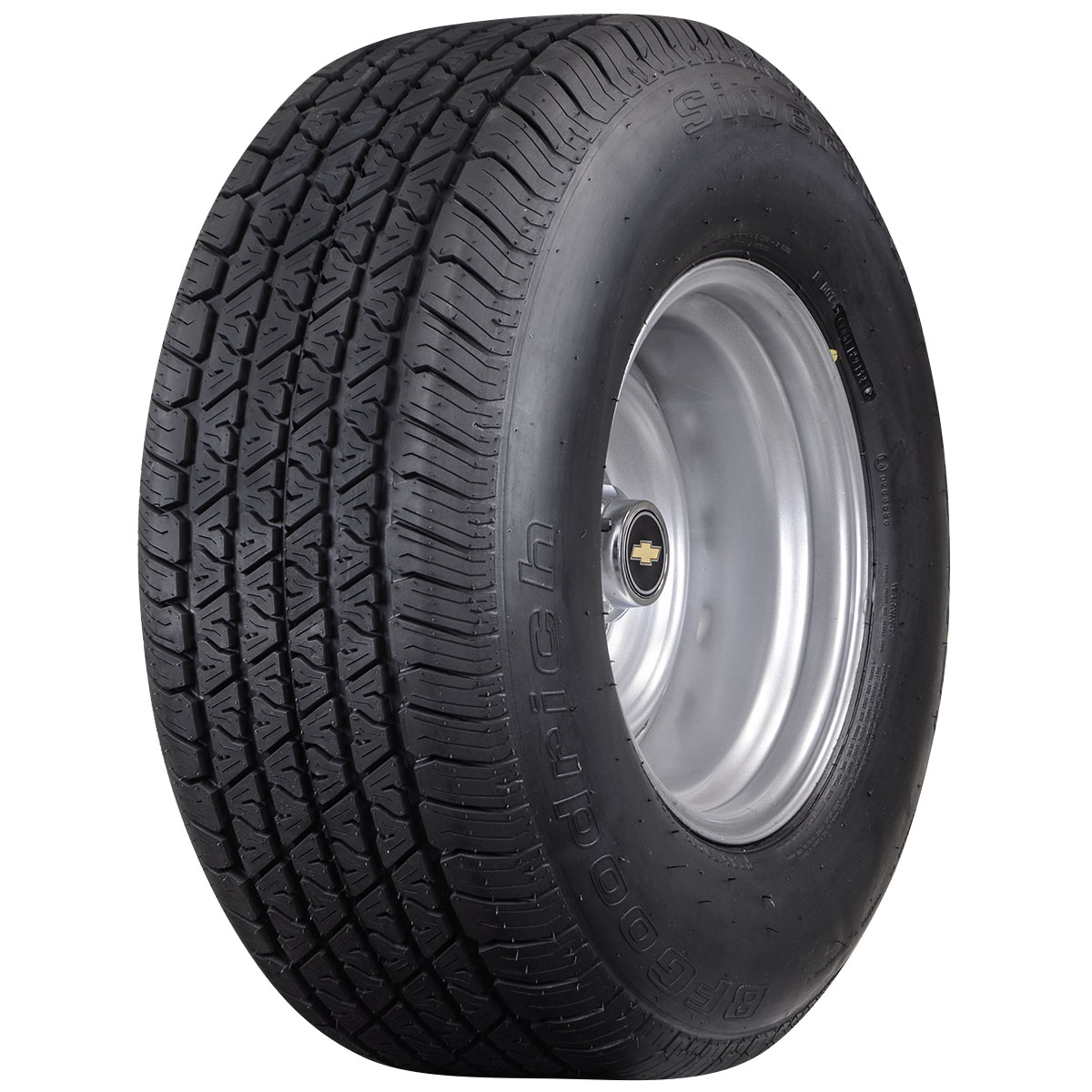


Tires for Street Rods, Hot Rods & Customs
It's entirely possible that Coker Tire Company is as famous for hot rod tires as it is for authentic classic fitments. The iconic Firestone tires found on so many original hot rods from the late forties and fifties in vintage black and white photos are faithfully reproduced today. These tires absolutely make traditional hot rod builds look the part that they're built to play. Coker Tire offers hundreds of authentic tires and wheels for hot rods and street rods.
Be Original. Or Be Custom.
Shop online for tires, wheels and accessories or Contact a Tire Expert for assistance. If you're looking at an excellent example of a traditional hot rod, it's probably rolling on tires from Coker Tire Company, the world's leading supplier of collector tires and wheels.


Frequently Asked Questions
Fitment & Compatibility ▼
What role does overall diameter play in hot rod tire fitment? ▼
Overall diameter directly affects ride height, stance, and speedometer accuracy in hot rod applications. Taller tires increase ground clearance and create a traditional look, while shorter diameters lower the vehicle and can enhance a custom stance.
Changes in overall diameter also influence gearing characteristics. A larger diameter reduces engine RPM at cruising speeds, while a smaller diameter increases RPM and acceleration response. Builders must balance visual goals with functional impacts, especially when working with modified drivetrains or highway-driven street rods that require stable cruising behavior.
How do staggered tire setups affect hot rod fitment? ▼
Staggered setups involve different tire sizes between front and rear, often with narrower front tires and wider rear tires. This approach enhances visual rake and traction, especially in performance-oriented street rods.
Fitment requires careful attention to wheel width compatibility and suspension geometry. Rear clearance must accommodate increased section width, while front tires must maintain adequate steering clearance. Differences in overall diameter between front and rear can also influence handling balance and speedometer calibration.
What clearance factors matter most for lowered hot rod suspensions? ▼
Lowered suspensions reduce available clearance, making tire selection more sensitive to overall diameter and section width. Tire-to-fender clearance during suspension compression becomes a primary concern, particularly on vehicles with aggressive ride heights.
Steering clearance is equally important, as lowered geometry can alter tire travel paths. Builders must also consider frame and axle proximity, especially on early hot rod platforms. Proper fitment ensures that tires do not contact bodywork or suspension components under dynamic driving conditions.
Tire Construction ▼
What construction types are commonly used in hot rod and custom tires? ▼
Hot rod and custom tires are available in bias ply, radial, and bias look radial constructions. Bias ply tires reflect traditional construction methods, while radial tires provide improved drivability and stability for modern use.
Bias look radial tires combine the visual characteristics of bias ply with the internal structure of radials. This hybrid approach allows builders to maintain period-correct appearance while benefiting from modern performance traits, making it a popular option for street-driven custom builds.
What advantages do radial tires offer for custom street rods? ▼
Radial tires provide improved stability, longer tread life, and a more consistent contact patch compared to bias ply options. Sidewall stiffness enhances handling predictability, making radial tires well suited for highway driving and daily use.
Radials also offer better heat dissipation, reducing wear during extended driving. Load rating and speed rating tend to be more accommodating for modern driving conditions. For street rods that see frequent road use, radial construction delivers a balance of comfort, durability, and performance.
How do bias look radial tires combine styling and performance? ▼
Bias look radial tires are designed to replicate the visual proportions of bias ply tires while incorporating radial construction internally. This allows builders to maintain period-correct aesthetics without sacrificing modern drivability.
The sidewall profile mimics traditional shapes, while the internal radial structure improves stability and reduces heat buildup. This construction is particularly useful for custom builds that prioritize appearance but still require reliable highway performance and predictable handling characteristics.
Performance & Durability ▼
How does tire construction influence handling characteristics? ▼
Construction type directly impacts handling behavior. Bias ply tires tend to have a smaller, shifting contact patch, which affects cornering stability and steering response.
Radial tires maintain a more consistent contact patch, improving grip and predictability. Handling differences become more noticeable at higher speeds or during aggressive driving, making construction choice an important factor in performance expectations.
What impact does inflation pressure have on performance? ▼
Inflation pressure plays a significant role in how hot rod tires perform. Underinflation can lead to excessive heat buildup and uneven wear, while overinflation reduces contact patch and ride comfort.
Bias ply tires are particularly sensitive to pressure changes, requiring careful monitoring. Radial tires are more forgiving but still benefit from proper inflation. Maintaining correct pressure ensures consistent handling, durability, and safety.
How durable are hot rod tires under regular street use? ▼
Durability varies based on construction type and usage patterns. Radial tires typically offer longer tread life and better resistance to wear under regular driving conditions.
Bias ply tires may wear more quickly, especially if used extensively on highways. Proper maintenance, including inflation checks and alignment, plays a key role in extending durability. Selecting the right construction ensures that tires meet expected usage demands.
Appearance, Styling & Authenticity ▼
What visual styles are common in hot rod and custom tires? ▼
Hot rod tires feature a range of visual styles, including blackwall, wide whitewall, and double whitewall designs. These styles reflect historical trends from the 1940s and 1950s hot rod era.
Sidewall styling plays a major role in defining the overall look of a build. Blackwalls emphasize performance-oriented aesthetics, while whitewalls highlight classic elegance. Selection depends on the intended theme and era of the vehicle.
What defines an authentic hot rod tire appearance? ▼
Authentic hot rod tire appearance is defined by tall sidewalls, narrow section widths, and period-correct sidewall treatments. These elements reflect the original builds seen in mid-century hot rod culture.
Maintaining authenticity often involves selecting bias ply or bias look radial tires. Sidewall lettering and proportions should align with historical references to achieve a cohesive and accurate visual presentation.
How do period-correct tires enhance overall build authenticity? ▼
Period-correct tires align with historical design cues, reinforcing the authenticity of a hot rod build. Features such as sidewall styling, construction type, and overall proportions contribute to a cohesive look.
Using historically accurate tires enhances the visual narrative of the vehicle. Authentic details create a stronger connection to the era being represented, making the build more compelling and visually consistent.
Installation, Maintenance & Longevity ▼
How important is proper inflation for hot rod tires? ▼
Proper inflation is critical for maintaining performance and safety. Incorrect pressure can lead to uneven wear, reduced handling, and increased heat buildup.
Bias ply tires require more precise pressure management, while radial tires offer slightly more flexibility. Regular pressure checks help maintain optimal performance and extend tire life.
How should hot rod tires be stored during long periods of inactivity? ▼
Proper storage involves keeping tires in a cool, dry environment away from direct sunlight. Reducing exposure to temperature fluctuations helps preserve rubber integrity.
Elevating the vehicle or using tire supports can prevent flat spotting. Maintaining correct inflation during storage also helps retain shape and performance.
What installation considerations apply to wire wheels and specialty wheels? ▼
Wire wheels and specialty wheels require careful mounting to avoid damage. Ensuring proper alignment and balancing is essential for smooth operation.
Compatibility between tire bead and wheel design must be verified. Professional installation is often recommended to achieve optimal results and prevent issues.