
Valve Stems

Valve Stems
Whether you're getting a new set of wheels, restoring an old set or mounting new tires, we have valve stems to get your project done right. Need more than a new set of valve stems? We carry thousands of wheels, tires and accessories and can help get your project rolling.
-
 Rubber Base Brass Stem TR383$23.00
-
 Rubber Valve Stem 0.875"$3.00
-
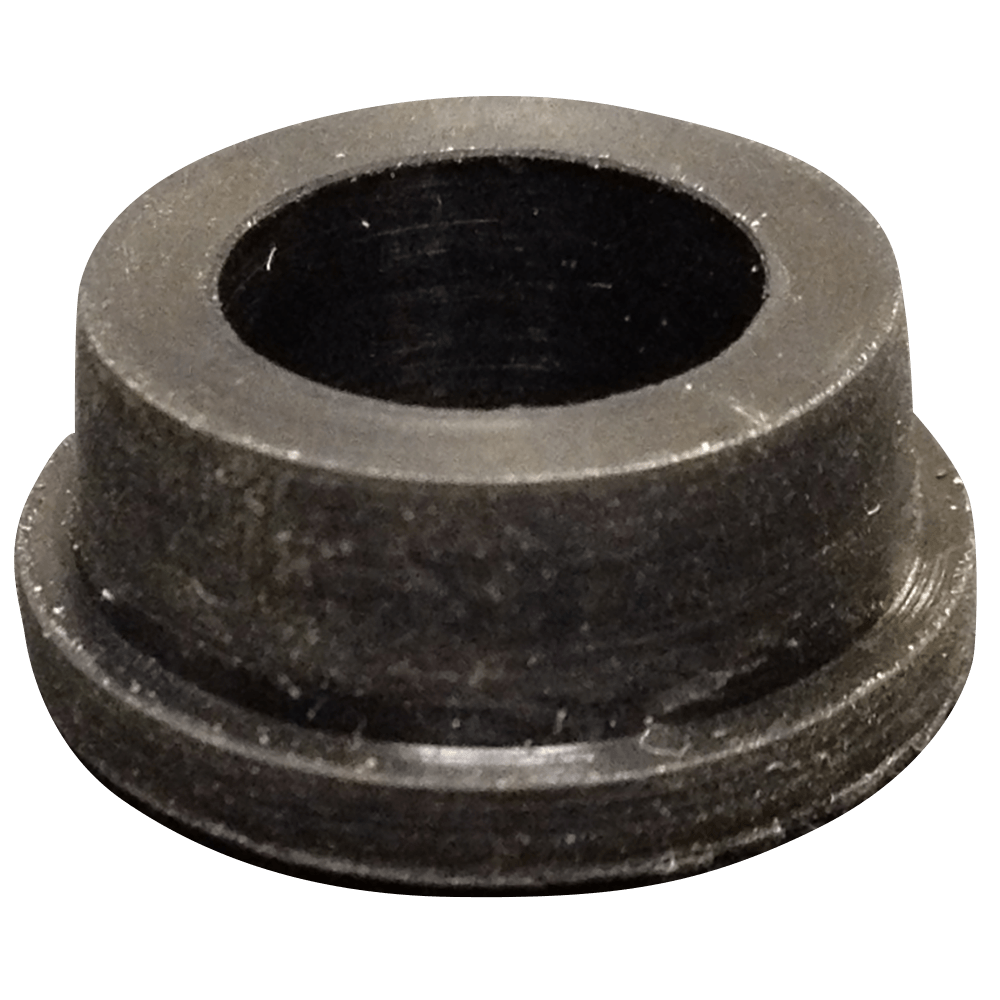 Valve Stem Grommet$4.00


Valve Stems
Frequently Asked Questions
Identity & Purpose ▼
What types of valve stems are available in the valve stems category for vintage and classic vehicles? ▼
The valve stems category includes rubber snap-in stems, chrome-sleeved rubber stems, and full metal valve stems with lock nuts. Rubber stems are typically used for standard steel wheels and everyday driving, offering flexibility and easy installation. Chrome-sleeved versions add a more finished appearance while retaining rubber sealing.
Metal valve stems, including bent designs for specific vehicles like classic Cadillacs, are used where durability and precise fitment matter. These often require a mounting hole and hardware tightening rather than snap-on fitment. The variety ensures compatibility with different wheel diameters, styles, and restoration needs, from factory-correct builds to custom applications.
What is the purpose of chrome-sleeved valve stems in classic wheel setups? ▼
Chrome-sleeved valve stems combine the flexibility of rubber stems with an upgraded visual finish. The chrome outer sleeve enhances the appearance of the wheel, especially on restored vehicles where detail matters. This makes them a popular choice for show-quality builds or vehicles with visible wheel openings.
Functionally, they still operate like standard rubber snap-in valve stems, offering easy installation and reliable sealing. However, care must be taken during installation to avoid scratching the chrome surface. They provide a balance between practicality and aesthetics, making them suitable for enthusiasts who want both performance and visual appeal.
How do bent metal valve stems improve usability on certain classic vehicles? ▼
Bent metal valve stems are designed to improve accessibility in tight wheel designs or vehicles with limited clearance. On certain classic cars, such as large luxury models, straight stems may be difficult to reach for inflation. A bent design angles the valve outward for easier access.
These stems are also helpful when wheel covers or trim restrict access to the valve area. However, proper alignment during installation is critical to avoid interference with brake components or wheel hardware. When correctly positioned, bent valve stems enhance usability without compromising sealing or durability.
Appearance & Styling ▼
How does valve stem length and shape influence the appearance of a wheel setup? ▼
Valve stem length and shape can subtly impact the visual balance of a wheel. Short valve stems offer a cleaner, less intrusive look, especially on smaller diameter wheels. Longer or bent stems are more visible but can be necessary for accessibility depending on wheel design.
Bent stems may stand out more but are often required for functional reasons. The key is balancing usability with appearance. On show cars, shorter or chrome-finished stems are often preferred, while daily-driven vehicles may prioritize ease of access over visual minimalism.
Can valve stems be used as a subtle customization detail on classic vehicles? ▼
Valve stems can serve as a subtle customization element, especially when coordinating finishes across the wheel assembly. Chrome or polished metal stems can add a refined touch without overwhelming the overall design. This is particularly effective on restomod builds.
While they are not a primary styling component, their visibility increases on certain wheel designs. Choosing the right style and finish allows enthusiasts to enhance detail without compromising functionality. Attention to small components like valve stems often distinguishes a well-executed build from an average one.
Fitment & Compatibility ▼
How do I choose the correct valve stem size for my classic car wheels? ▼
Valve stem size is determined by the diameter of the wheel’s valve hole, commonly measured in fractions such as 7/8 inch for certain rubber stems. Ensuring the correct size is critical for achieving a proper seal and preventing air leaks. Incorrect sizing can lead to loose fitment or installation difficulty.
Older wheels may have slight variations due to wear or manufacturing differences, so measuring the valve hole is recommended. Snap-on rubber stems rely on tight tolerance for sealing, while metal stems use grommets and hardware to accommodate minor variations. Choosing the correct size ensures reliable performance.
Will valve stems fit both steel wheels and aftermarket wheels on vintage vehicles? ▼
Most valve stems are compatible with both steel and aftermarket wheels, but the mounting method differs. Rubber snap-in stems are commonly used on steel wheels due to their ease of installation. Metal valve stems are often preferred for custom or high-performance wheels.
Aftermarket wheels may have different valve hole specifications, so compatibility should be verified. Metal stems with lock nuts provide flexibility for various wheel types but require proper installation. Understanding your wheel design helps ensure the valve stem fits securely and functions correctly.
Do valve stems interfere with trim rings, hubcaps, or brake components on classic cars? ▼
Valve stems can interfere with trim rings or hubcaps if the length or angle is not appropriate. Bent stems are often used to improve clearance and accessibility, especially on wheels with full covers. Ensuring proper positioning helps avoid contact during installation or driving.
Brake component clearance is another consideration, particularly on vehicles with tight wheel spacing. Incorrect stem placement can lead to interference or damage. Checking clearance before final installation helps prevent issues and ensures safe operation under real-world conditions.
Can older wheels with worn valve holes affect valve stem fitment and sealing? ▼
Yes, older wheels can develop wear or slight deformation around the valve hole, which affects fitment. This can lead to poor sealing with rubber snap-on stems, resulting in slow leaks. Metal valve stems with grommets can help compensate for these irregularities.
Inspecting the wheel before installation is important to ensure a proper fit. In some cases, additional sealing measures or replacement components may be needed. Addressing these issues early helps maintain consistent tire pressure and prevents ongoing maintenance problems.
Materials, Quality & Construction ▼
How does chrome plating on valve stems perform over time? ▼
Chrome plating provides a bright, polished appearance but requires careful handling to maintain its finish. Over time, exposure to road debris, moisture, and cleaning chemicals can cause wear or minor corrosion if not properly maintained. High-quality plating offers better resistance.
During installation, tools can scratch the chrome surface if not used carefully. Regular cleaning with non-abrasive products helps preserve the finish. While chrome adds visual appeal, it requires more attention compared to raw or coated metal finishes.
Are rubber valve stems prone to cracking or failure over time? ▼
Rubber valve stems can degrade over time due to environmental factors such as heat, ozone, and UV exposure. This can lead to cracking, which compromises the seal and increases the risk of air loss. Regular inspection is important to identify early signs of wear.
For vehicles that are stored outdoors or driven frequently, replacement intervals may be shorter. Using high-quality rubber stems and avoiding harsh chemicals during cleaning can extend their lifespan. Monitoring condition ensures reliable performance and prevents unexpected failures.
Are nickel and brass valve stems better suited for long-term classic vehicle use? ▼
Nickel and brass valve stems are often preferred for long-term use due to their durability and resistance to corrosion. These materials withstand environmental exposure better than standard rubber, making them ideal for vehicles that are driven regularly or stored for extended periods.
They also maintain structural integrity over time, reducing the need for frequent replacement. However, proper sealing with grommets and correct installation are still necessary. Choosing these materials supports reliability and reduces maintenance concerns.
Installation and Guidance ▼
How are rubber valve stems installed on classic car wheels? ▼
Rubber valve stems are installed using a snap-on fitment method, where the stem is pulled through the wheel’s valve hole until it seats securely. This process relies on the elasticity of the rubber to create a tight seal. Proper lubrication may be used to ease installation.
Care must be taken to avoid tearing or damaging the stem during installation. Using the correct tools helps ensure a secure fit without stressing the material. Once installed, the stem should sit flush and provide consistent air retention.
What tools are needed to install metal valve stems with lock nuts? ▼
Installing metal valve stems requires basic hand tools such as a wrench to tighten the lock nut and ensure proper seating. The stem is inserted through the wheel hole, and the grommet is positioned to create a seal. The lock nut is then tightened to secure the assembly.
It is important not to overtighten, as this can damage the grommet or wheel surface. Proper alignment ensures the stem sits correctly without interfering with other components. Following correct installation steps ensures a reliable and leak-free setup.
What common mistakes should be avoided when installing valve stems on vintage wheels? ▼
Common mistakes include using the wrong size valve stem, improper seating, and over-tightening hardware. These issues can lead to leaks, damage, or reduced performance. Ensuring compatibility with the wheel is essential before installation.
Another common issue is neglecting to check clearance with trim rings or brake components. Misalignment can cause interference or wear over time. Following proper installation procedures helps avoid these problems and ensures reliable operation.
How do I check for proper sealing after installing valve stems? ▼
After installation, checking for proper sealing involves inflating the tire and inspecting for air leaks. This can be done using soapy water around the valve stem base to detect bubbles. A secure seal should show no signs of leakage.
Regular monitoring after installation helps identify any issues early. Ensuring the valve core is properly tightened also contributes to sealing performance. Proper checks confirm that the installation was successful and that the system is functioning correctly.