
Valve Stem Hardware

Valve Stem Hardware
Coker Tire Company is the world leader in tires and wheels for collector tires and wheels. Our Tire & Wheel Experts can help you sort through the intricate and sometimes overwhelming task of restoring an older vehicle, when it comes to mounting the correct tires and wheels. Our inventory includes hundreds of specific application valve stems and valve stem hardware including brass and nickel dust covers for antique car and truck applications. While there isn't always a shop manual for antique vehicles, the Tire & Wheel Experts at Coker Tire Company are your next best bet. When it comes to wheels, tires and hardware for your antique vehicle, start your search at Coker Tire Company.
-
 Brass Locknut$14.00
-
 Nickel Locknut$14.00
-
 Nickel Nut | 1.125 Inch Tall$16.00
-
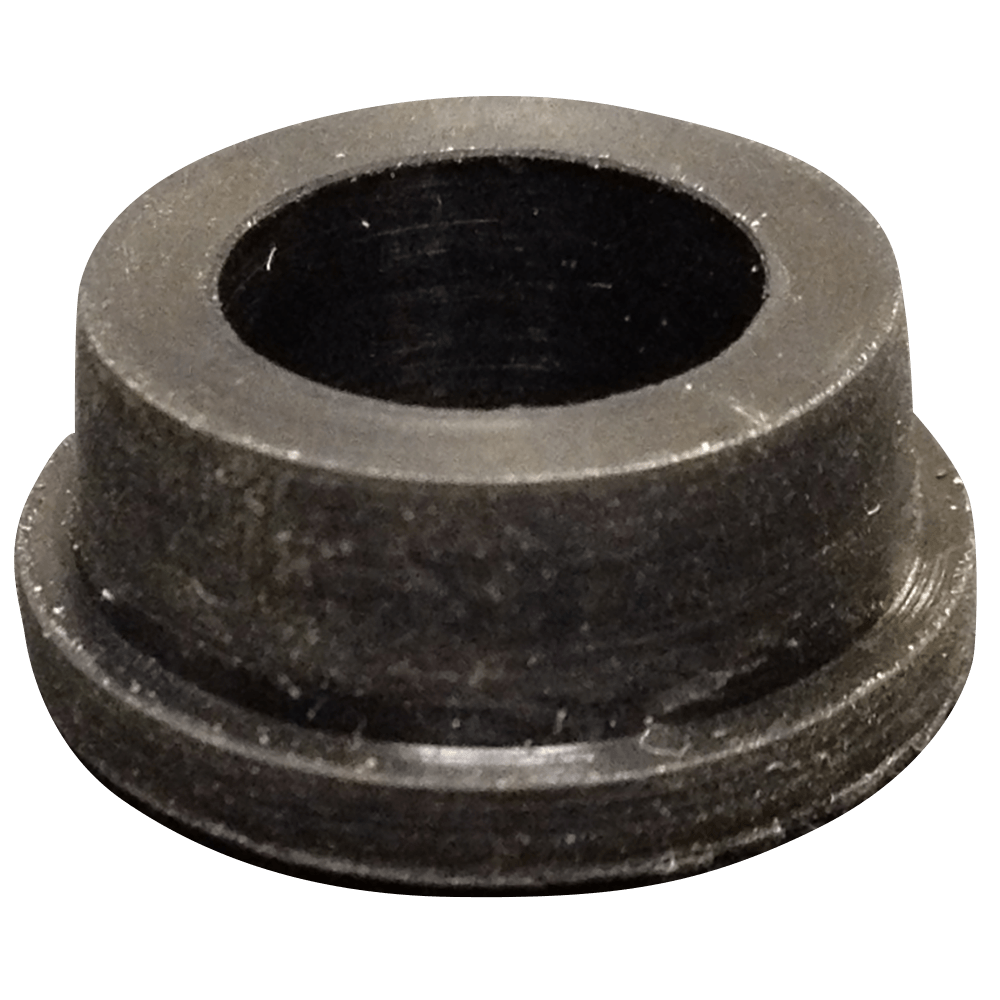 Valve Stem Grommet$4.00


Coker Tire Company is the world leader in tires and wheels for collector tires and wheels. Our Tire & Wheel Experts can help you sort through the intricate and sometimes overwhelming task of restoring an older vehicle, when it comes to mounting the correct tires and wheels. Our inventory includes hundreds of specific application valve stems and valve stem hardware including brass and nickel dust covers for antique car and truck applications. While there isn't always a shop manual for antique vehicles, the Tire & Wheel Experts at Coker Tire Company are your next best bet. When it comes to wheels, tires and hardware for your antique vehicle, start your search at Coker Tire Company.
Frequently Asked Questions
Identity & Purpose ▼
What types of valve stem hardware are included in this valve stem hardware category? ▼
This valve stem hardware category includes reducer nuts, locknuts, dust covers, grommets, and specialty valve caps. Each component serves a specific purpose, from sealing the valve stem opening to protecting the valve core. Variations exist for different wheel types such as wire wheels and wood wheels, which require different mounting hardware configurations.
Dust covers are available in different heights and styles, including sliding and fixed designs. Valve caps may include integrated tools like core removers, adding functional value. Together, these components form a complete system that supports both the mechanical integrity and visual detail of vintage wheel setups.
Why are dust covers an important part of valve stem hardware for classic vehicles? ▼
Dust covers protect the valve core from contamination, which can lead to slow leaks or failure over time. Exposure to moisture, road debris, and environmental conditions increases the risk of corrosion inside the valve stem, especially on vehicles that are driven regularly or stored outdoors.
In addition to protection, dust covers contribute to the visual finish of the wheel. Taller covers and period-correct designs in brass or nickel enhance authenticity. Choosing the correct height and style ensures proper clearance and maintains a consistent look across all wheels.
What role do valve stem grommets play in valve stem hardware performance? ▼
Valve stem grommets act as a sealing interface between the valve stem and the wheel opening. They help prevent air leakage by cushioning the contact point and compensating for minor irregularities in the wheel surface. This is especially important on older wheels where wear or corrosion may affect fitment.
Grommets also protect the valve stem from metal-on-metal contact, reducing the risk of damage over time. Proper installation ensures consistent pressure retention and minimizes the chance of vibration or rattling caused by loose or poorly seated components.
When should valve stem hardware be replaced during a restoration or tire change? ▼
Valve stem hardware should be replaced whenever tires are changed or when restoring wheels. Over time, components can wear, corrode, or lose their sealing effectiveness. Reusing old hardware increases the risk of air leaks and reduced reliability.
Replacing hardware during installation also ensures compatibility with modern valve stems and updated mounting methods. This is particularly important for older vehicles where original parts may no longer meet current performance expectations.
Appearance & Styling ▼
What is the difference between brass and nickel finishes in valve stem hardware? ▼
Brass finishes offer a warm, vintage appearance commonly associated with early automotive designs. They are often used on antique cars and trucks where originality is a priority. Over time, brass develops a patina that some restorers value for authenticity.
Nickel finishes provide a brighter, more polished look and offer improved corrosion resistance. They are often preferred for vehicles that are driven regularly or exposed to moisture. Choosing between the two depends on whether the focus is on period-correct appearance or long-term durability.
Are sliding dust covers a visual or functional upgrade in valve stem hardware? ▼
Sliding dust covers offer both visual and functional benefits. Visually, they provide a clean and streamlined look while still maintaining a period-appropriate design. Functionally, they allow easier access to the valve stem without fully removing the cover.
This design reduces the risk of losing the cap and minimizes wear on threads. However, proper fitment is important to prevent looseness that could lead to vibration or rattling during driving.
How does finish wear over time affect the appearance of valve stem hardware? ▼
Finish wear can occur due to exposure to moisture, cleaning chemicals, and road debris. Brass may develop a patina, while nickel finishes may dull or show signs of corrosion if not properly maintained.
Regular cleaning and proper product selection help preserve the finish. Avoiding harsh chemicals reduces the risk of surface damage and keeps the hardware looking consistent with the rest of the wheel components.
Fitment & Compatibility ▼
How do I know which valve stem hardware fits my specific wheel type? ▼
Selecting the correct valve stem hardware depends on the wheel type, such as wire wheels, wood wheels, or steel wheels. Each type has different mounting requirements, including hole size and stem angle, which determine the appropriate hardware.
Checking compatibility ensures proper sealing and retention. Older wheels may have variations in fit tolerance, so choosing hardware designed for the specific application helps avoid installation issues and ensures reliable performance.
Can valve stem hardware fit older wheels with worn or uneven valve stem holes? ▼
Older wheels may have wear or corrosion around the valve stem hole, which can affect fitment. Grommets and properly sized hardware help compensate for minor irregularities and ensure a secure seal.
However, excessive damage may require repair before installation. Ensuring a proper seating surface improves reliability and reduces the risk of air leaks.
Materials, Quality & Construction ▼
How does nickel plating improve valve stem hardware durability? ▼
Nickel plating creates a protective layer that resists corrosion and wear. This is especially beneficial for vehicles exposed to moisture or varying weather conditions.
The plating also enhances appearance, maintaining a bright finish over time. Proper care helps extend the lifespan of nickel-plated components and preserves their visual appeal.
Can cleaning products damage valve stem hardware finishes? ▼
Certain cleaning products can damage finishes, especially harsh chemicals or abrasive cleaners. These can cause discoloration or surface wear on brass and nickel components.
Using gentle cleaning solutions helps preserve the finish and maintain appearance. Proper care ensures long-term durability and visual consistency.
Installation and Guidance ▼
How is valve stem hardware installed on vintage wheels? ▼
Installation involves inserting the valve stem through the wheel opening and securing it with grommets, locknuts, and reducer nuts as needed. Proper alignment ensures a tight seal and prevents air leaks.
Care must be taken to avoid scratching finishes during installation. Using appropriate tools and techniques helps protect both the hardware and the wheel surface.
Do valve stem hardware components require special tools for installation? ▼
Most valve stem hardware can be installed using basic hand tools. However, some components like locknuts may require specific wrenches for proper tightening.
Using the correct tools ensures secure installation and prevents damage. Avoid overtightening, which can affect sealing and component integrity.
What are common mistakes when installing valve stem hardware? ▼
Common mistakes include using incompatible components, improper tightening, and ignoring clearance issues. These can lead to leaks, vibration, or damage.
Ensuring correct fitment and following proper installation steps helps avoid these problems. Double-checking compatibility improves overall performance.
Can valve stem hardware be reused during tire changes? ▼
Reusing hardware is not recommended if components show signs of wear or corrosion. Old hardware may not provide a reliable seal.
Replacing hardware during tire changes ensures optimal performance and reduces the risk of future issues. New components provide better reliability.