
Tube Liners

Tube Liners
Many spoke wheels need a flap, rim strip or tube liner to protect the inner tube from the uneven, irregular surface where the spokes are mounted into the hub of the wheel. There are many designs of spoke wheels, tubes and flaps.
-
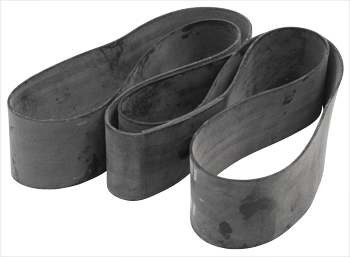 15 Inch Rim Strip$3.00
-
 15 x 7 Inch Flap$50.00
-
 16 Inch Rim Strip$2.00
-
 16 x 7 Inch Flap$52.00
-
 17 x 7 Inch Flap$50.00
-
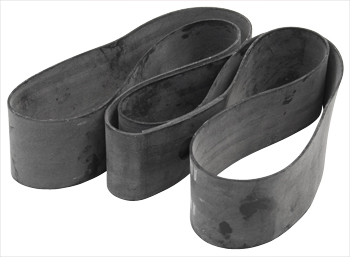 17 | 21 Inch Rim Strip$2.00
-
 20 x 8 Inch Flap$51.00
-
 22 x 5 Inch Flap$50.00
-
 22 x 8 Inch Flap$52.00
-
 24 x 4 Inch Flap$50.00
-
 24 x 8 Inch Flap$50.00

Don't Forget Tube Liners !
Frequently Asked Questions
Identity & Purpose ▼
What do tube liners do on spoke wheels and do I need tube liners for my setup? ▼
Tube liners act as a protective barrier between the inner tube and the interior surface of a wheel, especially on spoke wheels where the spoke ends create uneven contact points. Without a tube liner, the inner tube can rub against these irregular surfaces, increasing the risk of abrasion, punctures, or premature failure during driving.
If your vehicle uses wire or spoke wheels with an inner tube setup, tube liners are typically required for safe operation. They are especially important for vintage, motorcycle, and specialty wheels where the inner structure is not smooth like modern tubeless rims. For standard steel wheels without exposed spoke ends, tube liners may not be necessary.
What is the difference between tube liners, rim strips, and flaps in tire accessories? ▼
Tube liners, rim strips, and flaps all serve similar protective purposes but differ in design and coverage. Rim strips are generally narrower and cover the center section of the wheel where spoke nipples or holes are located, while flaps provide wider coverage and often wrap further along the inner surface.
Flaps or tube liners are typically used in heavier-duty or larger diameter applications where additional protection is needed. Choosing between them depends on wheel design, diameter, and tube size. For spoke wheels with pronounced internal irregularities, a flap-style tube liner provides more comprehensive coverage and protection than a basic rim strip.
Why are different tube liner sizes like 15 inch, 16 inch, or 22 inch important? ▼
Tube liner sizing directly corresponds to the wheel diameter and width, ensuring proper coverage and fitment. A correctly sized tube liner will align with the internal dimensions of the wheel and protect the entire contact area where the tube rests.
Using an incorrect size can lead to exposed areas or bunching inside the tire, both of which increase the risk of tube damage. Larger diameters like 22 inch or 26 inch are common for trucks or specialty vehicles, while smaller sizes like 15 inch or 16 inch are typical for passenger cars. Proper sizing ensures even protection and reduces movement inside the tire assembly.
Fitment & Compatibility ▼
How do I choose the correct tube liner size for my wheel diameter and width? ▼
Selecting the correct tube liner size requires matching both the wheel diameter and width. The liner should correspond to the labeled size, such as 15 inch or 22 inch, and also align with the tire and tube dimensions.
A liner that is too small will not provide full coverage, while one that is too large may bunch up inside the tire. This can lead to uneven pressure and potential tube damage. Proper sizing ensures consistent protection and secure placement within the tire assembly.
Are tube liners compatible with both radial and bias ply tires? ▼
Tube liners are compatible with both radial and bias ply tires as long as the correct size and application are used. Their function is independent of tire construction and focuses on protecting the inner tube.
However, radial and bias ply tires may have different internal profiles, so proper liner selection is important for optimal fit. Ensuring compatibility with the specific tire type helps maintain consistent performance and durability.
Can tube liners be reused when replacing tires or inner tubes? ▼
Tube liners can sometimes be reused if they remain in good condition, but careful inspection is required. Any signs of wear, cracking, or deformation indicate the need for replacement.
Reusing a damaged liner can compromise the protection of the new tube. Given their role in preventing failures, replacing liners during tire or tube changes is often recommended for reliability.
Materials, Quality & Construction ▼
What materials are tube liners typically made from and how durable are they? ▼
Tube liners are typically made from durable rubber compounds designed to withstand friction, heat, and pressure inside the tire. These materials are engineered to resist abrasion from spoke ends and irregular surfaces.
High-quality liners maintain flexibility over time, which helps them conform to the wheel interior. Durability depends on material quality and usage conditions, but well-made liners can provide long-lasting protection when properly installed.
What are the signs of a worn or failing tube liner? ▼
Signs of a worn tube liner include cracking, thinning, deformation, or visible wear patterns. These indicate that the liner may no longer provide adequate protection for the inner tube.
In some cases, uneven wear or displacement inside the tire can also signal issues. Regular inspection during tire servicing helps identify these problems early and prevents potential tube failure.
Are there differences in construction between heavy-duty flaps and standard rim strips? ▼
Yes, heavy-duty flaps are typically thicker and provide broader coverage compared to standard rim strips. They are designed for larger wheels or more demanding applications.
Rim strips are lighter and focus on covering the central portion of the wheel. Choosing between them depends on the level of protection required and the specific wheel design.
Installation and Guidance ▼
How do I install tube liners correctly inside a spoke wheel? ▼
Installing a tube liner involves positioning it evenly along the inner surface of the wheel before inserting the inner tube. The liner should sit flat without folds or overlaps.
Proper alignment with the valve stem hole is essential. Ensuring the liner is centered and smooth helps prevent pressure points and ensures consistent protection during use.
What tools or preparation are needed before installing tube liners? ▼
Basic tools include tire irons and a clean working surface. Preparing the wheel by cleaning the interior surface is important to remove debris or sharp edges.
A clean installation environment reduces the risk of contamination and ensures proper liner placement. Taking time to prepare improves overall installation quality.
Can improper installation of tube liners damage inner tubes? ▼
Yes, improper installation can lead to folds, misalignment, or uneven coverage, which can damage the inner tube. These issues create pressure points and increase friction.
Careful placement and alignment are critical for preventing these problems. Ensuring the liner sits evenly helps protect the tube during operation.
How do I prevent tube liners from shifting or bunching during installation? ▼
To prevent shifting, the liner should be carefully positioned and checked before inserting the tube. Ensuring proper size and alignment helps maintain stability.
Applying even pressure during installation and avoiding twists or folds reduces the risk of movement. Proper technique ensures consistent placement.