
Firestone Wide Oval

FEATURED NEW PRODUCTS




-
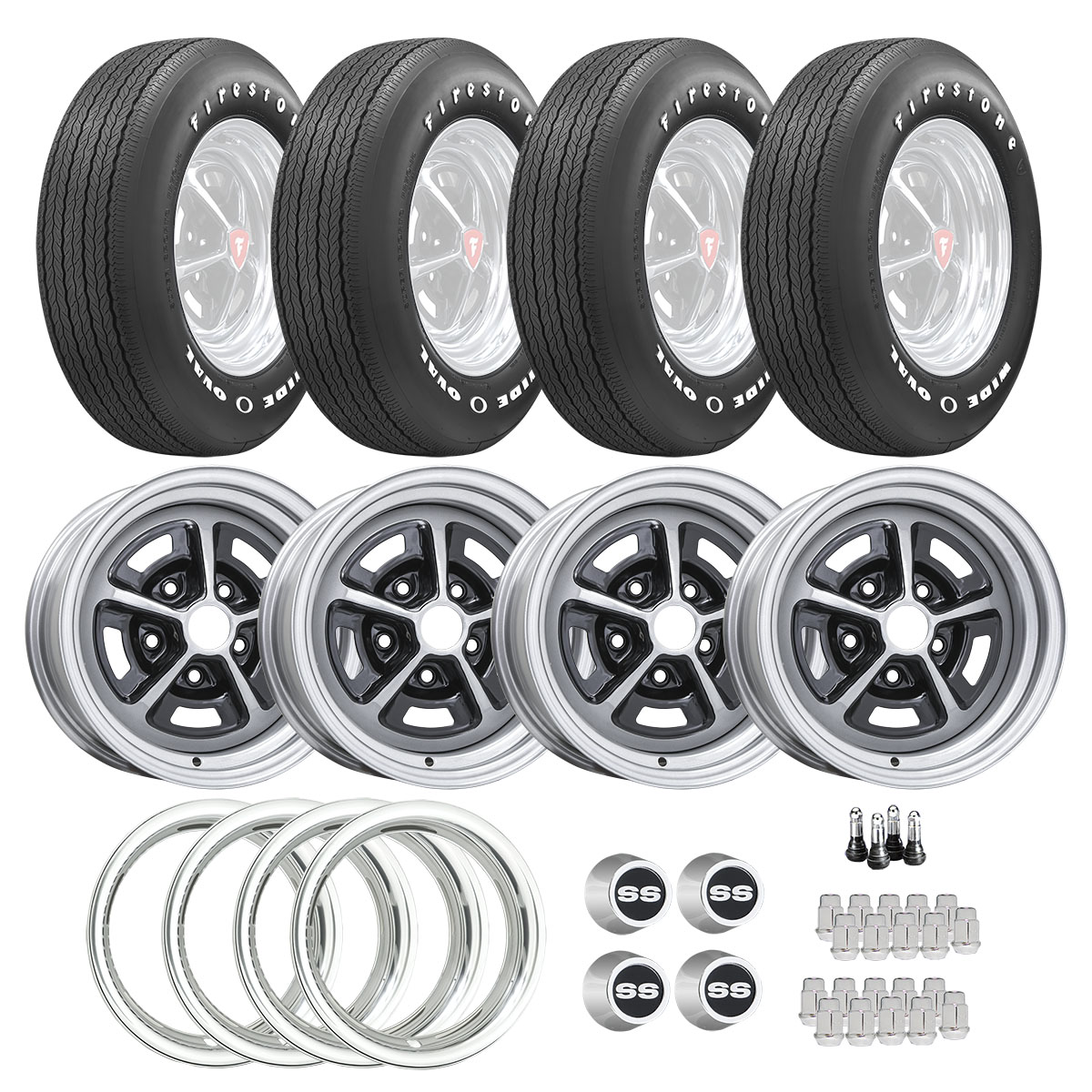 1968-70 Chevelle FR70-14 RWL SS Package$3,032.00
-
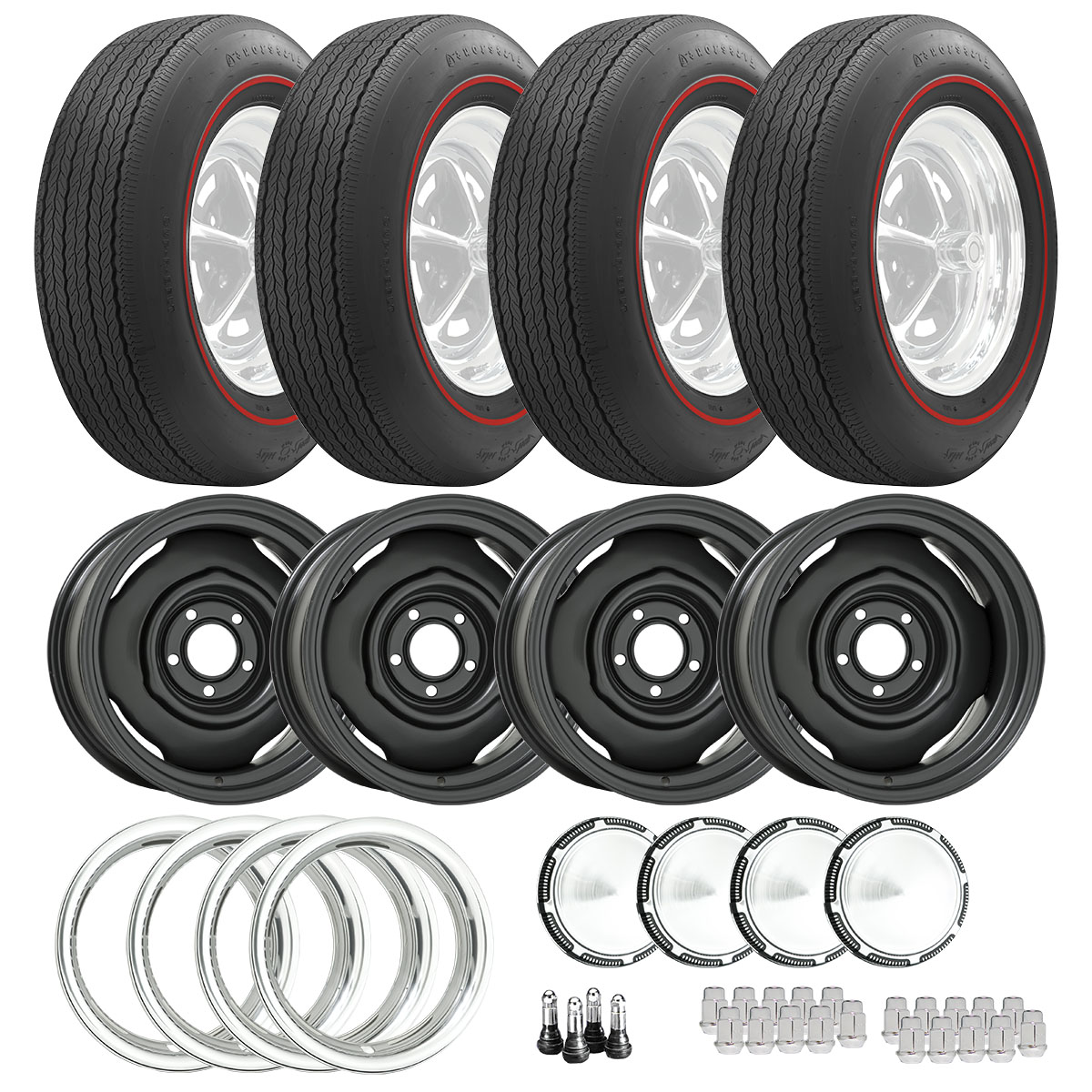
 1970-74 Challenger Firestone Wide Oval Radial FR60/LR60 RWL MOPAR Rallye Tire/Wheel Package
From $3,270.00
To $3,328.00




Firestone Wide Oval Tires
The broad-shouldered cars of the late 1960s and early 1970s were in an arms race. Style and horsepower were just as important as reputations on the race track. In the fierce battle for sales, the muscle cars and sports cars of the era added more and more sport into their offerings. The raised white letter bias ply tires of the time have become synonymous with the cars.
Such legendary marques as the Firestone Wide Oval offered by Coker Tire Company, define one of the fastest growing segments of collector cars today. Accurately restored muscle cars have been setting records at the auction block in recent years. Correct wheels and tires are absolutely critical to an accurate restoration project and nobody has a better selection of authentic raised white letter tires than Coker Tire Company.
Frequently Asked Questions
Brand Identity & Legacy ▼
How is Firestone recognized among classic car enthusiasts? ▼
Among collectors and restorers, Firestone is synonymous with reliability, performance, and period accuracy. The Wide Oval line, in particular, is noted for its broad-shouldered appearance and raised white letters, which evoke the muscle car era. Enthusiasts appreciate the brand’s consistent quality and historical relevance across multiple vehicle categories.
Firestone’s reputation is reinforced through decades of presence in racing and performance contexts. Its visibility in classic car events and auctions strengthens trust and desirability among buyers who prioritize authenticity. Choosing Firestone Wide Oval tires signals commitment to both driving performance and historical fidelity.
What era of vehicles is Firestone Wide Oval associated with? ▼
Firestone Wide Oval tires are most closely associated with late 1960s and early 1970s American muscle cars, including prominent GM, Ford, and Mopar models. This period marked a peak in horsepower competition and styling differentiation, with tires serving as both functional and aesthetic components.
Collectors and restorers focus on this era because it represents a turning point in automotive performance and culture. Using Firestone Wide Oval tires ensures that a restored or preserved vehicle maintains accurate historical context, from sidewall design to tread appearance.
Appearance & Styling ▼
What defines the visual style of Firestone Wide Oval tires? ▼
Firestone Wide Oval tires are defined by their broad shoulder profile and raised white letters or redline accents. These sidewall features create a bold, period-correct look that complements muscle cars and classic sports cars.
The sidewall profile is designed to visually fill the wheel well and enhance the vehicle’s stance. Collectors value this styling because it reflects factory-era aesthetics while conveying performance intent.
Driving Experience, Performance & Construction ▼
How does radial vs bias construction affect handling? ▼
Radial Firestone Wide Oval tires offer superior heat dissipation, tread longevity, and cornering stability. Bias ply options retain original ride characteristics, with a slightly softer feel and increased sidewall flex.
Collectors select construction type based on restoration goals. Radials suit daily driving and restomod projects, while bias ply is preferred for concours-level authenticity.
How durable are Firestone Wide Oval tires? ▼
Durability depends on construction type and maintenance. Radial tires typically offer longer tread life and improved wear patterns. Bias ply tires provide authentic ride but may wear faster under heavy use.
Proper inflation and alignment maintain consistent performance. Firestone combines historical design with modern engineering to offer longevity without compromising period authenticity.
Vehicle Applications ▼
What vehicles commonly use Firestone Wide Oval tires? ▼
Firestone Wide Oval tires are most commonly found on late 1960s and early 1970s American muscle cars, including GM, Ford, and Mopar models. They also appear on classic sports cars and vintage coupes of the era.
Collectors choose these tires for both visual accuracy and functional performance, ensuring that restorations maintain authentic proportions and handling.
Are Firestone Wide Oval tires suitable for muscle car restorations? ▼
Yes, Firestone Wide Oval tires are a standard choice for muscle car restorations. The raised white letters and broad shoulders complement factory styling, enhancing authenticity.
The combination of period-correct aesthetics and modern radial options supports both show and driving applications, making them versatile for restoration projects.
Can classic trucks use Firestone Wide Oval tires? ▼
Classic trucks, particularly late 1960s pickups and sport trucks, benefit from Firestone Wide Oval tires for both style and load support. The tires’ construction accommodates vehicle weight while preserving vintage appearance.
Collectors seeking historically accurate restorations often select RWL or redline options to maintain proper visual proportion and curb appeal.
What role do Firestone Wide Oval tires tires play in auction-quality restorations? ▼
Firestone Wide Oval tires are often required for concours-quality restorations. Their period-accurate sidewall styling and broad shoulder profile maintain the car’s original visual and performance intent.
Using these tires ensures that vehicles meet collector expectations for both authenticity and handling, which can positively influence auction results.
Maintenance & Ownership ▼
How long do Firestone Wide Oval tires last? ▼
Tire longevity depends on construction type, usage, and maintenance. Radial tires generally offer extended tread life and even wear patterns, while bias ply versions provide authentic ride feel with slightly reduced longevity.
Regular rotation, proper inflation, and alignment help maintain consistent performance. Collectors value the combination of period styling and modern durability in radial options.
Do Firestone Wide Oval tires require special storage? ▼
Yes, tires should be stored in a cool, dry environment away from direct sunlight and ozone sources. Proper storage preserves rubber compounds, sidewall flexibility, and raised letter integrity, particularly for bias ply options.
Rotation of stock and use of tire covers can extend lifespan, ensuring that vehicles remain show-ready and driveable.
How durable are radials vs bias ply for daily driving? ▼
Radial Firestone Wide Oval tires offer greater durability, heat dissipation, and tread stability, making them suitable for regular driving. Bias ply tires retain authentic handling characteristics but require more cautious operation to prevent excessive wear.
Collectors balance these traits when choosing construction type, prioritizing daily usability or period authenticity based on project goals.