
Phoenix Drag Tires

Phoenix Drag Tires
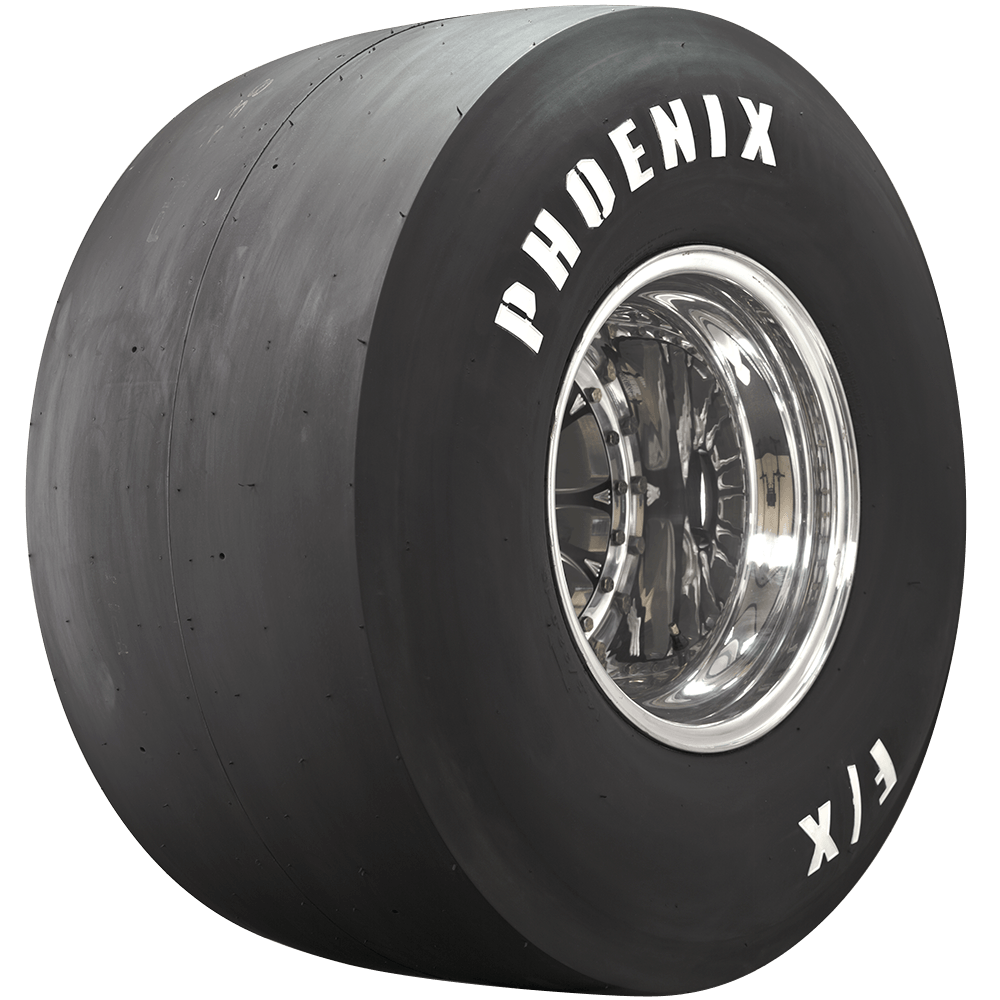
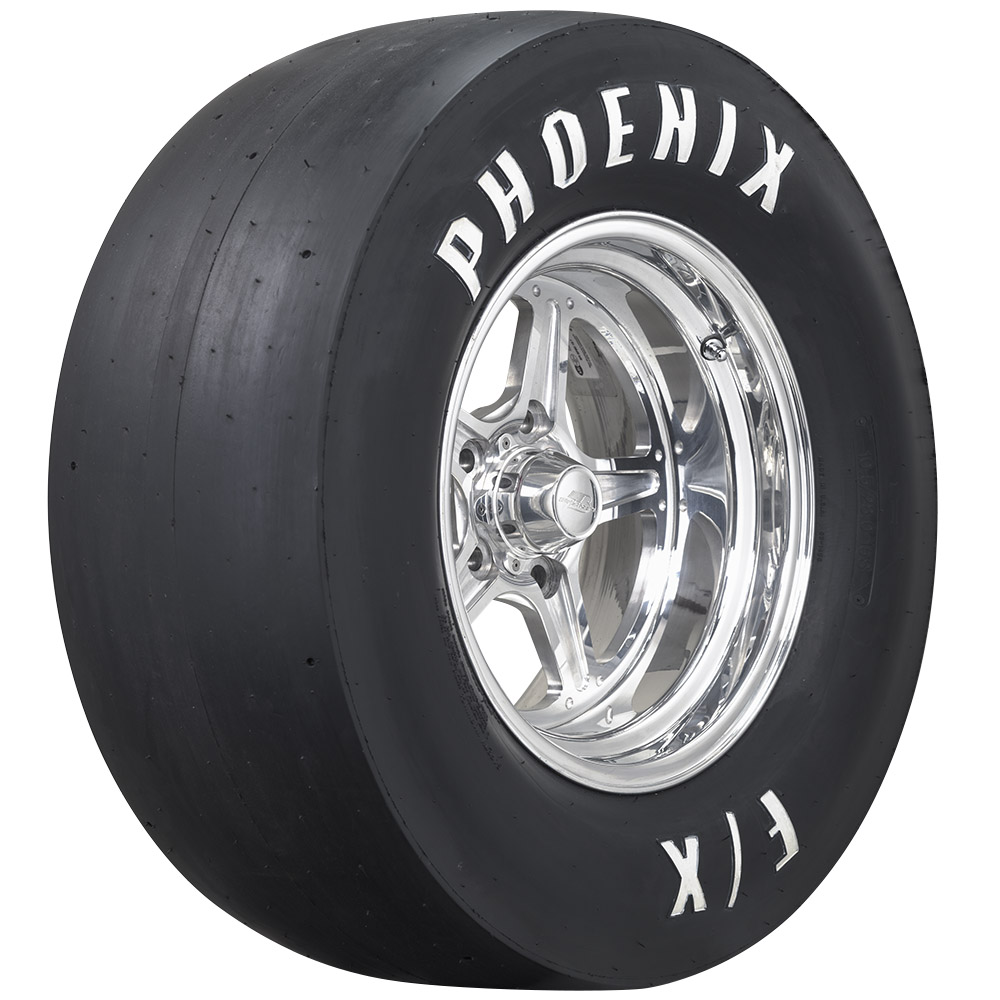
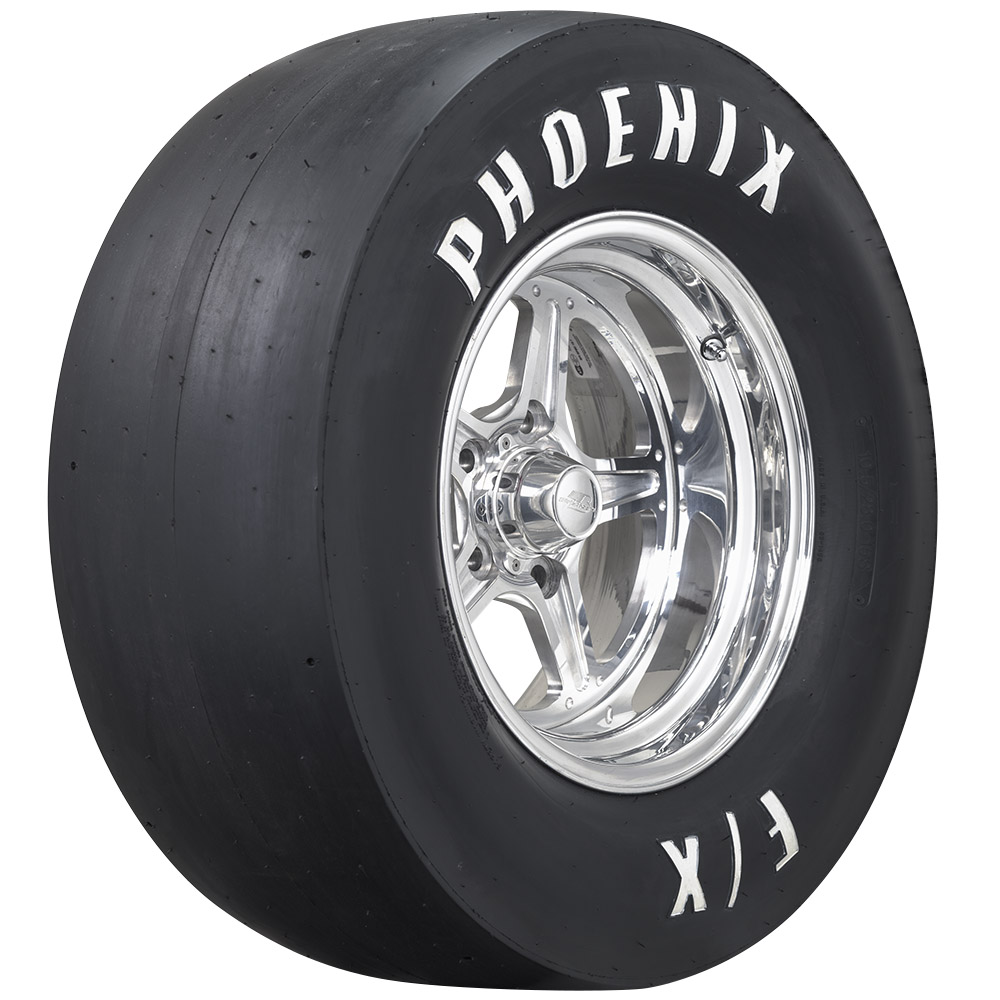
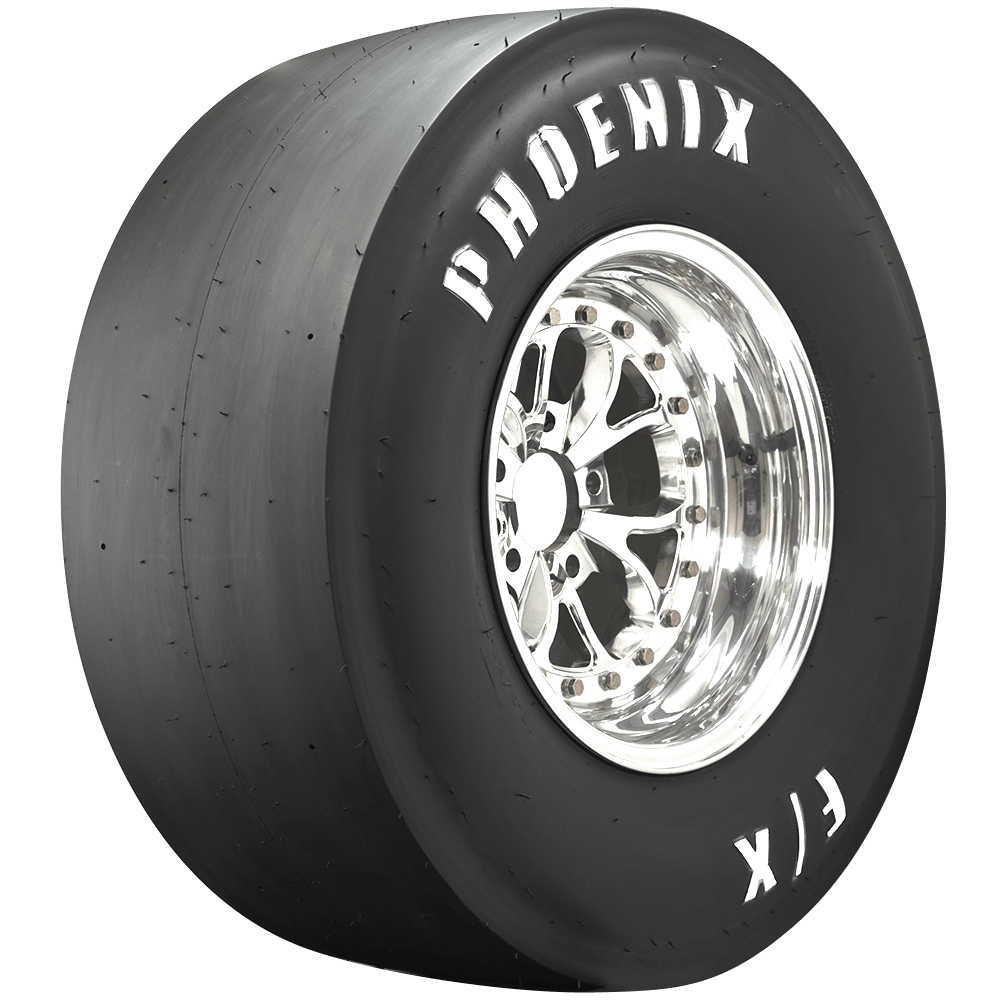
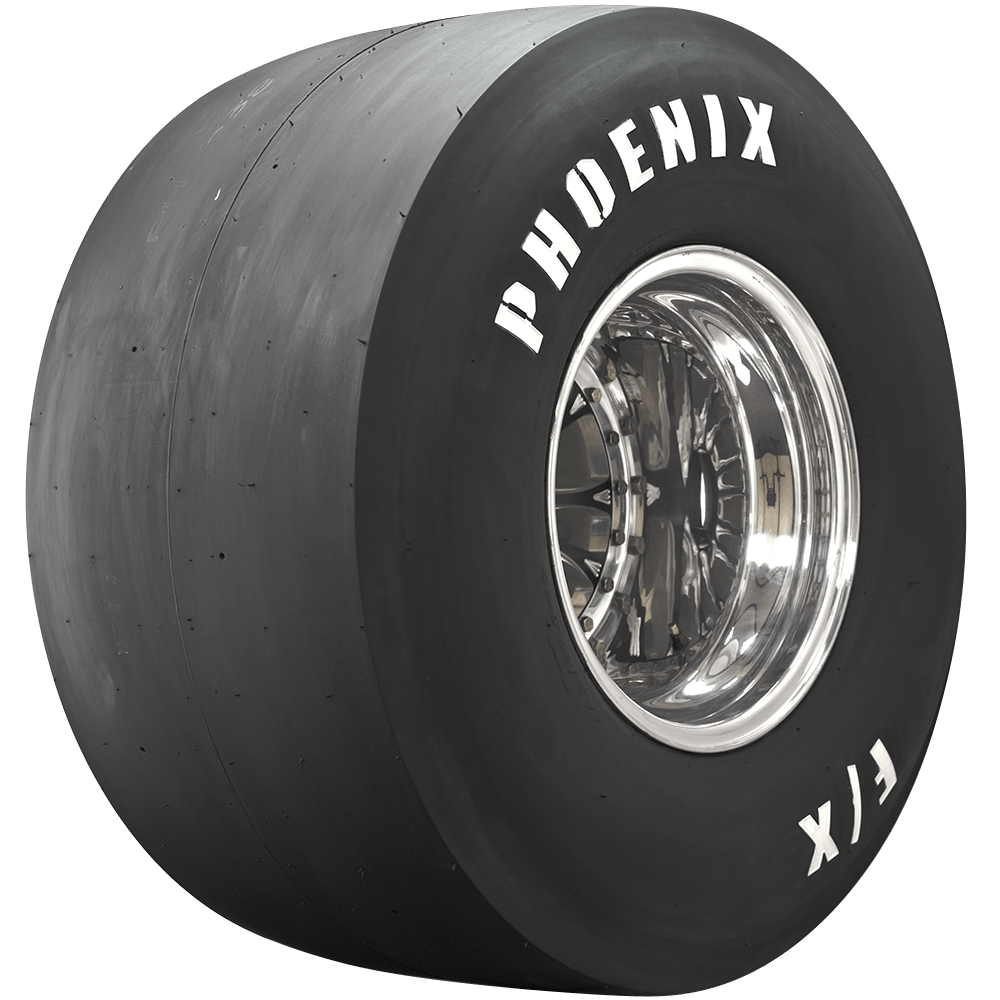
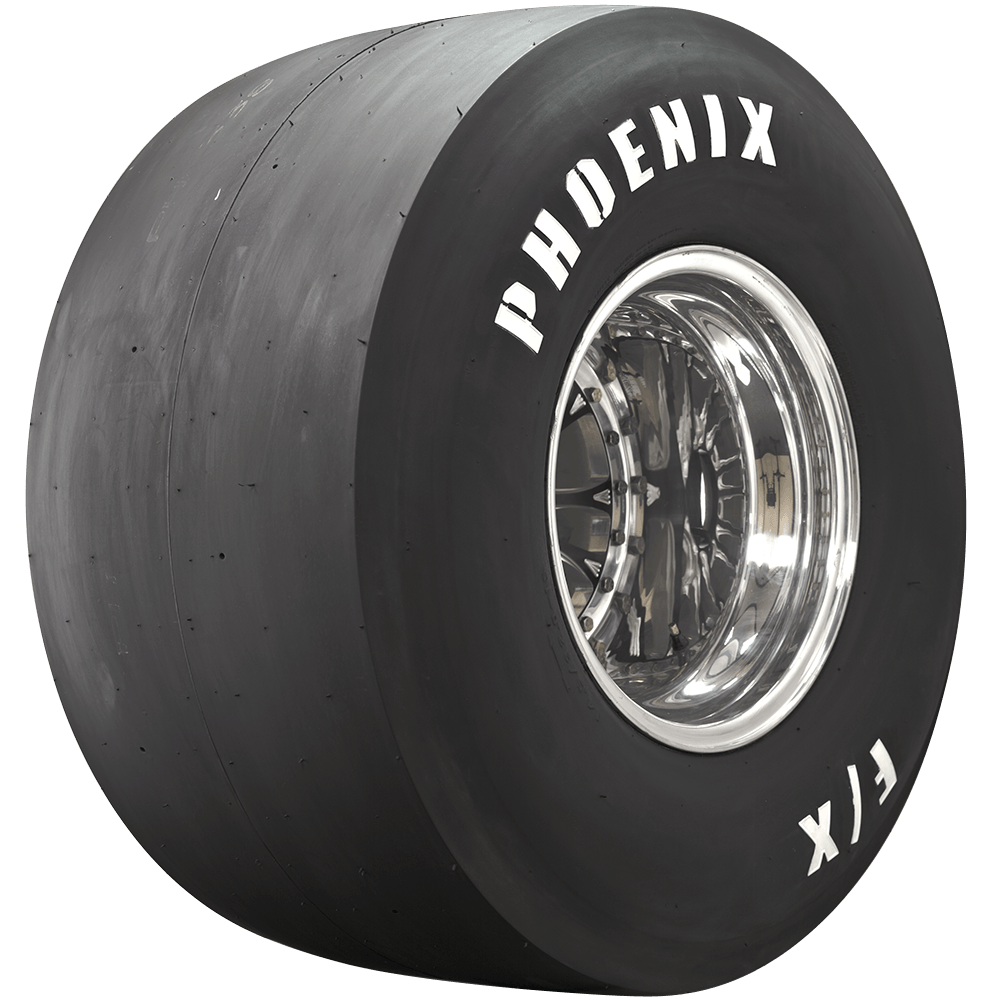
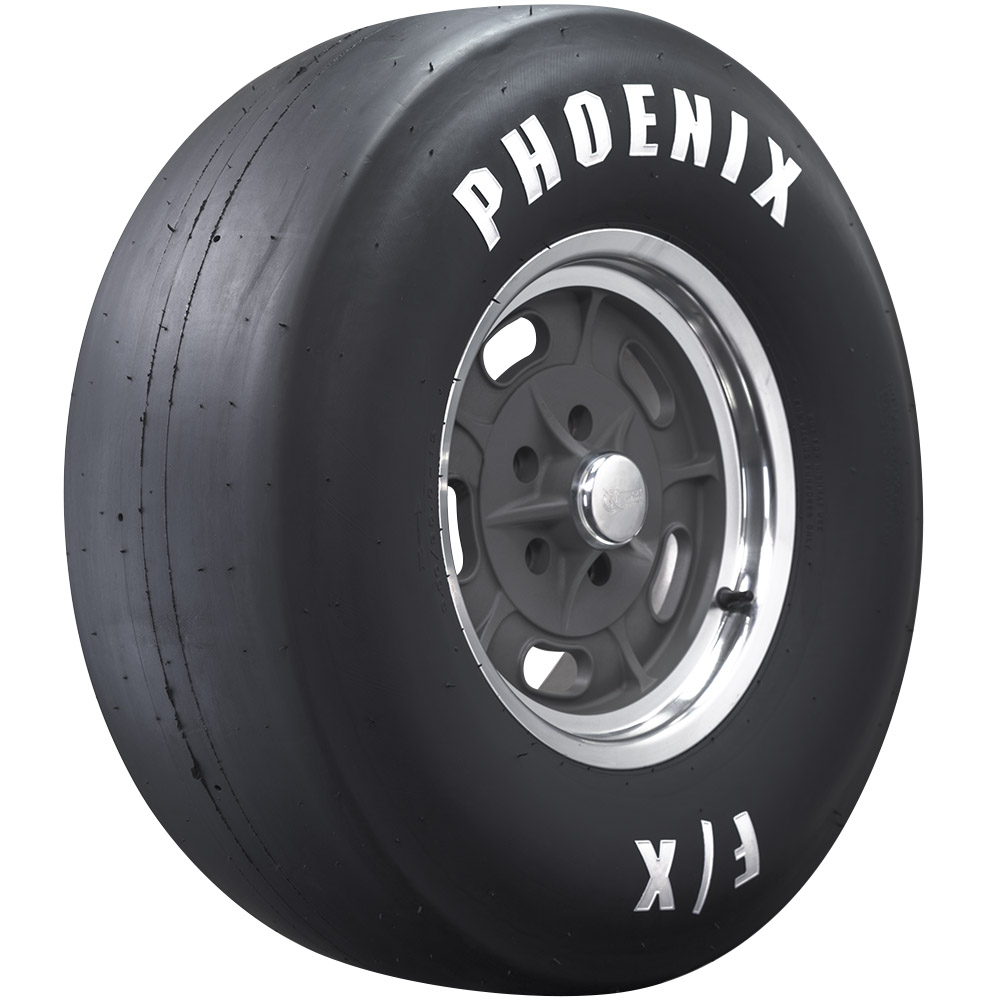
Phoenix Drag Race tires feature the very compound that made these tires champions at the track. Made in the USA and proven winners, Phoenix slicks and front runners are available from the world's leading supplier of collector tires and wheels. Born of Firestone heritage, Phoenix drag race tires are available in many sizes for the front and rear of modern and nostalgia drag cars. With popular compounds and a wide variety of fitments, the Phoenix product line is a great choice for Sportsman drag racers who are looking for the extra edge on the competition. Phoenix offers drag slicks in bias ply and radial construction, as well as DOT approved front runners to fit 15- and 17-" wheels. Phoenix drag race tires are made in the USA, and provide big time traction for bracket racers, including door slammers and dragsters, as well as the wheels up world of NHRA Super Stock drag racing.

A Winner Reborn
Got a question about size or compound? Contact a Tire Expert now.
Frequently Asked Questions
Brand Identity & Legacy ▼
What are Phoenix drag race tires known for? ▼
Phoenix drag race tires occupy an important role in grassroots and Sportsman drag racing culture. Many racers competing in bracket racing, NHRA Sportsman classes, and nostalgia drag racing look for tires that deliver consistent traction run after run. Phoenix tires are known within these communities for providing reliable launch behavior that helps drivers maintain predictable elapsed times across multiple passes.
In modern drag racing culture, consistency often matters more than absolute speed. Phoenix drag race tires are widely discussed among racers who focus on repeatable performance rather than experimental setups. Their reputation for dependable traction compounds and durable construction makes them a common topic in drag racing forums and trackside conversations where racers share setup advice and tire performance observations.
Appearance & Styling ▼
Why does sidewall stiffness matter on Phoenix drag tires? ▼
Sidewall stiffness is an important visual and functional characteristic of drag racing tires. Racers often evaluate the sidewall design because it influences how the tire behaves during launch. Some Phoenix drag slicks feature reinforced or stiffer sidewalls designed to maintain stability under high horsepower conditions.
This sidewall design can affect how the tire squats and transfers torque during acceleration. A well balanced sidewall profile helps maintain a stable contact patch while preventing excessive tire distortion. For experienced racers, examining the sidewall construction provides insight into how a tire may perform under different vehicle setups and track conditions.
Driving Experience, Performance & Construction ▼
What is the difference between Phoenix bias ply and radial drag tires? ▼
Phoenix offers both bias ply and radial drag racing tires, each with different performance characteristics. Bias ply construction typically features layered cords arranged diagonally across the tire structure. This design often allows greater sidewall flex, which can help absorb torque during launch and maintain traction on certain vehicle setups.
Radial construction uses cords arranged perpendicular to the direction of travel, which stabilizes the tread area and reduces distortion at higher speeds. This structure can improve tread stability and reduce rolling resistance during the run. Racers choose between these constructions depending on suspension design, power delivery, and the traction characteristics they prefer.
Why is sidewall flexibility important in drag racing tires? ▼
Sidewall flexibility helps drag racing tires manage the sudden torque applied during launch. When a high horsepower vehicle accelerates from a standstill, the tire must absorb and distribute that force across the contact patch. A flexible sidewall allows the tire to compress slightly and maintain traction rather than breaking loose.
This controlled deformation helps keep the tread surface planted on the track. By maintaining a stable contact patch, the tire can convert more engine power into forward motion. Phoenix drag race tires are engineered to balance sidewall flexibility with structural stability so that the tire performs consistently under repeated launches.
Vehicle Applications ▼
What types of vehicles commonly use Phoenix drag race tires? ▼
Phoenix drag race tires are commonly used on dedicated drag racing vehicles built for competitive acceleration. These include bracket racing cars, Sportsman class vehicles, and purpose built drag racing machines designed to perform on prepared track surfaces. Many racers select Phoenix tires because they provide traction characteristics suited for repeated drag strip launches.
The brand is also frequently seen on nostalgia drag racing vehicles and classic muscle cars converted for drag competition. These builds often require tires capable of handling significant horsepower while maintaining predictable traction. Phoenix drag race tires are therefore widely associated with vehicles designed specifically for straight line racing performance.
Are Phoenix drag race tires used on modern drag racing vehicles? ▼
Modern drag racing vehicles often use Phoenix drag race tires when racers prioritize traction consistency and reliable launch performance. Many contemporary drag racing builds feature extremely powerful engines that require tires capable of transferring large amounts of torque to the track surface.
Phoenix drag race tires are engineered with compounds and construction suitable for these conditions. Their traction focused design allows racers to manage high horsepower launches while maintaining stable contact with the track. This capability makes the tires relevant for both traditional and modern drag racing vehicle platforms.
Maintenance & Ownership ▼
How long do Phoenix drag race tires typically last? ▼
The lifespan of Phoenix drag race tires depends largely on how frequently the vehicle is raced and how aggressively the tires are used during launches. Drag racing tires are designed with soft traction compounds that prioritize grip rather than long tread longevity. As a result, their lifespan is measured in runs rather than traditional road mileage.
Racers often monitor tire wear by observing changes in traction performance and surface condition. Over time, repeated burnouts and launches gradually reduce compound effectiveness. Maintaining proper storage conditions and monitoring tire pressure can help extend usable performance during the racing season.
Why is tire pressure important with Phoenix drag race tires? ▼
Tire pressure plays a critical role in how drag racing tires perform during launches. Adjusting pressure changes the size and shape of the tire’s contact patch, which directly influences traction. Racers often fine tune tire pressure to match track conditions, vehicle weight, and suspension setup.
Lower pressures can increase the contact patch and improve traction, but they must be balanced carefully to maintain stability. Too little pressure can lead to excessive sidewall movement, while too much pressure can reduce grip. Proper pressure management helps Phoenix drag race tires deliver consistent performance during racing.