
Center Caps

Filter By
Center Caps
Along with the world's largest selection of collector vehicle wheels and tires, Coker Tire Company offers hundreds of center caps in popular styles and sizes. Shop original equipment styles and custom designs for hot rods and street rods. We also offers several trim rings in bright stainless steel.
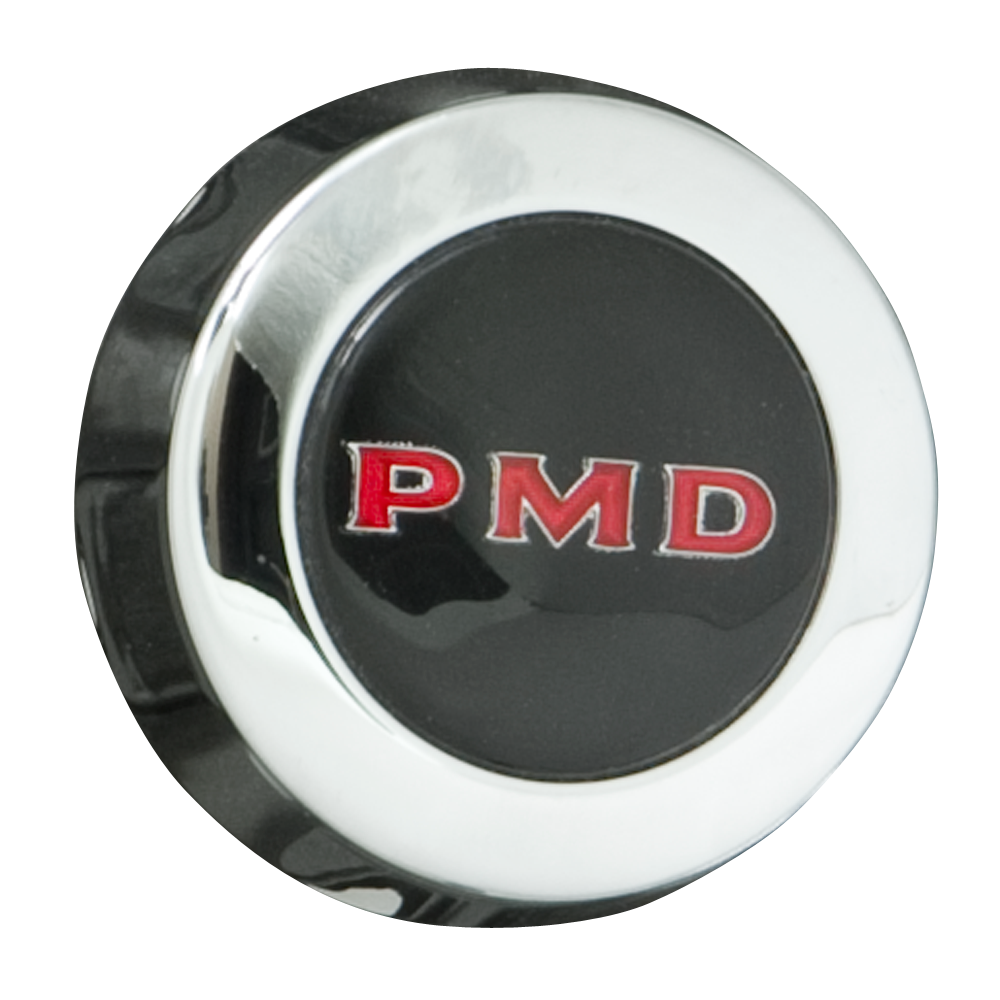
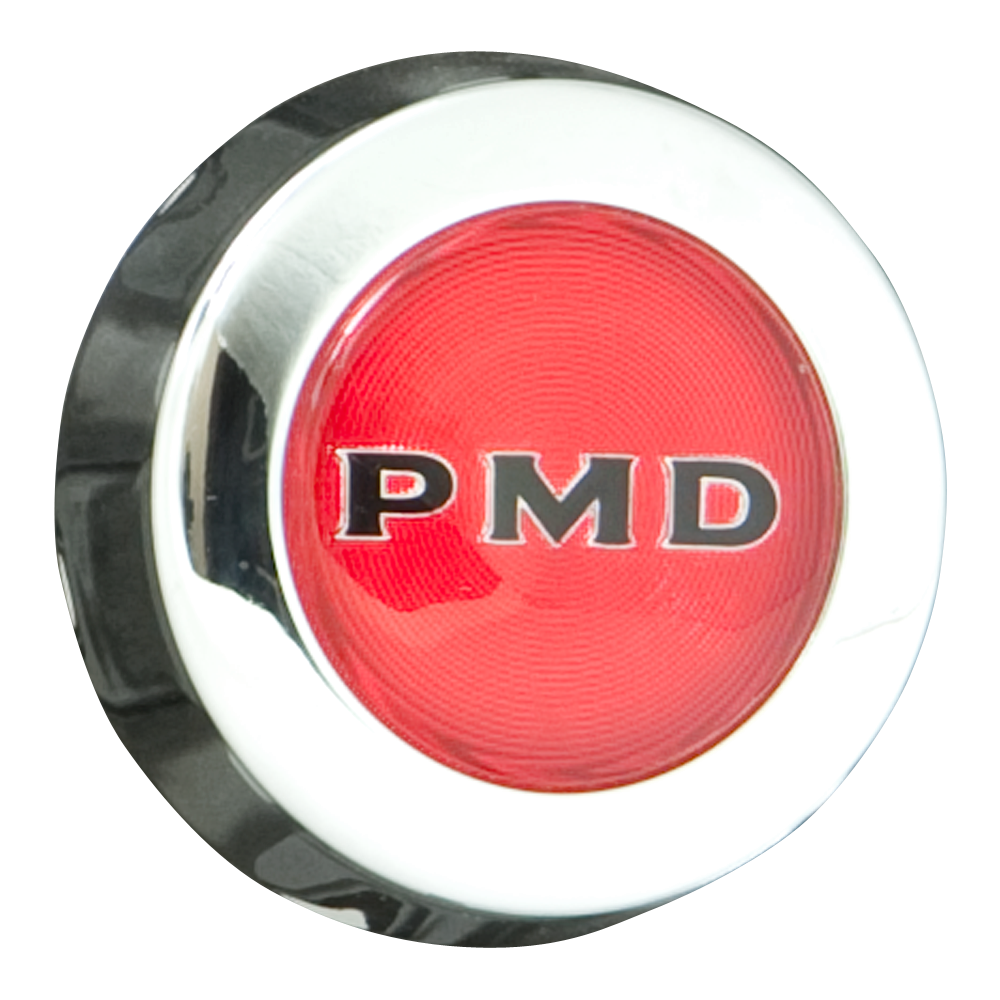
Cap It Off Right
Frequently Asked Questions
Identity & Purpose ▼
What do Center Caps do on classic and collector vehicle wheels, and will Center Caps work for my setup? ▼
Center Caps are designed to cover the exposed hub area of a wheel, improving appearance while protecting internal components from dust, debris, and moisture. On classic and collector vehicles, they also play a key role in completing an authentic look, whether you are restoring a factory-correct setup or building a custom hot rod or street rod.
Most Center Caps will work if your wheel is designed to accept a cap with a matching back inside diameter and retention style. Since many listings specify measurements like 7.0 inch or 10.125 inch back I.D., verifying your wheel’s center opening is critical. Compatibility depends on proper sizing and whether your wheel supports snap-on or retained cap designs.
Why do Center Caps have different back inside diameter measurements and why does it matter? ▼
Back inside diameter measurements determine whether a Center Cap will physically fit into or over your wheel’s center opening. This dimension is critical because even small variations can result in loose fitment or inability to install the cap entirely.
For example, caps listed with 7.0 inch or 8.125 inch back I.D. must match your wheel opening closely. Older wheels may have slight manufacturing variations, so measuring your actual wheel is recommended. Proper sizing ensures secure retention, prevents rattling, and reduces the risk of caps dislodging at highway speeds.
What should first-time buyers know before choosing Center Caps for classic wheels? ▼
First-time buyers should focus on three key factors: correct diameter, mounting style, and intended use. Measuring the wheel’s center opening accurately is essential, as incorrect sizing is the most common issue leading to poor fitment or returns.
Additionally, consider how the vehicle is used. Daily-driven classics may benefit from secure snap-on or retained designs, while show cars can prioritize styling. It is also important to account for brake upgrades, as some Center Caps are specifically designed to clear disc brake components.
Appearance & Styling ▼
What are Baby Moon Center Caps and why are they popular on hot rods? ▼
Baby Moon Center Caps are smooth, dome-shaped caps that cover only the central portion of the wheel. They are widely used in hot rod and custom builds due to their clean, uncluttered appearance.
Their popularity comes from versatility and simplicity. They pair well with painted steel wheels and wide whitewall tires, creating a timeless custom look. Because they cover less surface area than full wheel covers, they also allow more of the wheel finish to remain visible, enhancing overall styling flexibility.
How do OE-style Center Caps improve period-correct restoration accuracy? ▼
OE-style Center Caps are designed to replicate original factory designs, including logos, sizing, and proportions. This makes them essential for restorations where authenticity is a priority.
Using correct caps ensures visual consistency with the era of the vehicle. For example, specific Ford or Chevrolet caps align with historical wheel designs and finishes. This attention to detail is especially important for show vehicles, judged restorations, or collectors who value originality over customization.
Can Center Caps be mixed with trim rings for a complete wheel look? ▼
Yes, Center Caps are often paired with trim rings to create a finished, cohesive wheel appearance. Trim rings enhance the outer edge of the wheel, while Center Caps define the middle.
This combination is common in both restoration and custom builds. Matching finishes, such as stainless steel or chrome plating, ensures visual consistency. However, proper sizing and compatibility must be confirmed to avoid interference between components.
Fitment & Compatibility ▼
How do I determine the correct Center Cap size for my wheel diameter and opening? ▼
To determine the correct Center Cap size, you must measure the wheel’s center opening, not the overall wheel diameter. This measurement should match the listed back inside diameter of the cap.
Using a tape measure or caliper, measure across the inner lip where the cap mounts. Even small differences can affect fitment. Always match this measurement to the product specification to ensure a secure snap-on fit and proper retention.
Will Center Caps fit stock steel wheels on classic cars and trucks? ▼
Most Center Caps are designed to fit steel wheels that include a provision for cap installation. However, not all stock wheels are identical, especially across different model years.
Fitment depends on whether the wheel has retention clips or a compatible mounting surface. Older wheels may also have slight variations in dimensions due to manufacturing tolerances, so measuring before purchasing is strongly recommended.
Are Center Caps compatible with disc brake conversions on vintage vehicles? ▼
Some Center Caps are specifically designed to clear disc brake components, while others may interfere due to limited internal depth. Disc brake caps are typically labeled to indicate this compatibility.
If your vehicle has been upgraded from drum to disc brakes, always verify clearance before purchasing. Insufficient clearance can prevent installation or cause contact with brake components, leading to noise or damage.
What clearance issues should I check before installing Center Caps? ▼
Before installation, check for clearance around brake components, grease caps, and hub protrusions. Insufficient internal depth can prevent proper seating of the cap.
Also consider wheel balance weights and any modifications that may interfere with fitment. Verifying these factors helps avoid installation issues and ensures the cap sits flush without causing vibration or damage.
Materials, Quality & Construction ▼
What materials are commonly used in Center Caps and how do they perform over time? ▼
Center Caps are typically made from stainless steel or steel with chrome plating. Stainless steel offers strong corrosion resistance and maintains its finish with minimal maintenance.
Chrome-plated caps provide a brighter appearance but may require more care to prevent surface degradation. Both materials are durable when properly maintained, but environmental exposure plays a significant role in long-term performance.
How does stainless steel construction benefit Center Cap durability? ▼
Stainless steel is naturally resistant to rust and corrosion, making it well-suited for vehicles exposed to varying weather conditions. It also resists minor scratches better than softer finishes.
This makes stainless steel Center Caps a practical choice for regularly driven classics. They require less frequent polishing and maintain a consistent appearance over time, even with exposure to moisture and road debris.
What are the advantages and drawbacks of chrome-plated Center Caps? ▼
Chrome plating offers a highly reflective finish that enhances visual appeal, especially for show vehicles. It creates a polished look that complements many classic styles.
However, chrome can be more sensitive to environmental factors. Moisture exposure and improper cleaning products can lead to pitting or dullness. Regular maintenance is required to preserve its appearance and prevent long-term damage.
Installation and Guidance ▼
How are Center Caps installed on classic vehicle wheels? ▼
Most Center Caps are installed using a snap-on method or by engaging retention clips. The cap is aligned with the wheel center and pressed into place until secure.
It is important to apply even pressure during installation to avoid bending or damaging the cap. Ensuring proper alignment helps achieve a snug fit and prevents movement during driving.
Do I need special tools to install Center Caps safely? ▼
In most cases, no special tools are required. However, using a soft cloth or rubber mallet can help apply even pressure without damaging the finish.
Avoid using metal tools, as they can scratch or dent the cap. Proper technique is more important than tools when ensuring a secure and clean installation.
How can I avoid scratching the finish during Center Cap installation? ▼
To prevent scratching, always clean both the wheel and the cap before installation. Dirt or debris can cause surface damage when pressure is applied.
Using a soft cloth between your hand and the cap can also reduce the risk of scratches. Avoid forcing the cap into place, as this can damage both the finish and the retention clips.
How do I remove Center Caps without damaging the wheel or paint? ▼
Center Caps should be removed carefully using gentle, even pressure. If necessary, use a plastic trim tool to pry the cap loose without scratching the surface.
Avoid using sharp or metal tools, as they can damage both the cap and the wheel finish. Taking your time during removal helps prevent unnecessary wear.
How should Center Caps be cleaned and maintained after installation? ▼
Center Caps should be cleaned using mild, non-abrasive products to preserve the finish. Harsh chemicals can damage chrome plating or dull stainless steel.
Drying the caps after cleaning helps prevent water spots and corrosion. Routine maintenance ensures long-lasting appearance and performance.