
Firestone Dirt Track

Firestone Dirt Track Tires
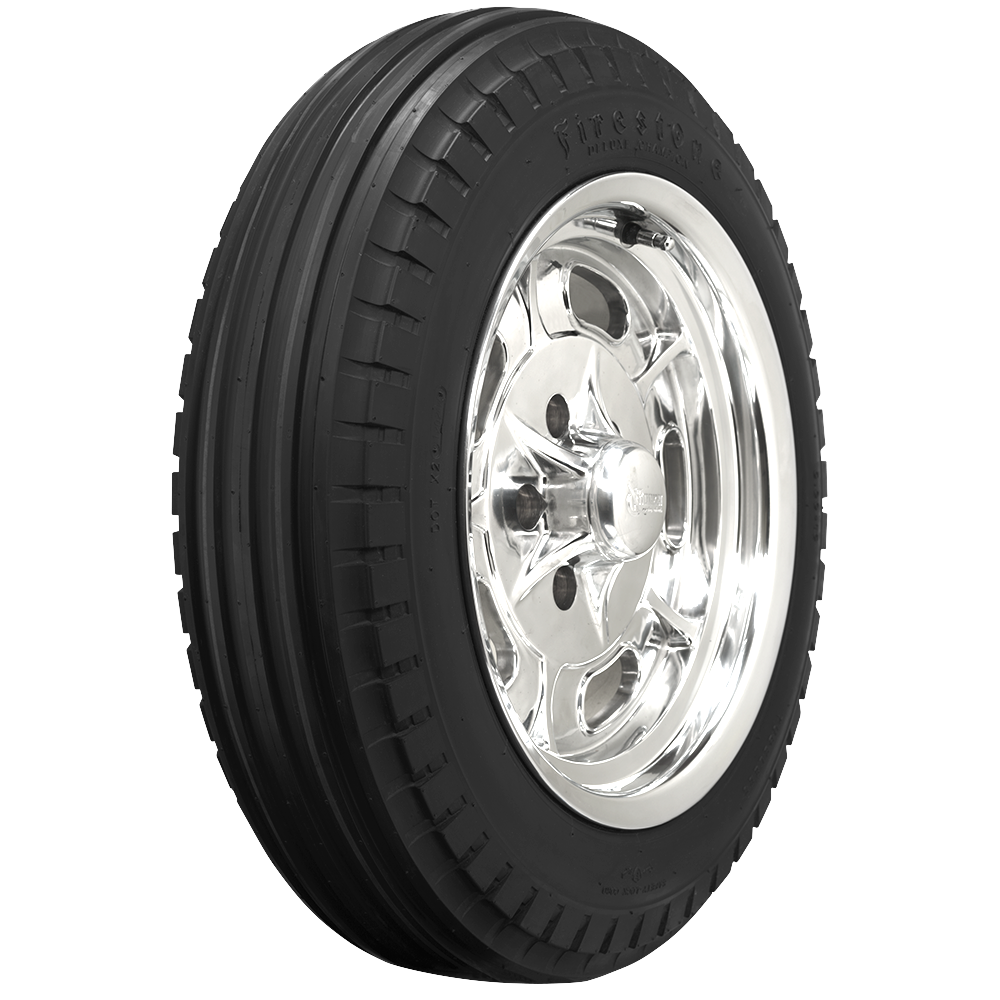
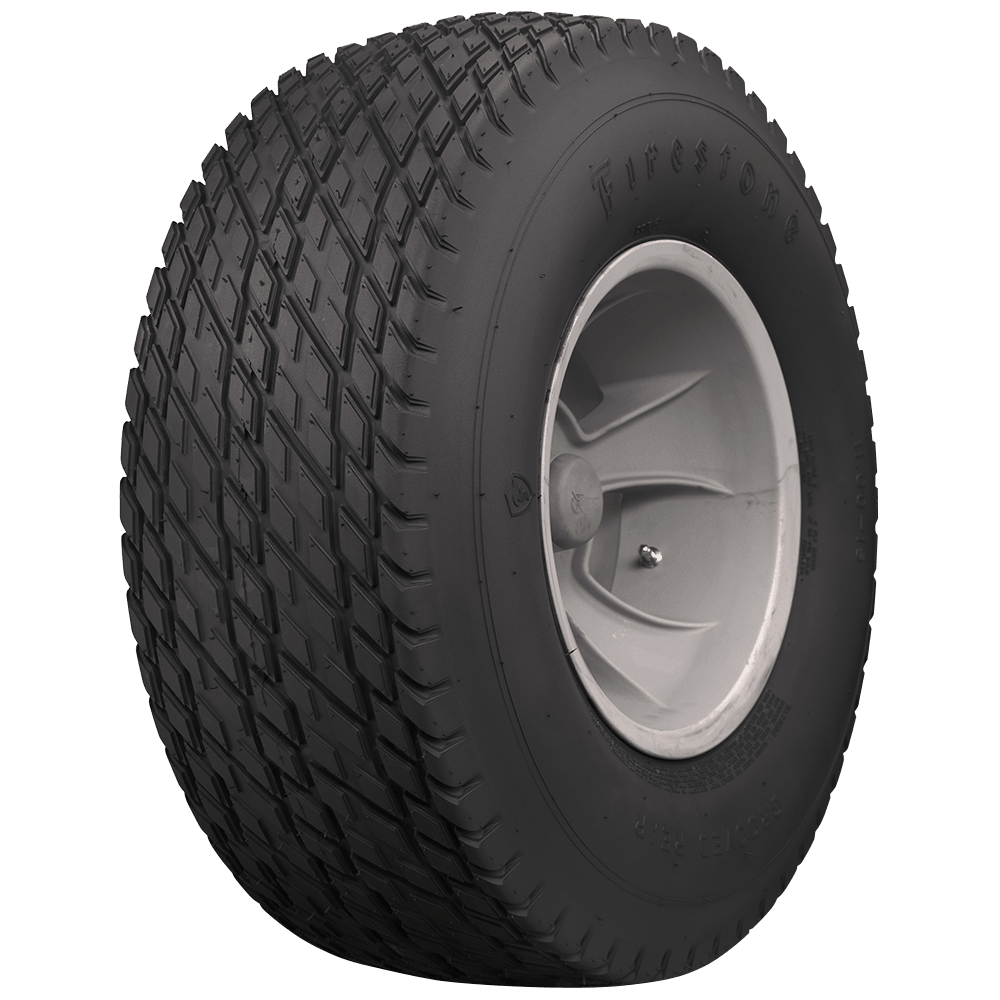
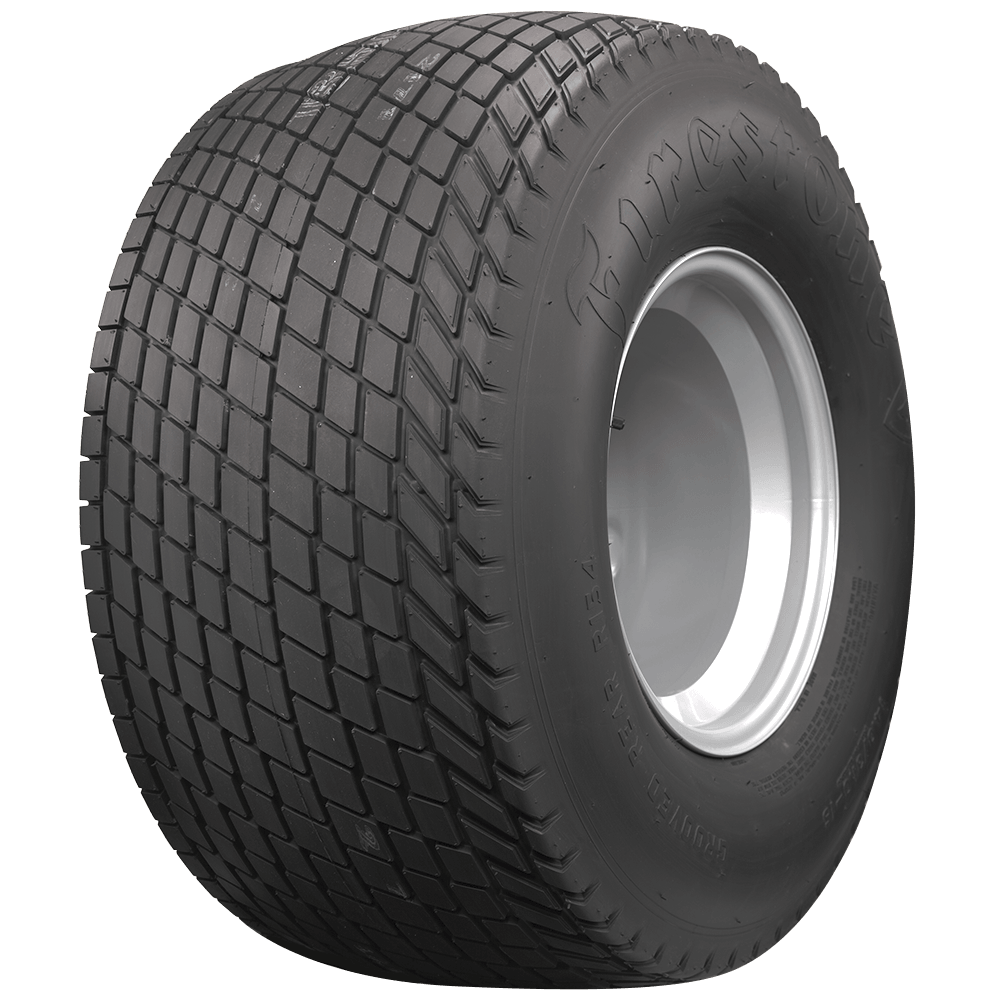
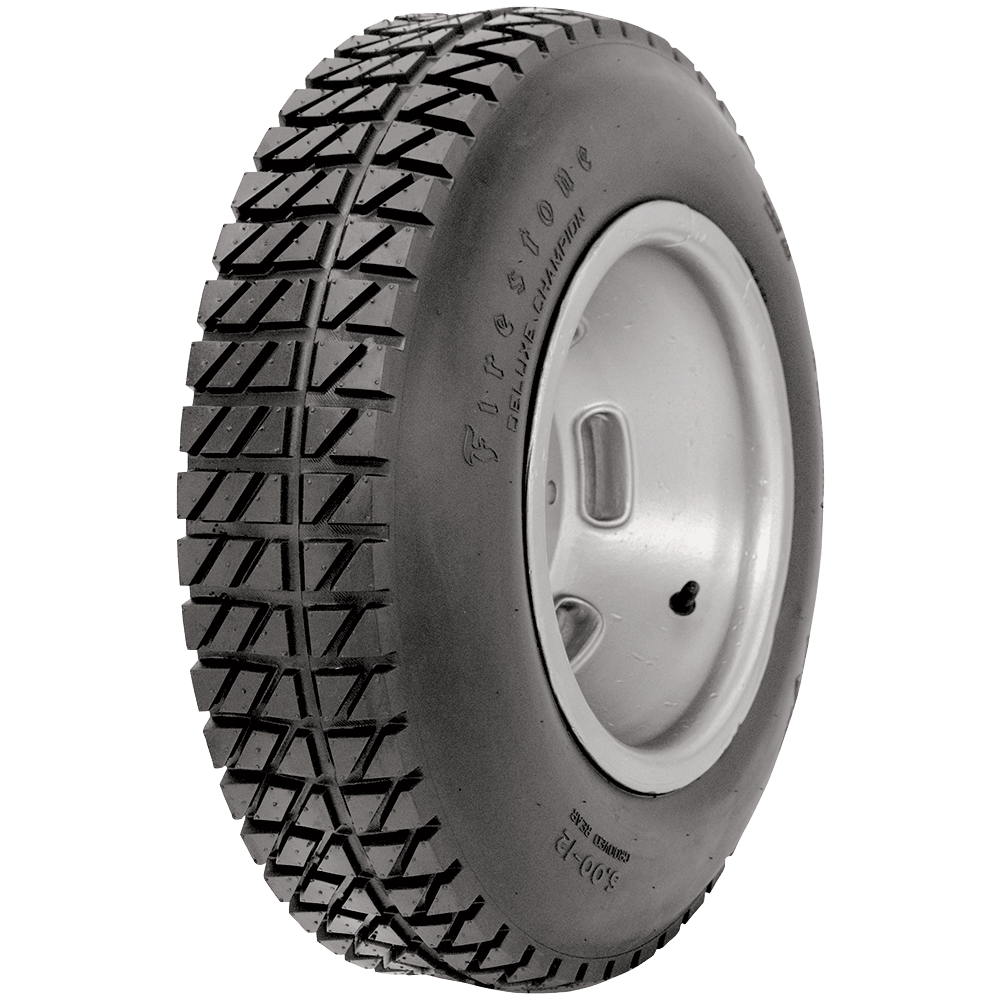
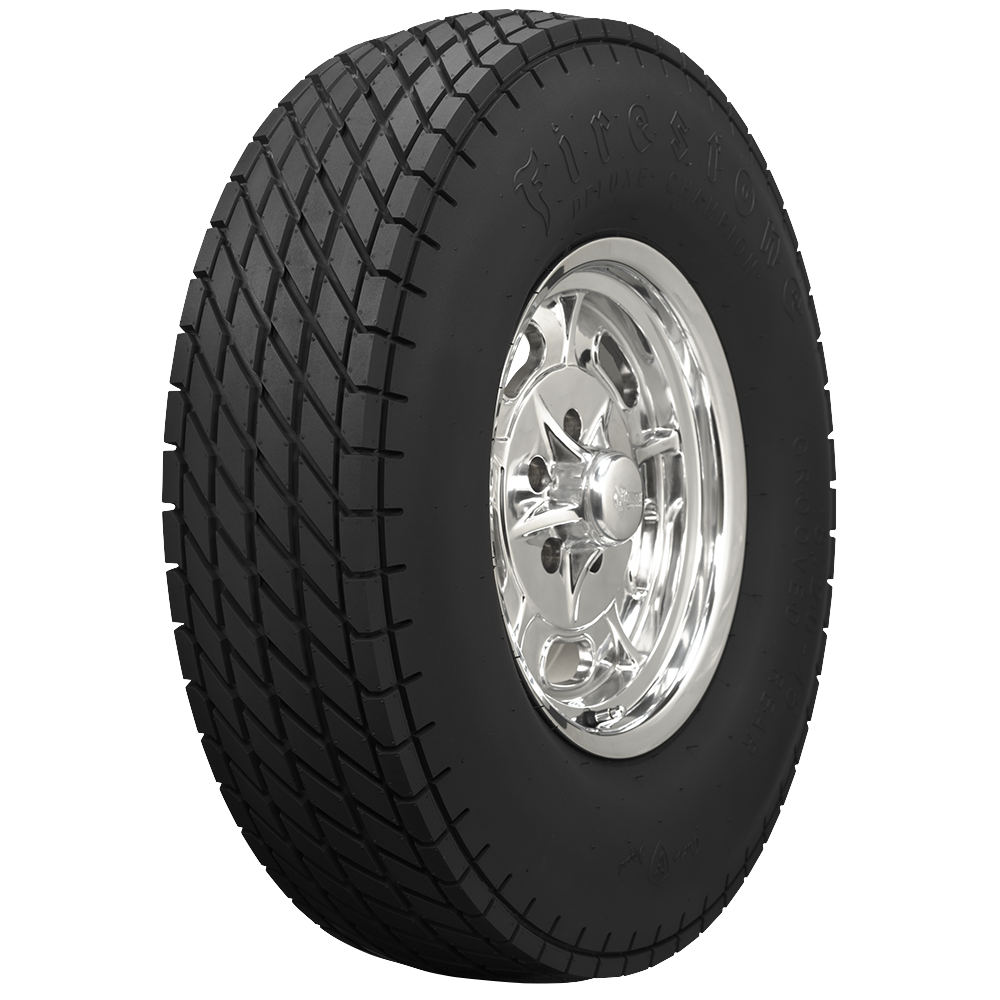
Legendary Firestone Dirt Track tires cut their teeth on the dirt tracks of America and quickly became popular on hot rods. Today many of the finest examples of traditional hot rods in the world wear these popular tires as tribute to the original hot rods and dry lakes racers of the late 1940s and 1950s. Choose from several sizes to get the perfect hot rod stance and rake. Firestone Dirt Tack tires are available in sizes from 5.00-12 to 8.20-19 including new 11.00 sizes.


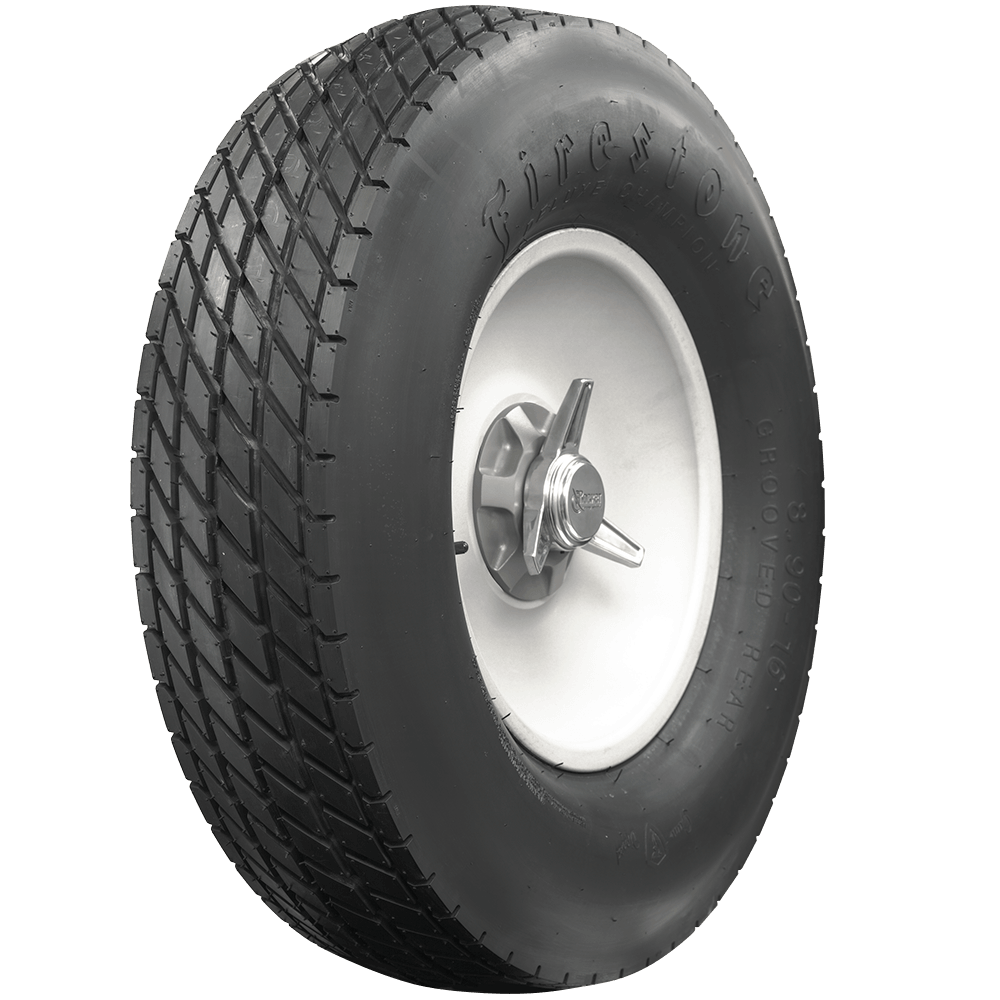
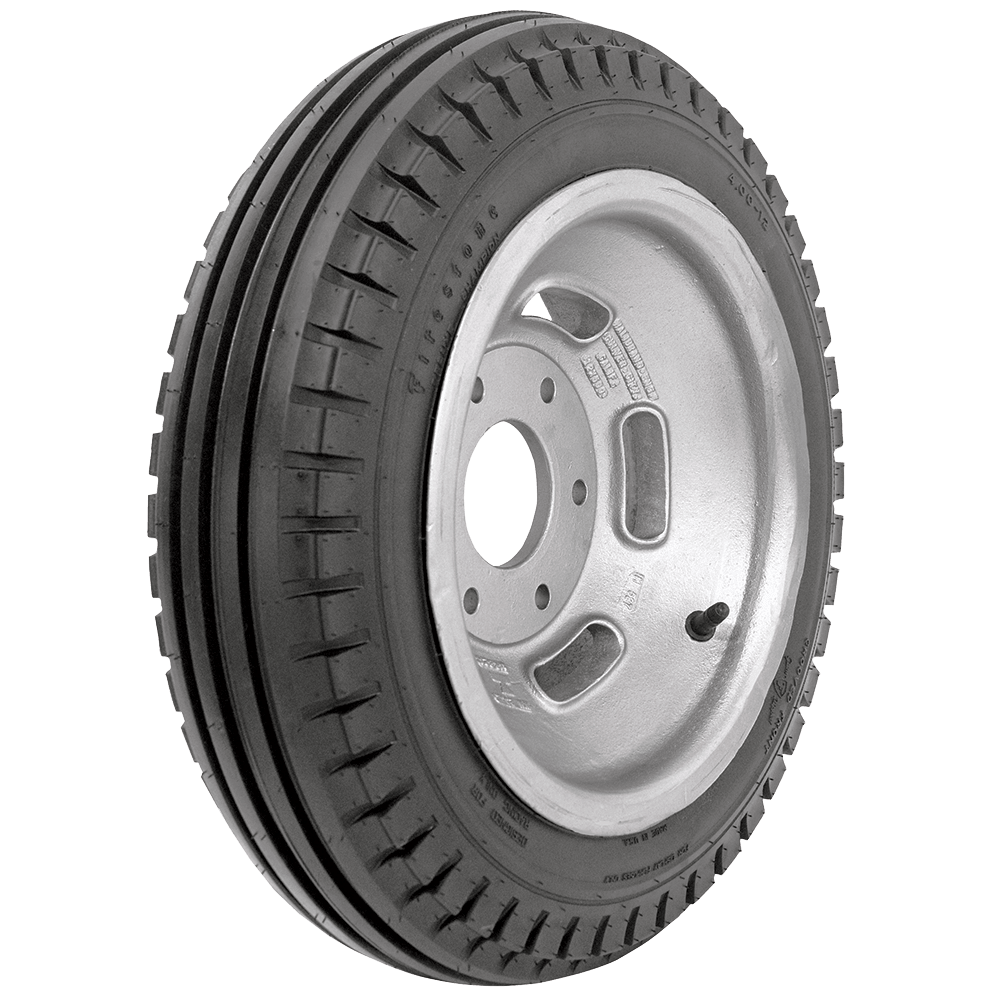
Dirt Slinger
For the ultimate in authentic hot rod style, the Firestone Dirt Track tire is a fantastic choice.
Frequently Asked Questions
Brand Identity & Legacy ▼
What era are Firestone Dirt Track tires most closely associated with? ▼
Firestone Dirt Track tires are most closely tied to the late 1940s through the 1950s. This period marked the rise of dry lakes racing and early hot rod experimentation, where stripped-down vehicles were tested for speed and durability on dirt and salt surfaces.
The tire designs reflect that era’s priorities, including tall sidewall profiles and simple tread patterns suited for loose terrain. Today, they serve as visual anchors for builds aiming to replicate that post-war racing aesthetic.
Why do traditional hot rod builders prefer Firestone Dirt Track tires? ▼
Traditional hot rod builders prioritize authenticity, and Firestone Dirt Track tires deliver a direct visual link to early racing history. Their bias ply construction and period-correct tread patterns match what would have been used on original builds.
Beyond appearance, these tires contribute to the overall stance and character of a hot rod. The tall sidewall profile and narrow front ribbed designs help recreate the rake and proportions seen in vintage builds.
Appearance & Styling ▼
What makes Firestone Dirt Track tires visually distinctive? ▼
Firestone Dirt Track tires are defined by their narrow ribbed front tires and wide grooved rear tires. This contrast creates a classic hot rod stance that emphasizes forward rake and aggressive proportions.
The tall sidewall profile further enhances this look, giving vehicles a period-correct appearance. The overall styling is minimal but purposeful, reflecting early racing priorities.
Why do Firestone Dirt Track tires use ribbed front designs? ▼
Ribbed front tires were originally designed to improve directional stability on loose surfaces. Visually, they create a clean and narrow front profile that complements wider rear tires.
This design has become a defining characteristic of traditional hot rods. It emphasizes the front-to-rear contrast that many builders seek.
What is the purpose of grooved rear tread patterns? ▼
The grooved rear tread pattern was developed to provide traction on dirt surfaces. The grooves help maintain contact with uneven terrain and improve grip under acceleration.
From a styling perspective, these patterns add visual weight to the rear of the vehicle. This enhances the classic hot rod stance and balance.
Driving Experience, Performance & Construction ▼
What type of construction do Firestone Dirt Track tires use? ▼
Firestone Dirt Track tires use bias ply construction, which was standard during the era they represent. This construction involves layered plies that run diagonally across the tire.
Bias ply construction affects handling characteristics, offering a different feel compared to modern radial construction. It typically results in more flexible sidewalls and a unique driving response.
How does bias ply construction affect driving feel? ▼
Bias ply tires provide a softer, more compliant ride due to their flexible sidewalls. However, they can also feel less stable at higher speeds compared to radial tires.
The contact patch changes more under load, which influences handling characteristics. This is part of the authentic driving experience many enthusiasts seek.
Are Firestone Dirt Track tires suitable for highway driving? ▼
While they can be used on highways, they are not optimized for long-distance or high-speed driving. The handling characteristics and tread stability are better suited for low to moderate speeds.
Enthusiasts often use them for short trips, events, and shows rather than daily driving.
Vehicle Applications ▼
Do Firestone Dirt Track tires work for rat rod builds? ▼
Yes, they are popular in rat rod builds where a raw, vintage look is desired. Their rugged appearance complements the unfinished aesthetic of these vehicles.
They also contribute to the overall stance and character.
Can Firestone Dirt Track tires be used on vintage race replicas? ▼
Yes, they are ideal for vintage race replicas, especially those inspired by dirt track or dry lakes racing. Their design closely matches original equipment from that era.
This makes them a strong choice for historically accurate builds.
Maintenance & Ownership ▼
Are Firestone Dirt Track tires prone to flat spotting? ▼
Yes, bias ply tires can develop flat spots if left stationary for long periods. This is due to the construction and material properties.
Driving the vehicle regularly can help minimize this issue.
What should owners expect in terms of ride comfort? ▼
Ride comfort is generally softer due to the flexible sidewall, but it can feel less stable at higher speeds. This is characteristic of bias ply construction.
For many enthusiasts, this trade-off is acceptable for the sake of authenticity.