
Garfield

Garfield Tires
There was a time when many American cars had 16 " wheels. Popular 600-16 and 650-16 tires appeared on everything from trucks to luxury passenger cars. The Garfield bias ply tire is available in authentic tread designs with classic blackwall or whitewall sidewall styling. The 650-16 is a popular upgrade size for cars and trucks fitted with 600-16 tires from the factory. For period correct looks that wont melt your wallet.
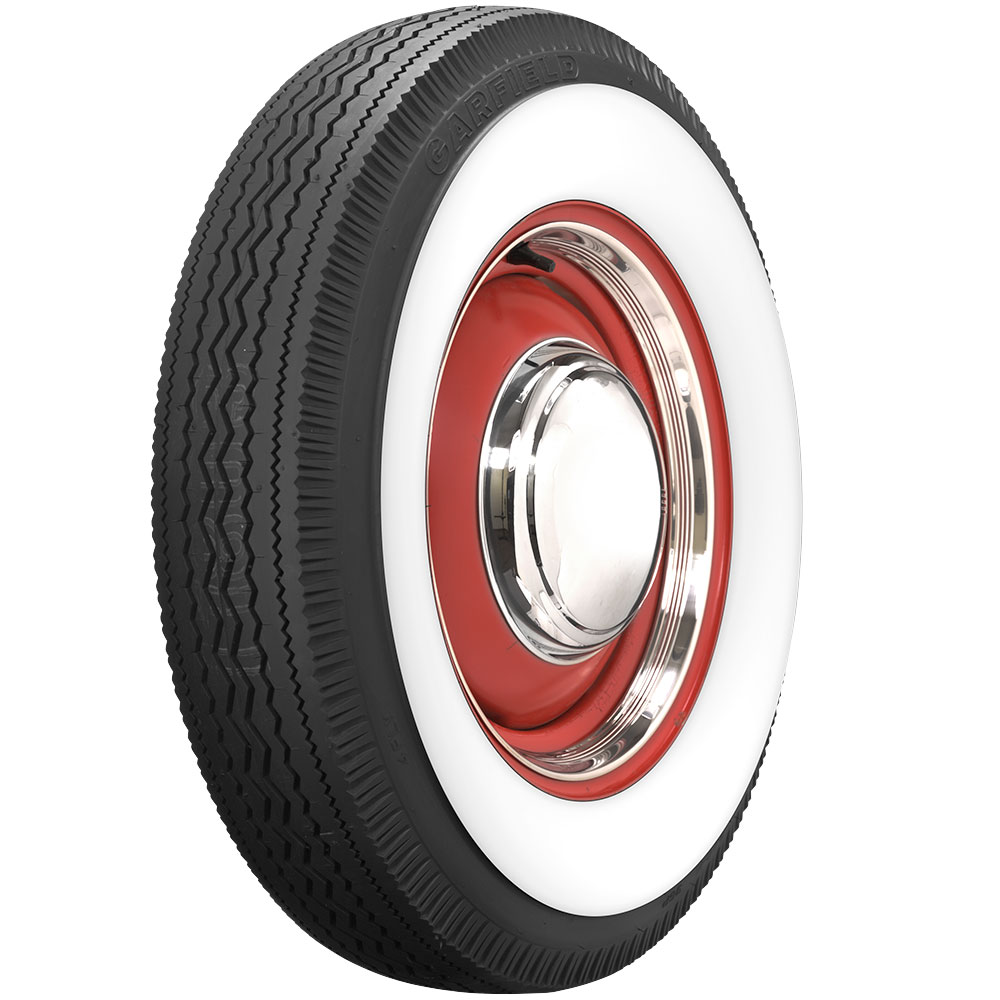


There was a time when many American cars had 16 " wheels. Popular 600-16 and 650-16 tires appeared on everything from trucks to luxury passenger cars. The Garfield bias ply tire is available in authentic tread designs with classic blackwall or whitewall sidewall styling. The 650-16 is a popular upgrade size for cars and trucks fitted with 600-16 tires from the factory. For period correct looks that wont melt your wallet
Frequently Asked Questions
Brand Identity & Legacy ▼
What era of vehicles are Garfield tires most closely associated with? ▼
Garfield tires are most closely associated with pre-war and immediate post-war American vehicles, particularly those from the 1930s through the early 1950s. This era commonly used bias ply construction and taller sidewall profiles, which directly influenced suspension tuning and ride comfort characteristics.
These tires align with vehicles that originally featured narrow contact patches and higher aspect ratios, resulting in a more compliant ride over uneven surfaces. Enthusiasts restoring classic sedans, coupes, and light trucks from this period often choose Garfield tires to maintain the correct stance and driving feel tied to that historical automotive era.
What makes Garfield tires relevant in today’s collector car market? ▼
Garfield tires remain relevant because they fill a specific niche focused on authenticity and affordability. Many collectors seek period-correct bias ply tires but do not always require premium-level reproduction brands, making Garfield a practical alternative.
Their continued production supports vehicles that still operate on original wheel diameters and suspension setups. This ensures that classic cars and trucks can maintain proper ride height, sidewall profile, and visual balance, which are all critical factors in preserving historical accuracy within the collector car community.
Appearance & Styling ▼
What makes Garfield tires visually distinctive? ▼
Garfield tires are visually distinctive due to their tall, narrow sidewall profile and period-correct tread patterns. These features reflect an era when tire design emphasized proportion and vertical sidewall height rather than width and low-profile styling.
The overall look complements vintage vehicles by maintaining proper wheel-to-tire balance. This is especially important for classic cars and trucks that rely on larger diameter wheels with narrow tread widths, ensuring the vehicle retains its original stance and visual authenticity.
How do Garfield tires compare visually to modern radial tires? ▼
Compared to modern radial tires, Garfield tires have a noticeably taller sidewall and narrower tread width. This creates a more upright and classic stance, which contrasts with the wider, flatter profile of radial construction.
The difference is especially visible in the way the tire fills the wheel well and interacts with the body lines of the vehicle. Garfield tires maintain the proportions that vintage vehicles were designed around, which is essential for achieving an authentic restoration look.
Driving Experience, Performance & Construction ▼
How do Garfield tires perform compared to radial tires? ▼
Garfield tires offer a different driving experience compared to radial tires. The bias ply construction provides a softer ride due to increased sidewall flex, but it also results in slower steering response and reduced high-speed stability.
Radial tires typically have a larger and more consistent contact patch, which improves handling characteristics and tread longevity. In contrast, Garfield tires prioritize authenticity and ride comfort, making them better suited for period-correct driving rather than modern performance expectations.
What kind of ride comfort can you expect from Garfield tires? ▼
Garfield tires provide a smooth and compliant ride, largely due to their flexible sidewall profile. This design helps absorb road imperfections, which was important during an era when road surfaces were less developed.
The increased sidewall movement contributes to a cushioned driving experience, especially at moderate speeds. This aligns with the intended use of vintage vehicles, where comfort and durability were prioritized over sharp handling or aggressive cornering performance.
Vehicle Applications ▼
Can Garfield tires be used on hot rods or custom builds? ▼
Garfield tires can be used on traditional hot rods that aim to maintain a vintage aesthetic. Their tall sidewall and classic tread design complement early hot rod styling, particularly in builds that avoid modern performance upgrades.
However, for high-performance custom builds, radial tires are often preferred due to improved handling characteristics. Garfield tires are best suited for builds that prioritize style and historical accuracy over performance.
Are Garfield tires appropriate for daily driving classics? ▼
Garfield tires can be used for occasional daily driving, but they are best suited for moderate use. Their bias ply construction is not optimized for the demands of modern high-speed commuting.
For enthusiasts who drive their classics regularly at moderate speeds, these tires can provide a comfortable and authentic experience. However, they require more attention to driving style compared to modern radial options.
What makes Garfield tires a good match for vintage sedans? ▼
Garfield tires are a good match for vintage sedans because they maintain the correct sidewall profile and ride characteristics. These vehicles were designed with bias ply tires that emphasized comfort and smooth road manners.
The flexible sidewall and traditional contact patch help replicate the original driving feel. This makes Garfield tires a reliable option for preserving the intended behavior of classic sedans.
Maintenance & Ownership ▼
How long do Garfield tires typically last? ▼
Garfield tires offer solid tread longevity when used under appropriate conditions. Their bias ply construction is designed for durability rather than high-performance wear patterns, which helps extend service life during moderate use.
Proper storage, inflation, and driving habits play a significant role in longevity. Since these tires are often used on collector vehicles, they can last many years when maintained correctly and not subjected to excessive mileage.
How should Garfield tires be stored when not in use? ▼
Garfield tires should be stored in a cool, dry environment away from direct sunlight and extreme temperature changes. Proper storage helps preserve the rubber compound and prevents premature aging.
Keeping the tires off the ground or using protective covers can further extend their lifespan. This is especially important for collector vehicles that may remain stationary for extended periods.
How often should Garfield tires be inspected? ▼
Garfield tires should be inspected regularly, especially before long drives or after periods of storage. Checking for cracks, pressure levels, and tread condition helps ensure safe operation.
Routine inspections are particularly important for vintage tires, as they may not be used as frequently as modern daily-driver tires. This proactive approach helps maintain both safety and performance.