
Indian

Filter By
Indian Motorcycle Tires
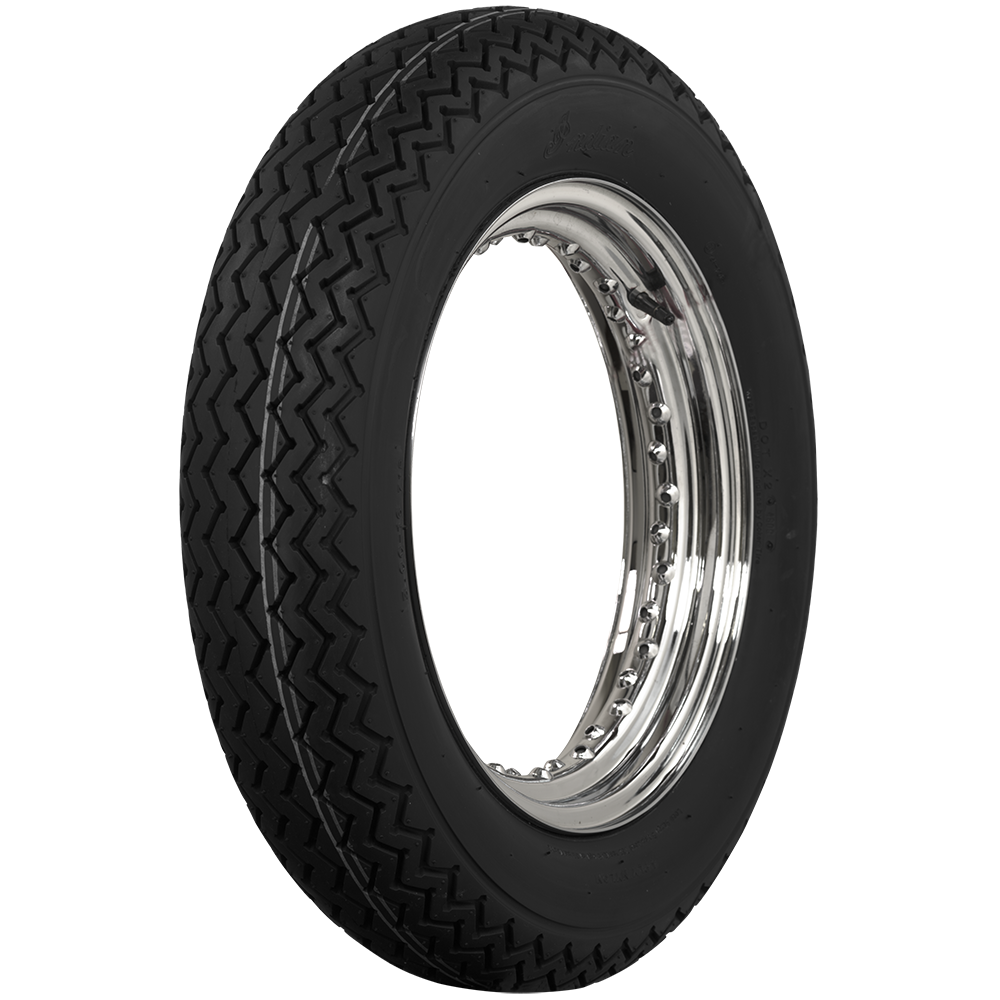
Indian motorcycle tires are available in 500-16 and 400-18 sizes. The all-black rubber tires feature a distinctive zig-zag tread pattern and authentic sidewall markings. The tires are specific to Indian motorcycles from the 1930s and 1940s, but are excellent tires for other bikes from that era as well as custom bike builds.
Hey Chief!
Shop our complete line of motorcycle tires and tubes now!
Frequently Asked Questions
Purchase Considerations ▼
Will Indian motorcycle tires work with my existing vintage motorcycle wheel setup? ▼
Indian motorcycle tires are available in 500-16 and 400-18 sizes, making them suitable for certain vintage motorcycle wheel configurations. Originally intended for Indian motorcycles from the 1930s and 1940s, these tires can also be used on other American and European motorcycles from the same era, as well as custom builds. However, compatibility depends on matching the tire's designated rim diameter and size to your motorcycle's existing wheels.
Before purchasing, verify your current tire size, wheel diameter and rim width against the specifications of the selected Indian motorcycle tire. The brand page does not specify compatible rim widths, so confirm the exact fitment before installation.
Will Indian motorcycle tires affect the steering feel of my motorcycle? ▼
Indian motorcycle tires feature bias-ply construction, which uses layered diagonal plies to create a flexible sidewall. This construction contributes to the traditional handling characteristics associated with vintage motorcycles. The flexible sidewall helps absorb road imperfections and provides a cushioned ride, although the steering response may feel less precise than that of modern radial tires.
The overall steering feel also depends on tire size, inflation pressure, motorcycle geometry and wheel alignment. Maintaining the recommended inflation pressure helps preserve consistent tire contact with the road. Indian motorcycle tires are intended for moderate-speed riding and relaxed cruising rather than aggressive performance riding.
Will Indian motorcycle tires change the appearance or stance of my motorcycle? ▼
Indian motorcycle tires feature an all-black rubber finish, a distinctive zig-zag tread pattern and authentic Indian sidewall markings. These styling details recreate the appearance associated with Indian motorcycles from the 1930s and 1940s. They are particularly relevant for owners restoring pre-1950 motorcycles or building custom motorcycles that retain a traditional vintage appearance.
The selected tire size can also influence the motorcycle's overall stance and proportions. Indian motorcycle tires are available in 500-16 and 400-18 sizes, so choosing the correct size is important for maintaining appropriate wheel proportions. Verify the original tire dimensions before selecting a replacement to avoid unintended changes in ride height or overall appearance.
Is the construction of Indian motorcycle tires appropriate for my intended riding style? ▼
Indian motorcycle tires use traditional bias-ply construction, with diagonal layers that provide a flexible sidewall and stable contact patch. This construction reflects the design of vintage motorcycle tires and contributes to their characteristic ride feel. The tread pattern is intended to provide road contact on paved and lightly unpaved surfaces, making these tires suitable for relaxed riding conditions.
These tires are best suited for cruising, show use and historically accurate riding experiences rather than aggressive or high-performance applications. Their construction prioritizes traditional handling characteristics and moderate-speed stability. Riders should maintain the recommended inflation pressure and inspect the tires regularly for wear, cracking and aging to support consistent performance.
Brand Identity & Legacy ▼
What makes Indian motorcycle tires recognizable among collectors? ▼
Indian motorcycle tires are easily recognized by their distinctive tread patterns and authentic sidewall markings. The zig-zag tread design is a defining visual cue that sets them apart from more modern or generic vintage-style motorcycle tires.
Collectors also appreciate the faithful reproduction of branding elements on the sidewall, which closely mirror original factory specifications. This attention to detail helps restorers maintain historical integrity, making these tires a preferred choice for concours-level restorations and historically accurate builds.
Are Indian motorcycle tires only relevant to Indian brand motorcycles? ▼
While originally designed for Indian motorcycles, these tires are widely used across other vintage American and European bikes from the same era. Their period-correct styling makes them suitable for a variety of pre-1950 motorcycle restorations.
Custom builders also use Indian motorcycle tires to achieve a vintage aesthetic on modern builds. Their visual authenticity and classic tread design make them versatile beyond their original application.
Appearance & Styling ▼
Are Indian motorcycle tires suitable for custom vintage-style builds? ▼
Indian motorcycle tires are often used in custom builds that aim to replicate or reinterpret vintage styling. Their classic tread and sidewall design make them a natural fit for such projects.
Builders frequently choose these tires to create a cohesive retro aesthetic while maintaining functional performance. They work especially well on bobbers and period-inspired custom motorcycles.
Driving Experience, Performance & Construction ▼
What type of construction is used in Indian motorcycle tires? ▼
Indian motorcycle tires typically use bias ply construction, which was standard during the era they represent. This construction involves layered plies that run diagonally across the tire.
Bias ply construction provides a flexible sidewall and a stable contact patch under varying conditions. It contributes to the classic ride feel associated with vintage motorcycles.
How do Indian motorcycle tires perform on the road? ▼
Indian motorcycle tires offer predictable handling characteristics suited for moderate speeds and relaxed riding. Their design prioritizes stability and consistent road contact rather than aggressive performance.
The tread pattern provides adequate grip on both paved and lightly unpaved surfaces. This reflects the original intent of these tires for versatile road conditions.
What kind of ride comfort can be expected from Indian motorcycle tires? ▼
The flexible sidewall of bias ply construction contributes to a cushioned ride. This helps absorb road imperfections and enhances overall ride comfort.
However, compared to modern radial construction, the ride may feel less precise. This is part of the authentic driving experience that many vintage enthusiasts value.
How does bias ply construction influence stability? ▼
Bias ply construction offers strong load support and consistent tread stability at moderate speeds. The layered structure helps distribute weight evenly across the tire.
However, it can result in more sidewall flex compared to radial construction. This contributes to the classic handling feel associated with vintage motorcycles.
Are Indian motorcycle tires designed for high-performance riding? ▼
Indian motorcycle tires are not intended for high-performance or aggressive riding. Their design reflects an era focused on durability and versatility rather than speed.
They are best suited for cruising, show use, and historically accurate riding experiences. This makes them ideal for enthusiasts prioritizing authenticity over performance.
Vehicle Applications ▼
What types of motorcycles commonly use Indian motorcycle tires? ▼
Indian motorcycle tires are commonly used on pre-1950 American motorcycles, particularly those originally produced by Indian. They are also suitable for similar-era bikes from other manufacturers.
Their design aligns with the geometry and performance expectations of vintage motorcycles, making them a natural fit for restoration projects.
Maintenance & Ownership ▼
Do Indian motorcycle tires require special maintenance? ▼
Indian motorcycle tires benefit from regular inspection and proper inflation. Maintaining correct air pressure helps preserve the contact patch and ensures even wear.
Routine checks for cracking or aging are also important, especially for bikes that are not frequently ridden.
How should Indian motorcycle tires be stored when not in use? ▼
Proper storage involves keeping the tires in a cool, dry environment away from direct sunlight. This helps prevent rubber degradation.
Using covers and maintaining stable conditions can extend the life of the tires during long periods of inactivity.