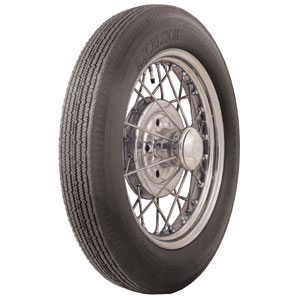
525/550-18 Lester Classic Wide Whitewall Tire
525/550-18 Lester 3.25" Whitewall TireLester tires have been a dominant leader in the vintage tire market and remain a top choice for restorers and collectors alike.Features:Popular choice for late 20's, 30's American carsBold, Unique Tread Pattern Made in USA.
Genuine Wide Whitewall Tire
Typically wide whitewalls run all the way to the bead. Narrow whitewalls will stop somewhere before the bead, resulting in a narrower band of exposed white rubber. Bright white rubber is added directly to the tire sidewall during initial construction of the carcass, resulting in a truly integrated, high-quality product after vulcanization. This style was popular into the early sixties, eventually being replaced by narrow whitewalls altogether.
Bias Ply Construction
Bias ply tire construction is a method that was used from the 1900's through the 1970's on passenger cars and light trucks. Bias ply tires feature ply cords that run at a 45 degree angle to the bead, and overlap in a crisscross pattern, depending on how many ply layers are used. This creates a strong tire, but bias ply tires have a tendency to follow breaks or ruts in the pavement. Bias ply tires are the most authentic choice for classic car restorations and traditional hot rod builds. Coker Tire offers a huge variety of bias ply tires for many applications.
Lester Classic Tires
Focused on authenticity, the Lester brand offers period correct styling and fitments for many cars from the 1900's through the 1950's. Available in wide whitewall and blackwall, Lester bias ply tires are specially designed for antique cars, and continue to be a favorite among car collectors around the world.
Please Note
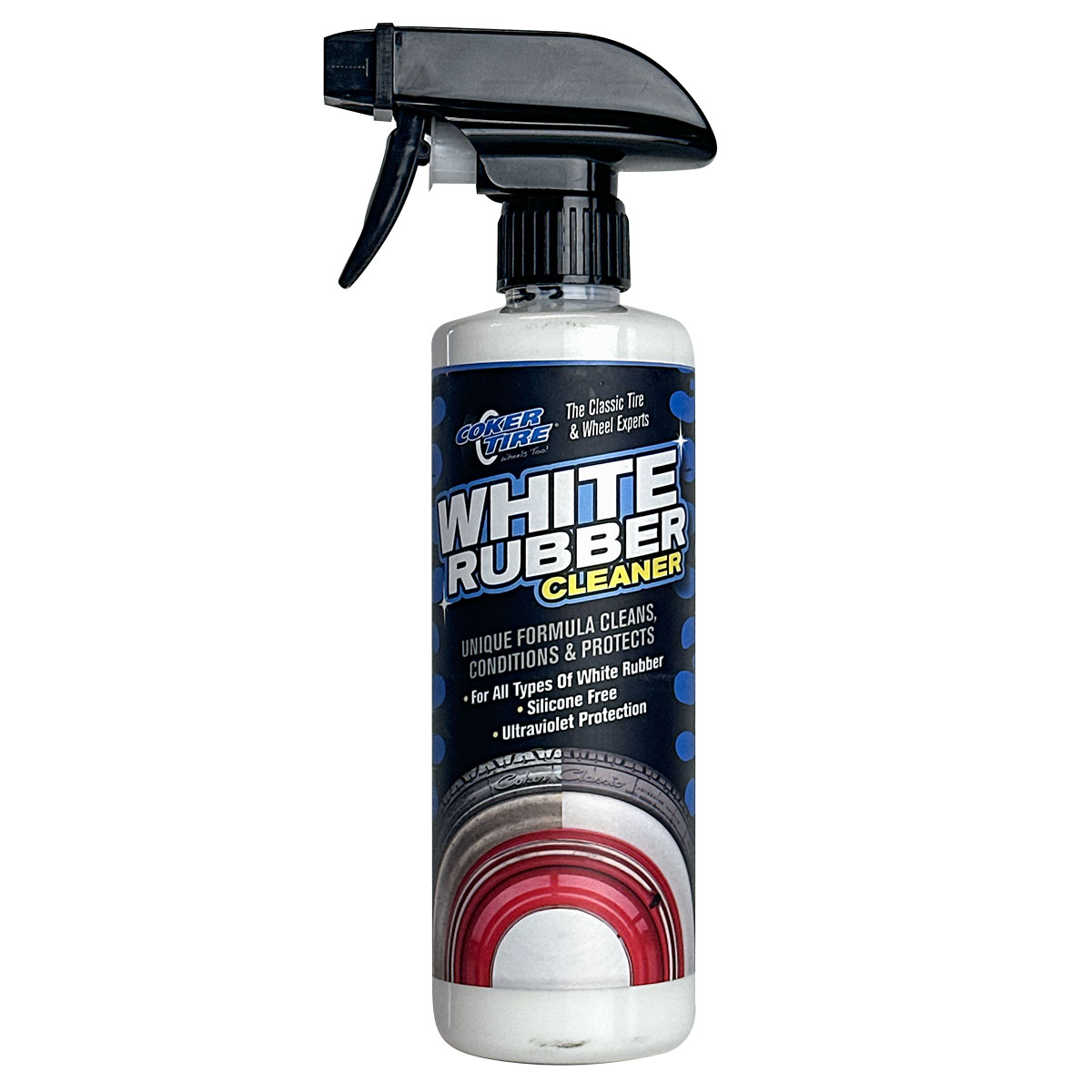
- Tire mounted on wheel for demonstration purposes only. Wheel and other accessories are not included. Please note that dimensions listed (tread width, section width and overall diameter) are non-scientific and based on an inflated tire, mounted to a wheel. Dimensions may vary due to rim width and inflation pressure. Please note Chemical Guys Tire and Rubber Cleaner and Adams Polish Tire shine has been linked to Whitewall browning and should not be used. We recommend using our line of tire care products.
| SKU | 71652 |
|---|---|
| Weight | 22.000000 |
| Availability Date | 2026-10-30T00:00:00Z |
| Sidewall Style | Wide Whitewall |
| Whitewall Width (in) | 3.250 |
| Tire Construction | Bias Ply |
| Tire Series | Lester Classic Bias Ply |
| Rim Diameter | 18 inch |
| Tube Type or Tubeless | Tube Type |
| Product Size | 525/550-18 |
| Width Bias Ply | 5.25/5.50 |
| Brand | Lester |
This Lester Wide Whitewall comes in the 525/550-18 size, suitable for the classic and collector vehicles listed below.
About the 525/550-18 Tire Size
The 525/550-18 tire size is a vintage fitment used on select classic and collector vehicle applications. This Lester Wide Whitewall is offered in that 525/550-18 size, with a bias ply construction and wide whitewall styling that suit period-correct appearance. For more detailed information on this tire size, explore the 525/550-18 tire on Coker Tire Fitment Guide.
Frequently Asked Questions
Purchase Considerations ▼
Is the Lester Wide Whitewall 525/550-18 appropriate for a concours or points-judged restoration where tire specifications are evaluated? ▼
The Lester Wide Whitewall 525/550-18 is designed for period-inspired restorations, with bias-ply construction, a distinctive tread pattern, and a genuine 3.25-inch whitewall. Its styling makes it a relevant option for late-1920s and 1930s American cars, particularly when maintaining the vehicle's vintage appearance is a priority.
For a concours or points-judged restoration, however, visual authenticity alone may not be sufficient. Check the tire size, whitewall width, tread design, and any required markings against the documented specifications for your exact make, model, and year. Judging requirements vary, so confirming the applicable standards before purchasing can help determine whether this tire meets the restoration's specific authenticity requirements.
Does the Lester Wide Whitewall 525/550-18 require an inner tube, and how does that affect installation on original wheels? ▼
The supplied product information does not confirm whether the Lester Wide Whitewall 525/550-18 requires an inner tube. This is an important detail for owners of antique vehicles, as original wheels may have been designed for tube-type tires and may not be suitable for tubeless installation.
Before ordering, confirm the tire's tube requirements with Coker Tire and have your wheels inspected by an installer experienced with vintage tire assemblies. If a tube is required, it must be appropriate for the tire size and wheel configuration. The condition and design of the original wheel should also be considered, since choosing the correct tire is only one part of ensuring a suitable installation.
What should a buyer consider if the vehicle has been fitted with a different tire size by a previous owner before returning to the Lester Wide Whitewall 525/550-18? ▼
If a previous owner fitted a different tire size, do not assume that returning to the Lester Wide Whitewall 525/550-18 will automatically restore the vehicle's original fitment. Changes in tire dimensions can affect overall diameter, sidewall profile, ride height, and clearance, while other modifications made over the years may also influence compatibility.
Before purchasing, compare the current tires with the original specifications for your vehicle and confirm the dimensions of the Lester tire with the supplier. Check clearance around the fenders, suspension, and steering components, particularly if the wheels or suspension have also been changed. Reviewing the vehicle's current configuration alongside its original specifications helps establish whether this vintage tire is an appropriate replacement.
Is there a load capacity or speed rating published for the Lester Wide Whitewall 525/550-18 that buyers should verify before purchase? ▼
The supplied product description does not specify a load capacity or speed rating for the Lester Wide Whitewall 525/550-18. Buyers should obtain these figures from Coker Tire rather than assuming the tire's capabilities from its vintage sizing, appearance, or bias-ply construction.
This is particularly important when selecting tires for heavier antique vehicles or cars intended for sustained driving. Confirm that the tire's documented capacity and operating limits are appropriate for your vehicle's requirements and intended use. If you are restoring a vehicle with non-original components or a different loading configuration, verify the suitability of the complete setup before purchase rather than relying solely on the tire size used historically.
Fitment & Compatibility ▼
Will the Lester Wide Whitewall 525/550-18 work with original 18-inch wheels? ▼
The Lester Wide Whitewall 525/550-18 is designed for use on 18-inch wheels, making it appropriate for many original wheels found on pre-war American automobiles. Wheel condition remains an important consideration, especially on vehicles that have been in service for decades or undergone restoration work.
Before installation, inspect wheels for corrosion, damage, excessive runout, or previous repairs. Vintage wheels can vary significantly in condition, and proper bead seating is essential for safe operation. If the wheel dimensions match the tire size and the wheel is structurally sound, the Lester Wide Whitewall 525/550-18 can provide a period-correct appearance while preserving the vehicle's original character.
Will the Lester Wide Whitewall 525/550-18 affect steering effort compared with modern radial tires? ▼
The Lester Wide Whitewall 525/550-18 uses traditional bias ply construction, which generally produces a different steering feel than modern radial tires. Drivers transitioning from radial tires may notice heavier steering effort at lower speeds and different feedback through the steering wheel.
Bias ply tires also tend to react more noticeably to road grooves, pavement seams, and surface imperfections. These characteristics are normal and reflect the design technology used during the period. Owners seeking an authentic vintage driving experience typically consider these traits part of the vehicle's original character rather than a drawback.
Can the Lester Wide Whitewall 525/550-18 be installed on vehicles with suspension upgrades? ▼
The Lester Wide Whitewall 525/550-18 can often be used on vehicles that have received suspension upgrades, but modifications should always be evaluated carefully. Changes to ride height, spring rates, shock absorbers, steering geometry, or wheel positioning can alter available clearance and tire behavior.
Because upgraded suspensions may allow greater wheel travel or different alignment settings, clearance checks become even more important. The tire's overall installed dimensions can vary slightly based on wheel width and inflation pressure. Verifying clearance throughout the full range of suspension movement helps avoid rubbing issues after installation.
Is the Lester Wide Whitewall 525/550-18 a good choice for an authenticity-focused restoration? ▼
The Lester Wide Whitewall 525/550-18 is designed specifically for collectors and restorers seeking period-correct styling. Its wide whitewall appearance reflects a traditional look that was common on many antique American vehicles, helping restorations maintain visual accuracy without resorting to reproduction accessories.
The tire also uses bias ply construction, which mirrors original tire technology used during the era. For owners participating in judged shows, preservation events, or historically accurate restorations, maintaining the correct tire style is often just as important as paint, trim, and interior details. This tire supports that objective while remaining suitable for regular collector vehicle use.
Tire Size Equivalents & Conversions ▼
Is the Lester Wide Whitewall 525/550-18 the correct replacement for an original 525-18 tire? ▼
The Lester Wide Whitewall 525/550-18 is designed around the traditional sizing systems used on many late 1920s and 1930s American vehicles. For owners replacing worn original-style tires, it can serve as a period-correct replacement when the vehicle originally specified a 525-18 tire size.
Because vintage sizing systems predate modern metric tire designations, owners should verify factory specifications before ordering. Tire dimensions can vary slightly among manufacturers, and wheel condition or previous modifications may influence fitment. Matching the original tire size remains the best approach for maintaining proper appearance, ride height, steering characteristics, and speedometer behavior.
How does the Lester Wide Whitewall 525/550-18 compare with modern tire sizing systems? ▼
The Lester Wide Whitewall 525/550-18 uses a vintage sizing format that differs significantly from modern metric tire measurements. Unlike contemporary tire sizes that specify width, aspect ratio, and wheel diameter separately, older sizing systems communicate overall tire dimensions in a more simplified format.
As a result, direct conversion to a modern metric size is not always straightforward. Overall diameter, section width, sidewall height, and intended vehicle application must all be considered. Owners restoring antique vehicles typically prioritize matching the original vintage tire size rather than pursuing a modern metric equivalent to maintain authentic proportions and appearance.
Why is matching the original Lester Wide Whitewall 525/550-18 size important for restoration accuracy? ▼
Tire size affects far more than appearance. The correct Lester Wide Whitewall 525/550-18 sizing helps maintain factory ride height, wheel well fill, steering characteristics, and overall vehicle proportions. These details often play a significant role in judging standards and restoration authenticity.
Incorrect sizing can create visual inconsistencies and may alter vehicle dynamics. Changes in tire diameter or width can influence speedometer readings, steering effort, clearance, and suspension behavior. Choosing the proper vintage tire size helps preserve the vehicle's original engineering while supporting a historically accurate finished restoration.
Performance & Use Case ▼
How will the Lester Wide Whitewall 525/550-18 feel on modern highways? ▼
The Lester Wide Whitewall 525/550-18 can be driven on modern roads, but owners should understand that bias ply tires respond differently than contemporary radial designs. Steering inputs may require more attention, and the vehicle may react more noticeably to pavement imperfections and lane grooves.
At highway speeds, maintaining proper inflation pressure becomes especially important. Correct pressure helps optimize stability, tread contact, and heat management. While many collectors successfully drive bias ply tires on today's roads, the experience remains closer to what drivers would have encountered during the vehicle's original era.
Is the Lester Wide Whitewall 525/550-18 suitable for long-distance touring? ▼
Many antique vehicle owners use bias ply tires for touring events and collector car road trips. The Lester Wide Whitewall 525/550-18 can support this type of use when maintained properly and operated within reasonable expectations for vintage tire technology.
Regular inspections, proper inflation, and attention to vehicle alignment are important before extended travel. Because bias ply construction generates driving characteristics different from modern tires, drivers should allow extra time to become familiar with steering response and tracking behavior before undertaking lengthy trips.
Is the Lester Wide Whitewall 525/550-18 better suited for show vehicles or regularly driven classics? ▼
The Lester Wide Whitewall 525/550-18 works well for both applications when owners understand its purpose. The authentic wide whitewall appearance makes it highly attractive for concours restorations, museum displays, and show-quality vehicles focused on historical accuracy.
At the same time, many collectors drive their vehicles regularly and appreciate the tire's period-correct construction and appearance. Success depends on maintaining realistic expectations regarding bias ply handling characteristics and performing routine inspections. For owners prioritizing authenticity, the tire can support both display and active collector vehicle use.
Construction, Durability & Load Capacity ▼
Why is bias ply construction important for the Lester Wide Whitewall 525/550-18? ▼
Bias ply construction is a key part of what makes the Lester Wide Whitewall 525/550-18 appropriate for authenticity-focused restorations. The technology closely mirrors what many vehicles originally used during the late 1920s and 1930s.
In addition to visual accuracy, bias ply construction affects steering feel, ride behavior, and road response. Owners seeking a historically accurate ownership experience often prefer maintaining original tire technology rather than substituting modern alternatives that may alter the vehicle's character and appearance.
Does the Lester Wide Whitewall 525/550-18 provide authentic sidewall appearance? ▼
Yes. One of the defining features of the Lester Wide Whitewall 525/550-18 is its genuine wide whitewall design. The whitewall extends in a manner consistent with historical tire styling that remained popular on many American vehicles before narrower whitewall designs became common.
The bright white rubber is integrated into the tire during manufacturing rather than added afterward. This construction approach helps create an authentic appearance that closely matches period-correct restoration standards while providing long-term visual consistency.
Why do restorers choose the Lester Wide Whitewall 525/550-18 over modern-looking alternatives? ▼
Restorers often select the Lester Wide Whitewall 525/550-18 because it combines authentic styling with period-correct bias ply construction. The tire reflects the appearance and engineering principles originally associated with many antique American automobiles.
Modern tire designs may improve certain performance characteristics, but they can also alter vehicle appearance and historical accuracy. For owners participating in judged events, preservation projects, or historically focused restorations, maintaining correct tire construction and styling is often a priority equal to paint, trim, and mechanical authenticity.
Installation & Maintenance ▼
How should I clean the whitewalls on Lester Wide Whitewall 525/550-18 tires? ▼
The product information specifically notes that certain tire cleaning and dressing products have been associated with whitewall browning. Owners should avoid products identified by the manufacturer and instead use tire care products intended for whitewall maintenance.
Regular cleaning helps preserve the bright appearance that makes wide whitewall tires visually distinctive. Gentle cleaning methods and approved products can help maintain appearance while reducing the risk of discoloration that may detract from restoration quality.
Can storage conditions affect the Lester Wide Whitewall 525/550-18? ▼
Yes. Storage conditions play an important role in preserving the appearance and condition of collector vehicle tires. Excessive sunlight, heat, moisture, and long periods of inactivity can influence tire aging over time.
Owners who store vehicles for extended periods should maintain appropriate tire pressure and periodically inspect the tires for condition changes. Thoughtful storage practices help protect both the tire structure and the appearance of the wide whitewall sidewalls.
What ownership practices help maximize the life of Lester Wide Whitewall 525/550-18 tires? ▼
Long-term tire care begins with proper inflation, routine inspections, wheel maintenance, and attention to vehicle alignment. These practices help support consistent tire performance and reduce unnecessary stress on the tire structure.
Owners should also keep the whitewalls clean using suitable products, inspect tires before major trips, and address suspension or steering issues promptly. Combined with proper storage and regular maintenance, these practices help preserve the appearance and usability of the Lester Wide Whitewall 525/550-18 throughout its service life.
Write Your Own Review
Popular Add-Ons For Your Order
More Tires This Size