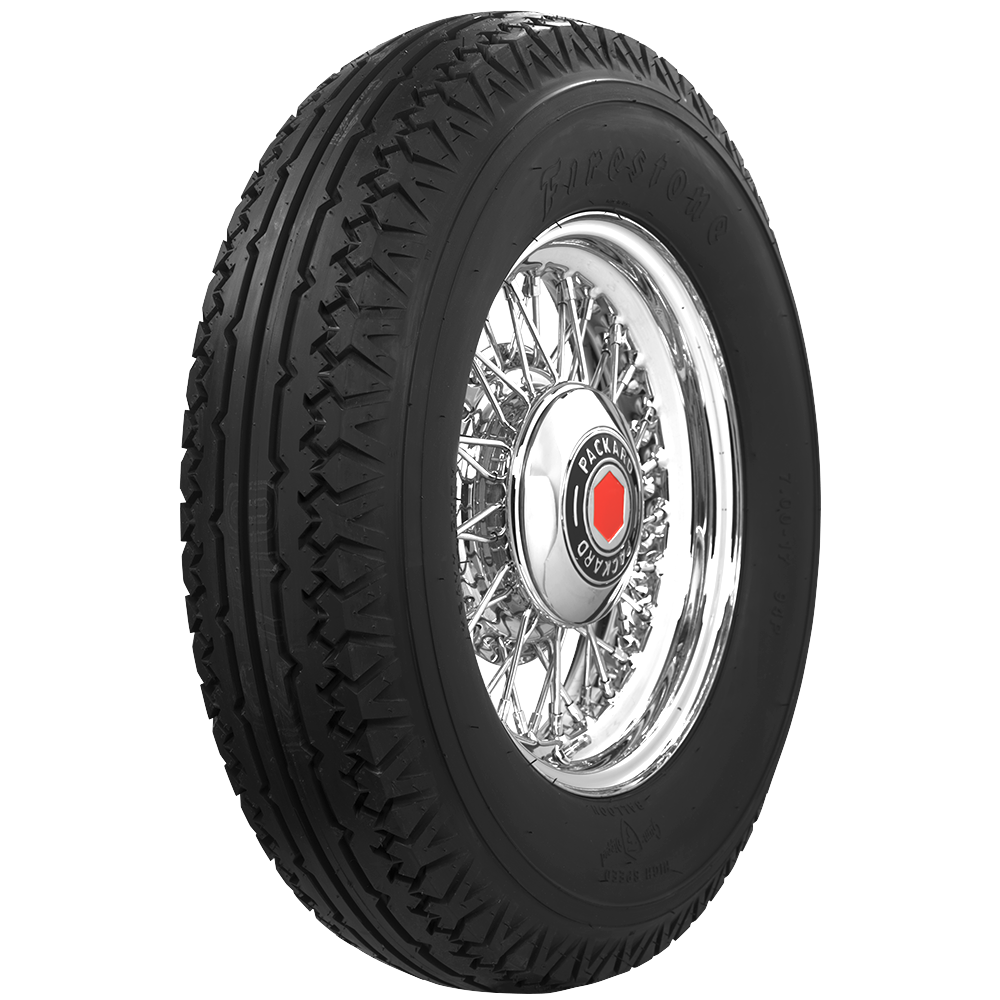
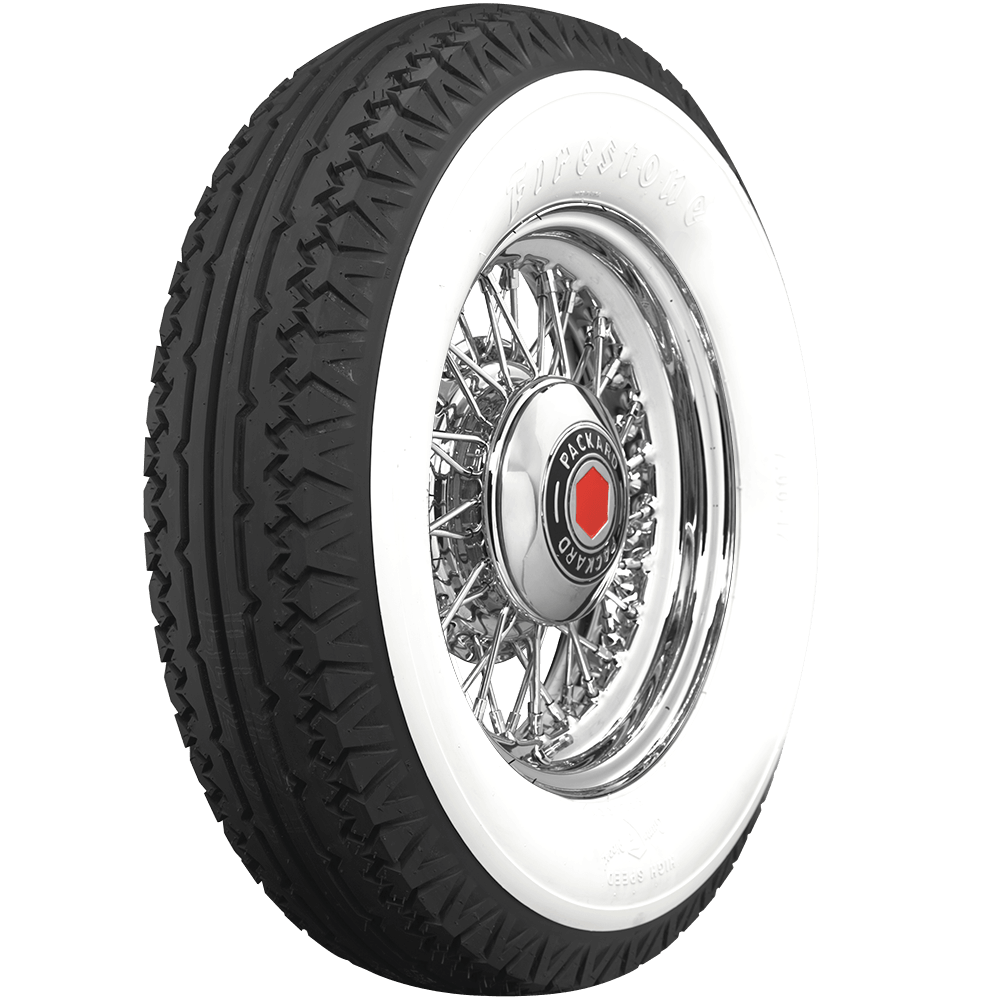
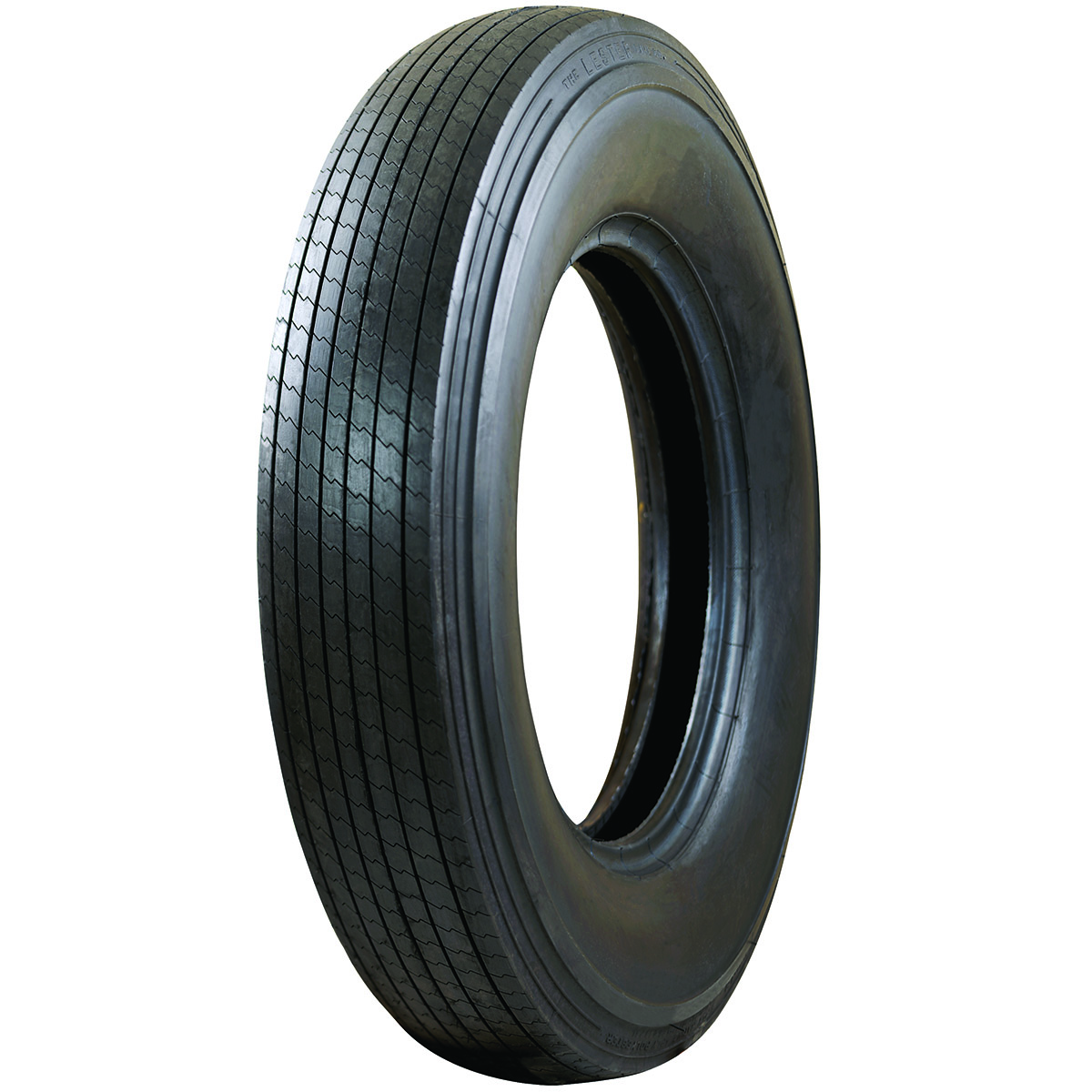
700-18 Transport Highway Blackwall Tire
With its unique rib design for long mileage and cool running over highways, these heavy duty truck tires are superior for light trucks including SUV's, 4x4's, vans, campers and motor homes. The STA Super Transport highway truck tires also features a wide profile that enhances traction and flotation. STA Transport tires are available in 15- through 20-inch sizes. Tread may vary slightly between sizes. Made in USA!
Blackwall Tire
Since the introduction of carbon black rocked the tire industry, the original recipe for most tires has been a solid black sidewall. For classics and collector cars alike, it's hard to beat the no-nonsense appeal of a classic blackwall style tire. British sports car, classic truck and even hot rod enthusiasts love the way a nice period correct blackwall tire looks on their vehicles.
Bias Ply Construction
Bias ply tire construction is a method that was used from the 1900's through the 1970's on passenger cars and light trucks. Bias ply tires feature ply cords that run at a 45 degree angle to the bead, and overlap in a crisscross pattern, depending on how many ply layers are used. This creates a strong tire, but bias ply tires have a tendency to follow breaks or ruts in the pavement. Bias ply tires are the most authentic choice for classic car restorations and traditional hot rod builds. Coker Tire offers a huge variety of bias ply tires for many applications.
STA Transport Highway Tires
STA Transport Highway tires are bias ply tires with a classic highway tread. These tires can be used for trucks or trailers and feature a heavy-duty construction to withstand heavy loads.
Specialty Tires of America
Discover the rugged reliability of STA Super Lug tires, designed to conquer any terrain with confidence. Whether you're tackling off-road adventures or navigating challenging landscapes, the STA Super Lug is your trusted companion. For those seeking a balance of traction and comfort, explore the STA Super Traxion series. These tires are crafted with precision to provide optimal performance on various surfaces, making them a versatile choice for your vehicle. At Coker Tire, we understand the importance of durability and dependability. That's why we proudly offer a wide selection of STA Tires, known for their robust construction and exceptional performance. From off-road enthusiasts to everyday drivers, STA Tires deliver a smooth and reliable driving experience.
Please Note
- Tire mounted on wheel for demonstration purposes only. Wheel and other accessories are not included. Please note that dimensions listed (tread width, section width and overall diameter) are non-scientific and based on an inflated tire, mounted to a wheel. Dimensions may vary due to rim width and inflation pressure.
| SKU | 72816 |
|---|---|
| Weight | 37.000000 |
| Brand | STA |
| Product Size | 700-18 |
| Tube Type or Tubeless | Tube Type |
| Rim Diameter | 18 inch |
| Tire Construction | Bias Ply |
| Tire Series | Transport Highway |
| Sidewall Style | Blackwall |
| Width Bias Ply | 7.00 |
| Max Load Capacity (LBS) | 2350@65 psi |
| Section Width (IN) | 7.3 |
| Rim Width (in) | 6.00 - 6.50 |
| Overall Diameter (IN) | 33 |
| Availability Date | 2026-07-25T00:00:00Z |
This STA Transport Highway comes in the 700-18 size, suitable for the classic and collector vehicles listed below.
About the 700-18 Tire Size
The 700-18 tire size is associated with a range of late-1920s through mid-1930s vehicle applications, including select Chrysler, Auburn, Cord, Pierce Arrow, Stutz, Lincoln, and other period makes. On this product page, the STA Transport Highway is offered in 700-18, and its bias ply construction makes it relevant to vehicles associated with this size. For more detailed information on this tire size, explore the 700-18 tire on Coker Tire Fitment Guide.
Vehicle Fitment for the STA Transport Highway | 700-18
The STA Transport Highway | 700-18 is available in a tire size associated with a range of classic and collector vehicles. The vehicle applications below are organized by year, make, and model to help identify vehicles associated with the 700-18 size. Explore the linked Make & Model and Year Make & Model pages for more detailed fitment information.
Fitment information should be verified for the specific vehicle before purchase. Confirm tire size, wheel fit, load requirements, overall diameter, and available clearance.
1926–19308 makes · 13 fitments
The 1926–1930 period includes 700-18 applications across Chrysler, Kissel, Auburn, Cord, Elcar, Jordan, and Pierce Arrow. These applications show the breadth of vehicles associated with this size during the late 1920s and start of the 1930s.
Chrysler
Chrysler applications in this period include the 80 Series and Imperial.
Kissel
Kissel fitment in this period is represented by the 126.
Auburn
Auburn fitment in this period is represented by the 125WW Series.
Cord
Cord fitment in this period is represented by the L29 Series.
Elcar
Elcar applications in this period include the 130 Series and 140 Series.
Jordan
Jordan applications in this period include the 90 and Z.
Pierce Arrow
Pierce Arrow fitment in this period is represented by the A & B.
1931–193514 makes · 31 fitments
The 1931–1935 period includes a broad range of 700-18 applications spanning Cadillac, Buick, Cord, Lincoln, Marmon, Nash, Pierce Arrow, Reo, Stutz, and several other makes. This period represents the widest concentration of vehicles associated with the 700-18 size.
Cadillac
Cadillac fitment in this period is represented by the V8.
Cord
Cord applications in this period include the L29 Series and F200 Series.
Elcar
Elcar applications in this period include the 130 Series and 140 Series.
Jordan
Jordan fitment in this period is represented by the Z.
Kissel
Kissel fitment in this period is represented by the 126.
La Salle
La Salle fitment in this period is represented by the 340.
Marmon
Marmon applications in this period include the 16 Series and V16.
Pierce Arrow
Pierce Arrow applications in this period include the 41 & 42 Series, 52 Series, and 53 Series.
Reo
Reo applications in this period include the Royale, 52 Series, and 8 Cyl.
Buick
Buick applications in this period include the 80 Series and 90 Series.
Lincoln
Lincoln applications in this period include the V8, 125 HP, and 136.
Nash
Nash applications in this period include the 1090 and Ambassador.
Stutz
Stutz applications in this period include the SV & DV, SV16, and DV32.
Duesenberg
Duesenberg fitment in this period is represented by the 8 Cyl.
Frequently Asked Questions
Fitment & Compatibility ▼
Will STA Transport Highway 700-18 fit a 6.00 or 6.50 inch wheel correctly? ▼
STA Transport Highway 700-18 lists an approved rim width range of 6.00 to 6.50 inches, so both sizes are within the intended operating window. A 6.00-inch wheel generally gives a slightly rounder tread crown and a little more sidewall bulge. A 6.50-inch wheel tends to flatten the tread profile and can sharpen steering response slightly.
Staying inside the listed wheel range helps preserve bead seating, tread contact, and predictable wear. Using a wheel narrower or wider than the stated range can distort the contact patch and change handling feel. Before mounting, also confirm wheel condition, bead seat integrity, and correct tube compatibility for safe service.
Will STA Transport Highway 700-18 change steering effort on manual steering vehicles? ▼
Bias ply truck tires can feel heavier at low speed than narrower or smaller alternatives, especially on manual steering vehicles. The combination of 33-inch diameter and a heavy-duty carcass can increase parking-lot steering effort. If your current tires are smaller or lower load designs, steering weight may be more noticeable during tight maneuvers.
Once moving, steering usually lightens, but bias ply construction may still track road grooves more than a radial tire. Proper inflation is important because underinflation increases scrub and effort. If easy city maneuvering is the top priority, expect different behavior than a modern passenger radial, even when fitment dimensions are correct.
Tire Size Equivalents & Conversions ▼
What modern size is closest to STA Transport Highway 700-18? ▼
STA Transport Highway 700-18 uses an older numeric sizing system, so there is not always one perfect modern metric equivalent. The key reference points shown are a 33-inch overall diameter and 7.3-inch section width. Any modern comparison should match both dimensions as closely as possible rather than relying on width alone.
Many modern tires with similar diameter may be significantly wider, which can increase steering effort and reduce clearance on vintage vehicles. Others may match width but be shorter, changing stance and gearing. The smartest path is comparing your current tire’s measured diameter, width, and wheel width requirement against the listed STA dimensions.
Will switching to STA Transport Highway 700-18 affect speedometer accuracy? ▼
Yes, any diameter change can affect speedometer accuracy because the tire travels a different distance per revolution. If STA Transport Highway 700-18 is taller than your current tire, the vehicle may be moving faster than the indicated speed. If it is shorter, the opposite happens.
The amount of change depends on the exact diameter difference between old and new tires. Even small changes become noticeable over highway distances. Owners using mechanical speedometers in vintage vehicles often recalibrate gears or simply note the correction factor. Checking with GPS after installation is an easy real-world verification method.
Performance & Use Case ▼
How will STA Transport Highway 700-18 drive on paved highways? ▼
STA Transport Highway 700-18 is marketed for highway mileage and cool running, which suggests a tread pattern intended for sustained paved-road use. Rib-style designs typically track straighter and create less tread movement than deep lug tires. That can make cruising feel steadier and more efficient on long road trips.
Because the tire uses bias ply construction, steering feel will not mimic a modern radial. Expect more sensitivity to pavement grooves and a classic on-center feel rather than sharp modern precision. Proper alignment and inflation play a major role in highway manners, especially on older suspensions.
Is STA Transport Highway 700-18 suitable for off-road or muddy use? ▼
STA Transport Highway 700-18 is presented as a highway tire, not a dedicated mud or severe-terrain tire. The rib-oriented tread favors paved-road mileage and cooler running more than deep-soil bite. For occasional gravel roads or light unpaved access, it can still be practical within sensible limits.
If regular mud, rocks, or aggressive trail use is the main mission, a lug-focused design is usually the better match. Choosing a tire aligned with actual use prevents disappointment. Buyers wanting classic highway road manners should view the STA tire differently than an off-road traction tire.
Construction, Durability & Load Capacity ▼
Is the 2350 pound load capacity enough for my vehicle? ▼
The listed maximum load capacity is 2350 pounds at 65 psi per tire. Multiply tire capacity across the number of tires supporting the vehicle, then compare against actual axle weights rather than empty curb weight alone. Cargo, passengers, tools, and camper equipment all matter.
The safest method is weighing the vehicle as used, front and rear separately if possible. Tire capacity should comfortably exceed real operating loads. If the vehicle regularly carries heavy payloads, this step is essential. Load ratings should guide decisions more than appearance or anecdotal fitment stories.
Is there a speed rating for STA Transport Highway 700-18? ▼
The provided page lists load capacity but does not show a specific speed rating. When a formal speed symbol is not listed, owners should treat the tire as a vintage-style utility tire and drive with conservative expectations rather than assuming modern high-speed capability.
Highway use is part of the stated purpose, but sustained speed, heat, and load always interact. Older vehicles also have braking, steering, and suspension limits independent of the tire. Safe cruising within the vehicle’s realistic operating envelope is the best approach when no explicit speed symbol is provided.
Installation & Maintenance ▼
Does STA Transport Highway 700-18 require a tube? ▼
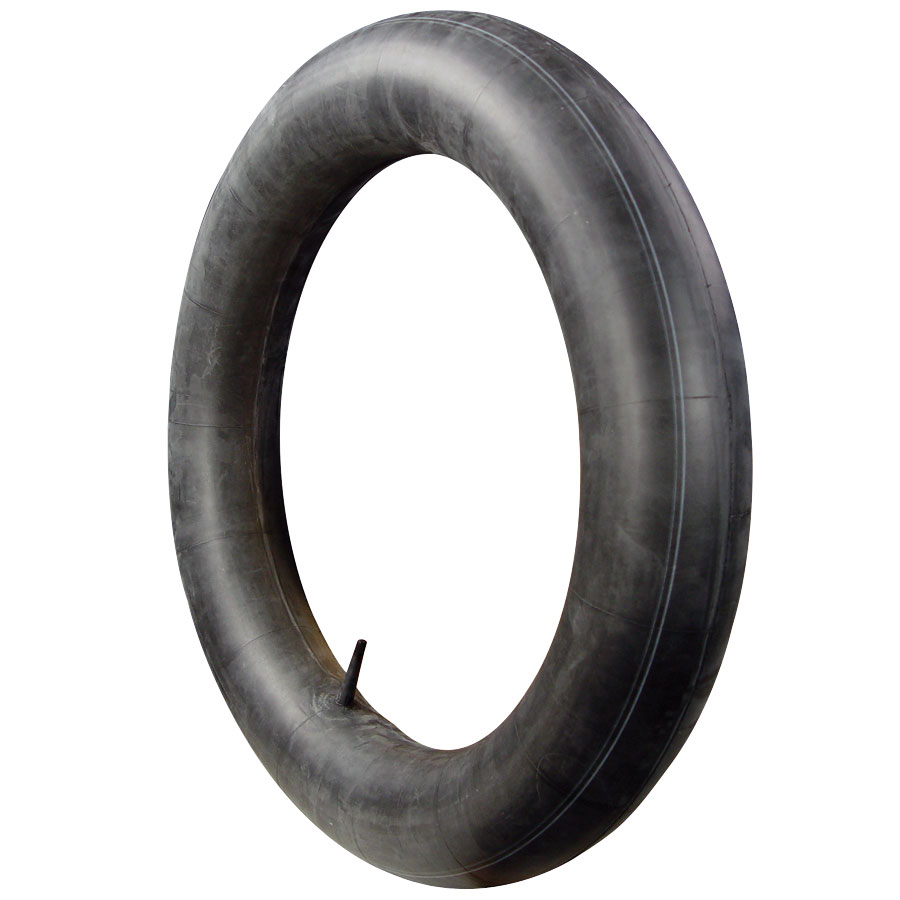
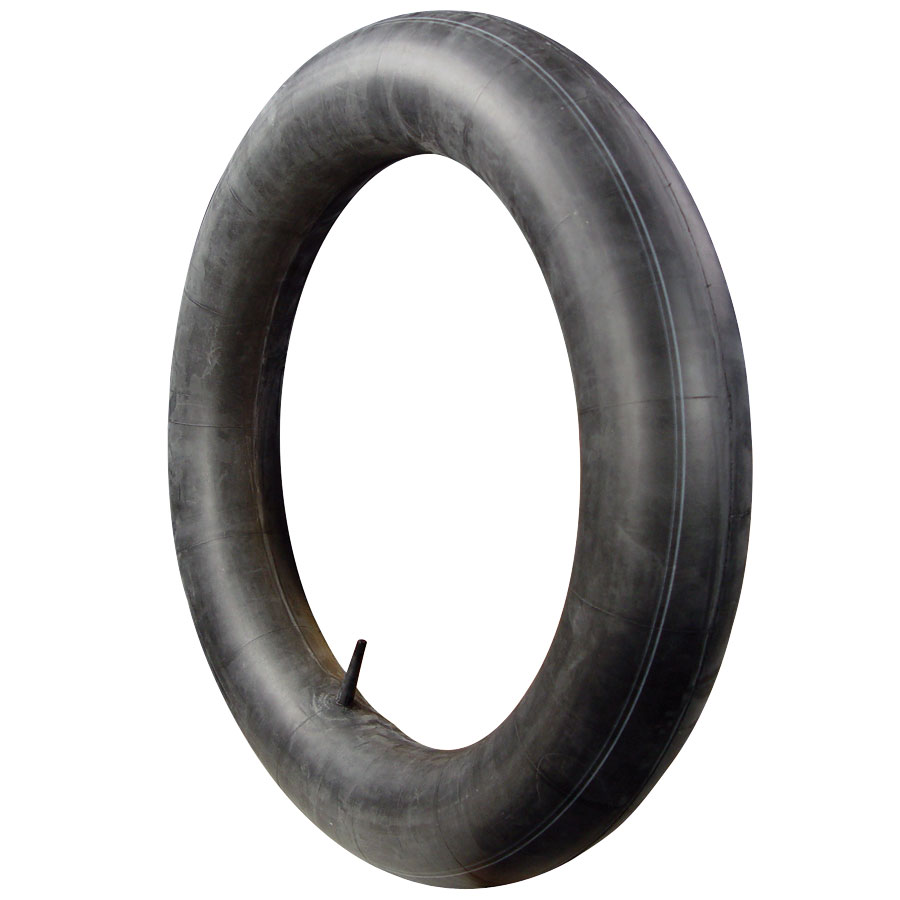
Yes. The product page clearly identifies STA Transport Highway 700-18 as a tube-type tire. That means a compatible inner tube is required, and the wheel should be suitable for tube service. Using the correct tube stem style for the wheel is also important for reliable sealing and serviceability.
During installation, inspect the inside of the wheel for rust, burrs, cracks, or debris that could damage the tube. Many tube-type setups also benefit from a flap or liner when specified. Clean wheel surfaces and careful mounting technique reduce pinch damage and premature tube failure.
Should STA Transport Highway 700-18 be rotated regularly? ▼
Rotation can help equalize wear when front and rear axles place different demands on the tire. Steering axles often scrub differently than driven axles, and classic trucks with heavy front ends may show distinct wear patterns over time.
Use a rotation plan appropriate for directional setup, wheel offsets, and vehicle type. Also inspect tubes, wheel hardware, and brake components whenever assemblies are removed. Rotation is not mandatory on every low-mile collector vehicle, but it is beneficial for regularly driven vehicles seeking maximum service life.
Write Your Own Review
OTHER STUFF YOU MAY LIKE
Check items to add to the cart or
More Tires This Size