

FEATURED NEW PRODUCTS

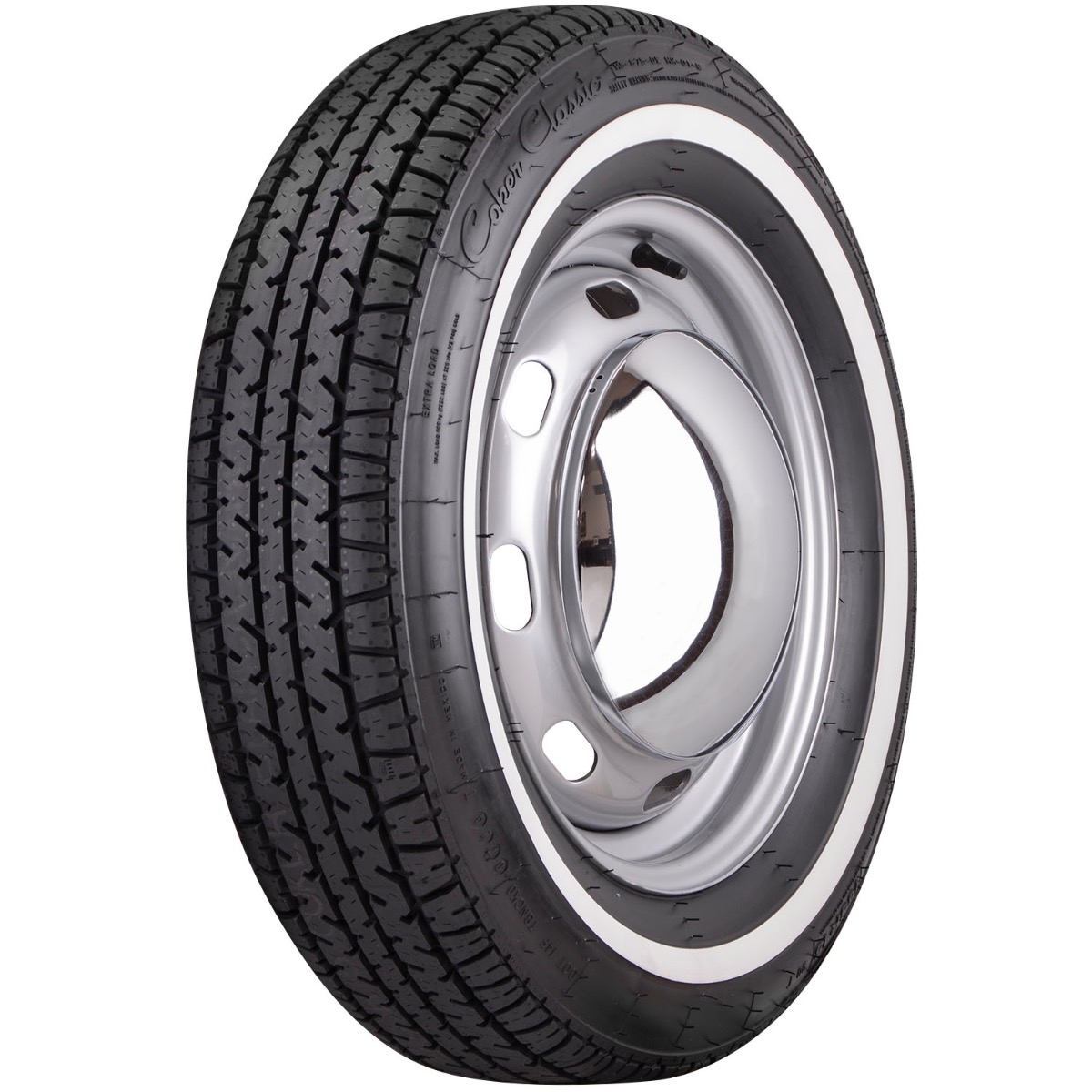
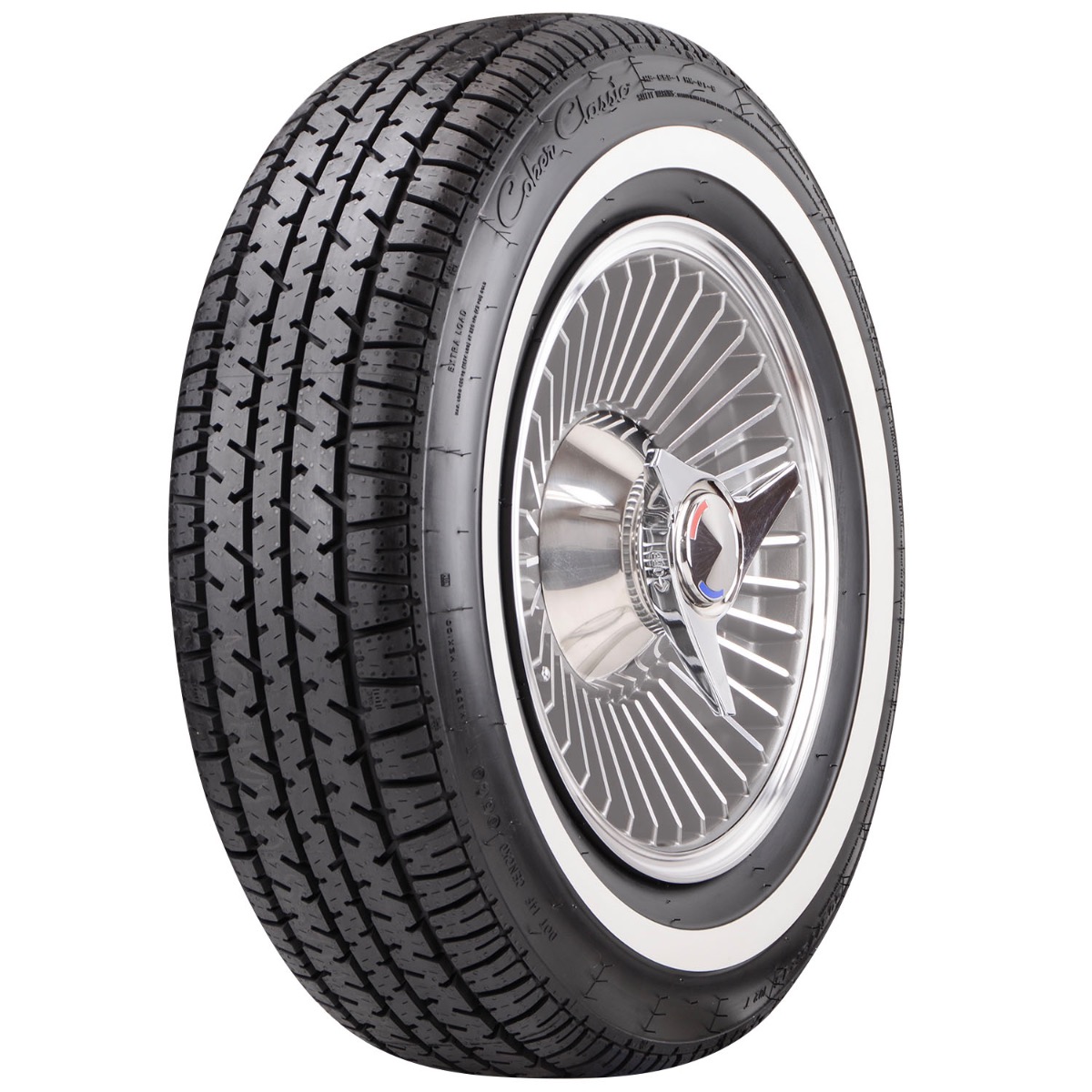
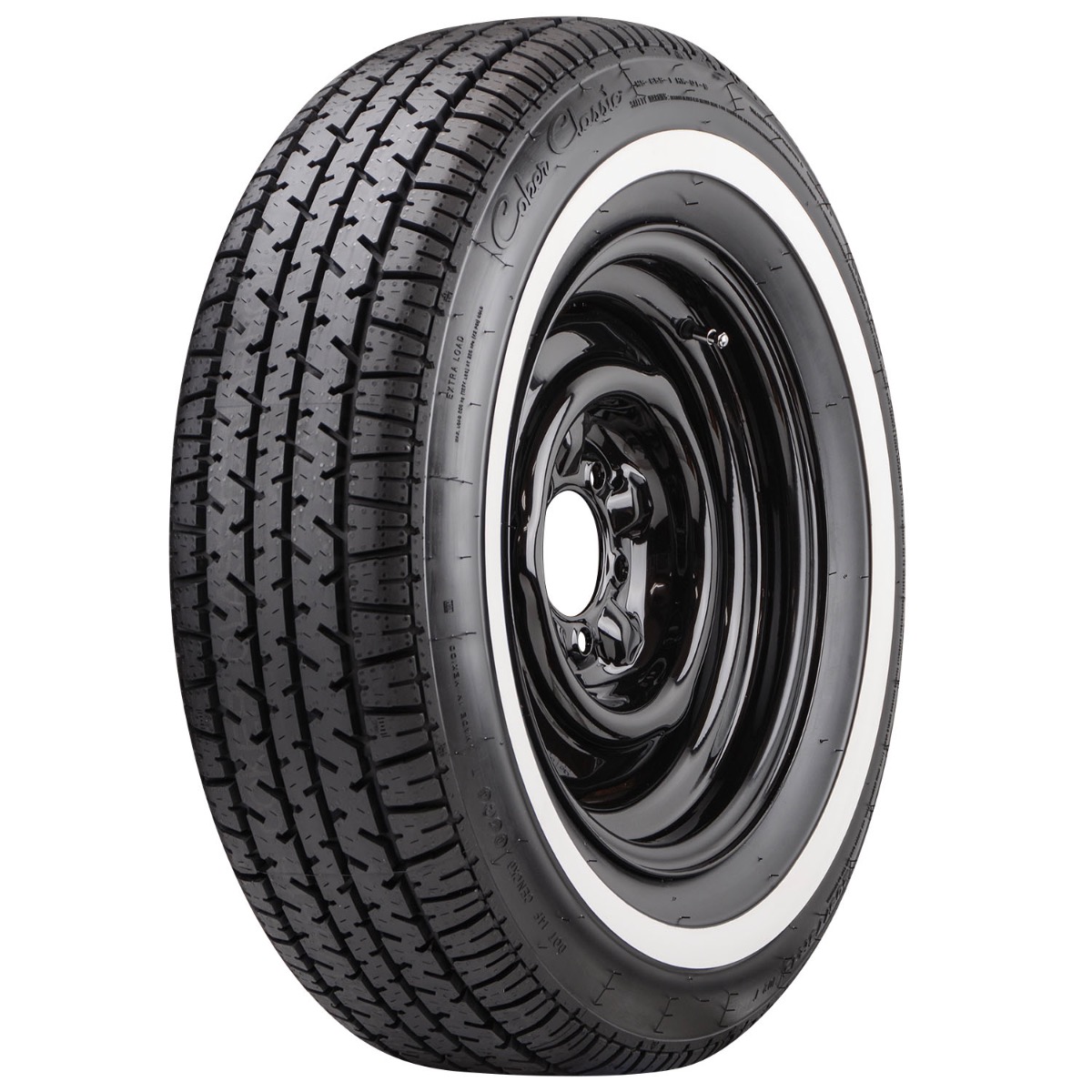


Classic Whitewall Tires
Whitewall tires have reached iconic status on classic vehicles of the fifties and sixties, but did you know that whitewalls were optional and sometimes not optional on cars and trucks from the twenties, thirties and forties, too?
Life of Tread Warranty
Our tires are guaranteed to be free from defects in workmanship and materials for the life of the tread, some exclusions apply. Adjustment is made on a prorated basis (you pay for tread wear used). We are not responsible for tire and tube failure due to improper mounting, mechanical failure, or improper alignment of the vehicle. Coker Tire does not offer any guarantee of fitment for any particular purpose and limits its liability to the purchase price of the item. All tires and tubes should be installed by properly trained individuals. Warranty returns also require an RMA number. Some exclusions apply.
Our Life of the Tread Warranty is the best in the industry.
Frequently Asked Questions
Appearance & Styling ▼
What vehicles are classic whitewall tires typically used on? ▼
Whitewall tires are most commonly associated with American cars and trucks from the 1920s through the 1960s. They were especially prominent on full size sedans, luxury models, and many factory equipped vehicles during the 1950s and early 1960s. Some prewar vehicles also featured wide whitewalls, while later muscle era cars often shifted toward narrower white stripes.
On this whitewall tires category page, you will find options suitable for passenger cars, classic trucks, and certain European applications. The correct whitewall style depends on the era, trim level, and intended look, whether you are restoring to factory appearance or building a period inspired cruiser.
What is the difference between narrow, wide, and double whitewall styles? ▼
The main visual difference lies in the width and placement of the white band on the sidewall. Narrow whitewalls and pin white stripes typically reflect late 1960s and 1970s styling trends, while wide whitewalls were more common in the 1940s and 1950s. Double whitewalls and balloon styles are often associated with earlier prewar applications.
Whitewall width does not affect overall diameter, section width, or aspect ratio. However, it significantly changes the visual balance between the tire and wheel. Choosing the correct whitewall width ensures the sidewall profile complements the vehicle’s body lines and maintains the intended period aesthetic.
Are whitewall tires available in both bias ply and radial construction? ▼
Yes. This whitewall tires category includes bias ply, bias look radial, and true radial construction options. Bias ply tires replicate original construction methods with crisscrossed internal plies, while radial tires use perpendicular steel belted construction for improved stability and ride comfort.
Bias look radial tires combine a radial internal structure with a vintage style sidewall profile. This allows owners to retain a period correct appearance while benefiting from a more modern contact patch and improved highway drivability. Construction type influences ride feel more than appearance alone.
Ride, Durability & Performance ▼
Do whitewall tires ride differently than blackwall tires? ▼
The presence of a whitewall does not change ride quality by itself. Ride characteristics are determined by construction type, overall diameter, aspect ratio, and internal structure rather than sidewall color or styling.
However, many whitewall tires in this category are offered in both bias ply and radial construction. Radial versions typically provide a larger contact patch and more stable highway tracking, while bias ply tires deliver a period correct ride feel with more sidewall flex.
How do bias ply whitewall tires feel compared to radial whitewalls? ▼
Bias ply whitewall tires tend to have a more compliant sidewall and can follow road crown more noticeably. Steering effort may feel heavier at low speeds, and handling characteristics reflect the technology used in mid century vehicles.
Radial whitewall tires generally offer improved straight line stability and reduced wandering at interstate speeds. They often run cooler due to their internal construction, which can improve durability during extended highway driving. The choice depends on whether authenticity or modern road manners are the priority.
Does whitewall width affect performance? ▼
Whitewall width does not directly affect grip or handling. Performance differences come from overall tire dimensions, section width, and construction type rather than the white band itself.
However, vehicles originally designed for narrower section widths may experience increased steering effort if fitted with wider radial options. Changes in section width can also influence speedometer accuracy if the overall diameter differs from factory specifications.
Fitment and Compatibility ▼
How important is wheel width compatibility? ▼
Wheel width compatibility is crucial for optimal tire performance. Mounting a tire on a wheel that’s too narrow or too wide can distort the sidewall shape, affecting handling, grip, and overall ride quality.
To ensure the best fit, always check the recommended wheel width range for the specific tire. Proper compatibility ensures even tread wear and avoids issues like rubbing during suspension compression or full steering lock. This not only improves safety and handling but also preserves the integrity of the tire and vehicle. Maintaining the correct wheel width for your whitewall tires is essential for reliable performance and longevity.
Can I mix radial and bias ply whitewall tires on the same vehicle? ▼
Mixing radial and bias ply construction on the same axle is not recommended. Differences in sidewall stiffness and handling characteristics can create unpredictable steering behavior.
If mixing constructions front to rear, consult manufacturer guidance and prioritize stability. Most restorers prefer uniform construction for consistent handling and predictable road response, especially at highway speeds.
Are tube type and tubeless considerations relevant for whitewall tires? ▼
Yes, tube type and tubeless considerations are important for whitewall tires. Some classic vehicles were originally designed to use tube type wheels, while others support tubeless tires. It’s essential to verify whether your wheel requires an inner tube or if it’s compatible with tubeless mounting.
Improper tire mounting can lead to air retention issues, potential leaks, or even damage to the whitewall surface. Always ensure compatibility between the tire’s construction and your wheel type to maintain safety, performance, and preserve the aesthetic of the whitewall design. This step is crucial for both functionality and the longevity of your tires.
Authenticity and Period Correct Styling ▼
Were whitewall tires factory correct in the 1950s and 1960s? ▼
Whitewall tires were widely offered during the 1950s and early 1960s, often as optional equipment on American passenger cars. Wider whitewalls were especially common on luxury and premium trim packages.
By the late 1960s, styling trends shifted toward narrower white stripes. Selecting the correct whitewall width from this category helps maintain visual accuracy for a specific era and trim level.
Are alphanumeric whitewall tires period correct for muscle cars? ▼
Alphanumeric sizing became common in the late 1960s and 1970s. Narrow whitewalls or pin white stripes were often paired with muscle era styling.
When restoring a muscle car, consider whether the original factory trim favored white stripes, raised white letters, or blackwalls. This category includes options that align with that transitional styling period.
How do whitewall widths signal different decades? ▼
Very wide whitewalls are strongly associated with the late 1940s and 1950s. Narrow white stripes generally indicate late 1960s and early 1970s styling cues.
Matching whitewall width to the production year ensures cohesive appearance. The correct selection reinforces the intended era without overpowering the wheel design or body lines.
Were whitewalls optional or standard equipment? ▼
Whitewalls were often optional equipment and varied by manufacturer and trim level. Some luxury vehicles featured them prominently, while economy models frequently came with blackwalls as standard.
Consult original factory documentation when striving for strict authenticity. The whitewall tires category provides multiple styling widths to reflect these historical variations.
Can whitewall tires be used on classic trucks? ▼
Yes. Many classic American trucks from the 1940s through the 1960s were fitted with whitewall tires, particularly in higher trim levels or showroom presentation builds.
The appropriate whitewall width depends on the truck’s era and intended look. Maintaining correct overall diameter and load rating is essential for preserving both appearance and functionality.
Maintenance and Longevity ▼
How should I clean whitewall tires? ▼
To clean whitewall tires, use non-abrasive cleaners designed specifically for white sidewalls. Avoid harsh chemicals or solvents, as they can discolor or damage the white rubber.
Regular cleaning is important to prevent brake dust and road grime from embedding in the surface. Use a soft-bristled brush for gentle scrubbing, focusing on the white band to maintain its crisp appearance. By cleaning your whitewall tires regularly, you preserve their aesthetic and ensure they remain in great condition, contributing to both the look and longevity of your tires.
Can improper alignment damage whitewall tires? ▼
Yes, improper alignment can damage whitewall tires. Misalignment causes uneven tread wear and places added stress on the sidewalls, which can lead to distortions in the whitewall’s appearance over time.
Regular alignment checks are essential to ensure even contact patch distribution across the tire. This not only improves tire longevity but also ensures consistent handling performance. By maintaining proper alignment, you prevent unnecessary wear and help preserve the aesthetic integrity of your whitewall tires.
When should whitewall tires be replaced? ▼
Whitewall tires should be replaced when the tread depth reaches the minimum safe levels or if there is visible cracking or structural damage.
Even if the tread still appears sufficient, age-related degradation can impact performance, including reduced traction and compromised handling. Regular inspections are crucial to ensure continued safety, preserve the vehicle's appearance, and maintain optimal drivability. By replacing tires at the right time, you ensure both performance and aesthetics are upheld, keeping your whitewalls in top condition.