
Drag Tires

Filter By
Drag Tires
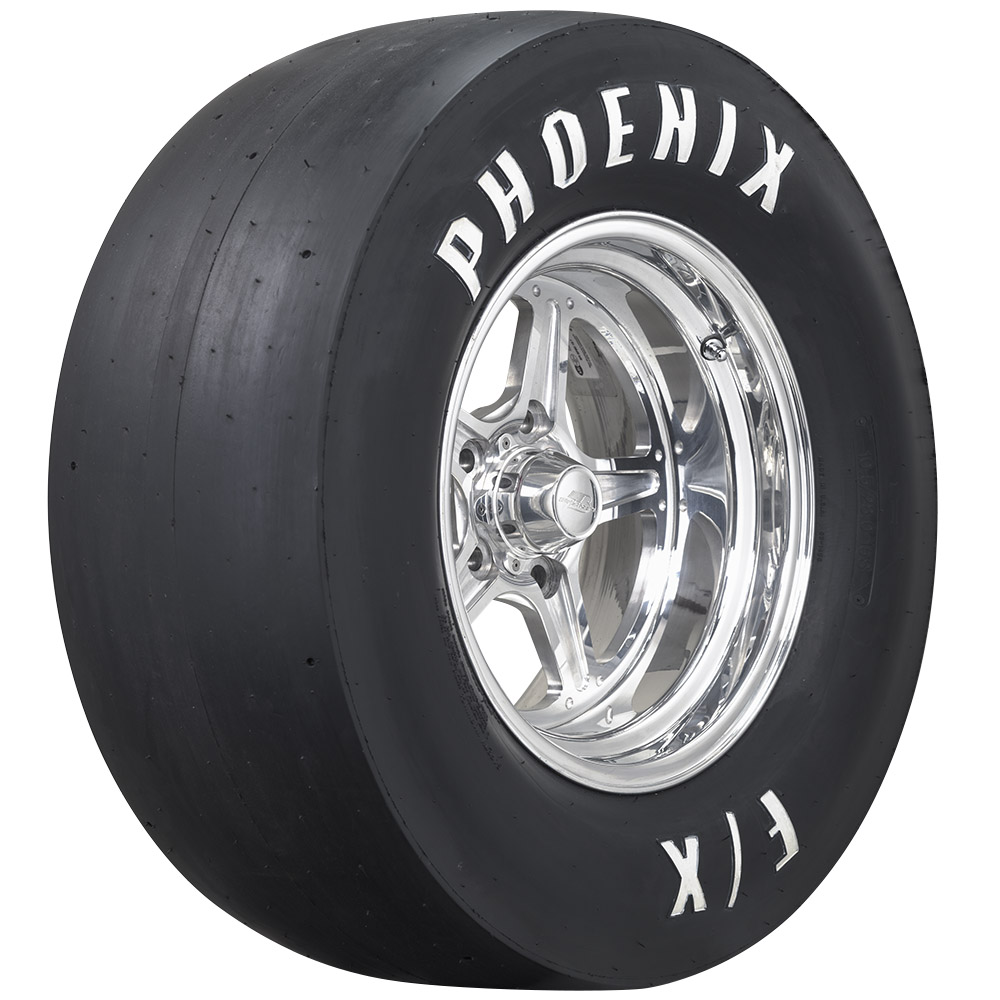
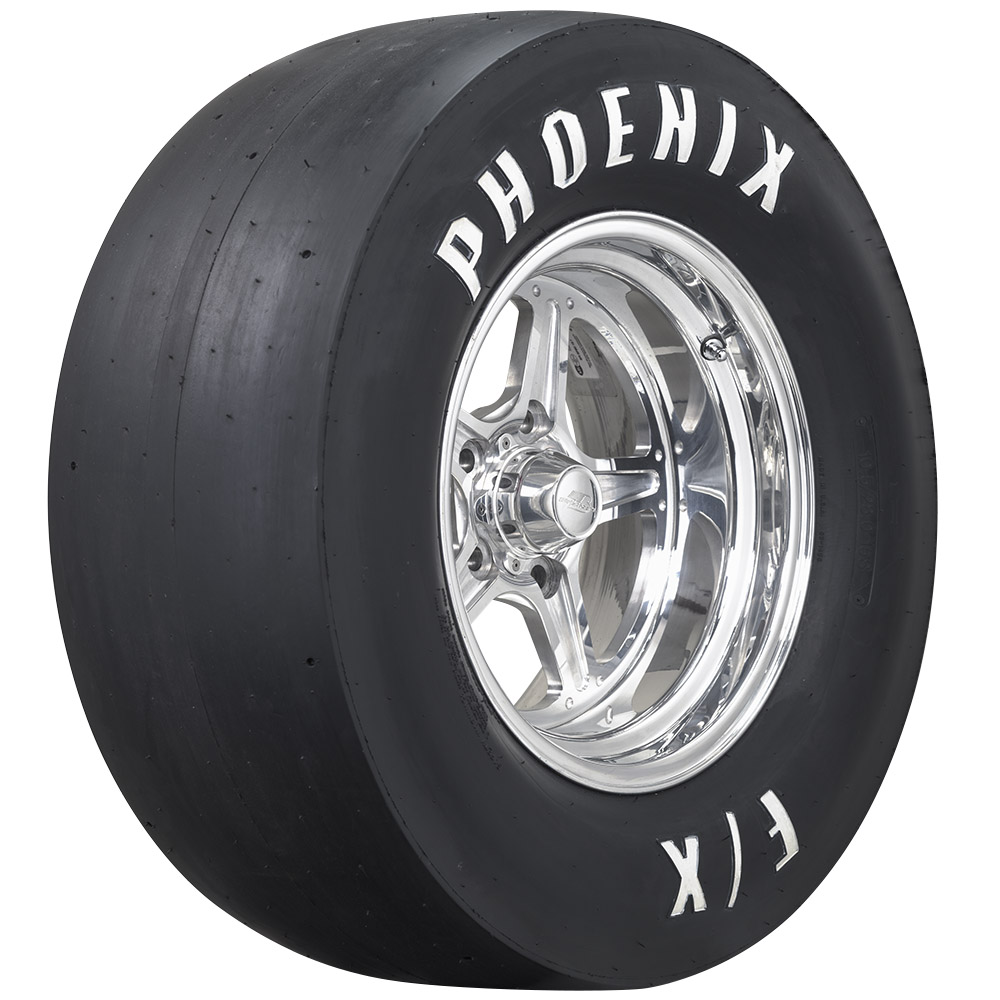
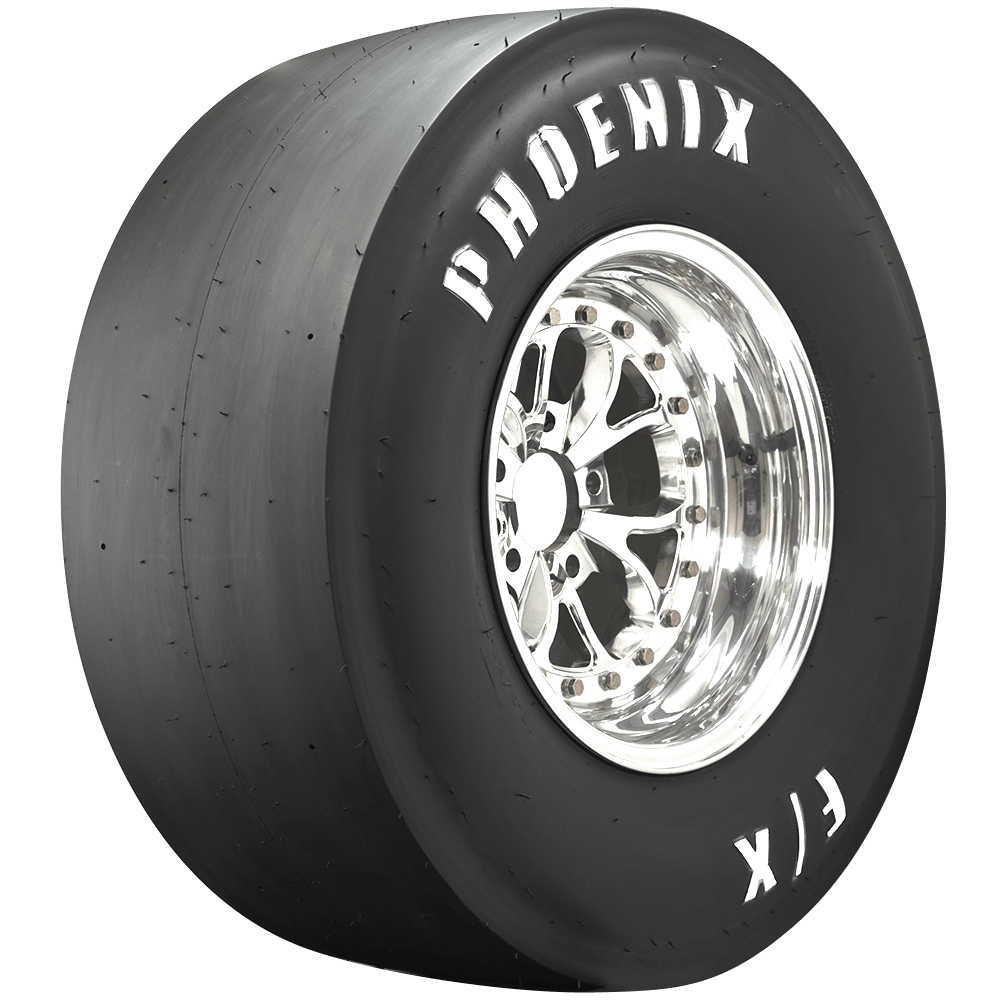
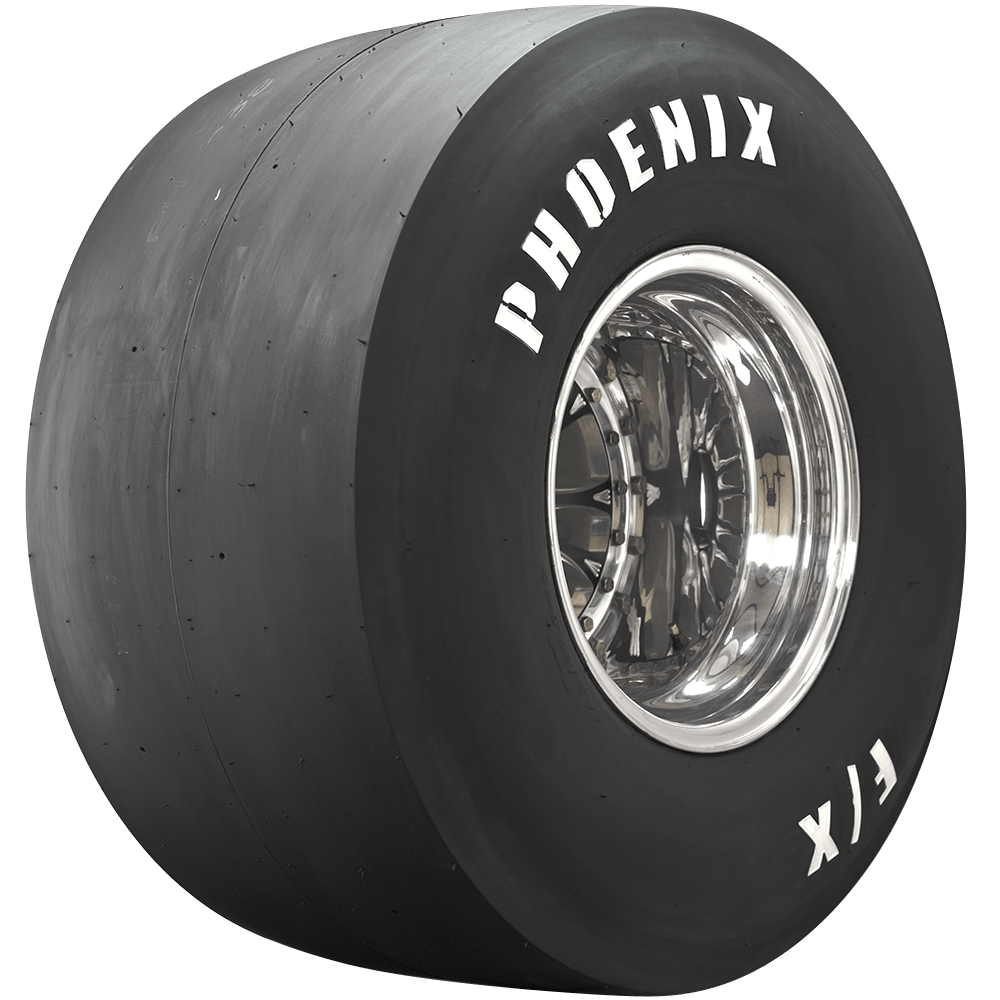
With drag tires for all years, makes and models, Coker Tire is your source for front runner tires, drag radials, drag slicks, DOT-approved cheater slicks and more! Coker Tire's line of drag tires includes the popular Phoenix Race Tires brand, which is catered to all out racers who are striving for consistency and predictability in their drag car.
With Firestone heritage, the Phoenix brand is a favorite for sportsman drag racers, while the M&H Racemaster brand has a deep history of its own, as it was the first company to offer purpose-built drag slicks, way back in the 1950's. The extremely diverse M&H tires product line covers all types of drag racing, from high performance street cars to all out race cars and just about anything in between. Coker Tire also offers period correct tires for gassers, muscle cars and hot rods, within the Pro-Trac Performance and Firestone Dragster slicks product lines.

Get A Grip
M & H Racemaster Tires
The M&H Racemaster tire brand has deep roots in the drag racing world, and Coker Tire is your source for the longstanding tire brand. Despite its history, M&H also develops a number of modern drag racing tires, from DOT approved drag radials to 17 " front runner tires for use on modern muscle cars with big brakes. Coker Tire also offers M&H vintage drag slicks in several sizes to fit Nostalgia Super Stock cars, Nostalgia Funny Cars, Nostalgia Top Fuel Dragsters, gassers, hot rods and much more. Among the immense M&H Racemaster product line are drag slicks and drag radials to fit sport compact cars, modern sports cars and more, so Racemaster tires reach a wide variety of applications, in addition to its faithful customers with a nostalgia drag car in their garage.
Phoenix Drag Race Tires
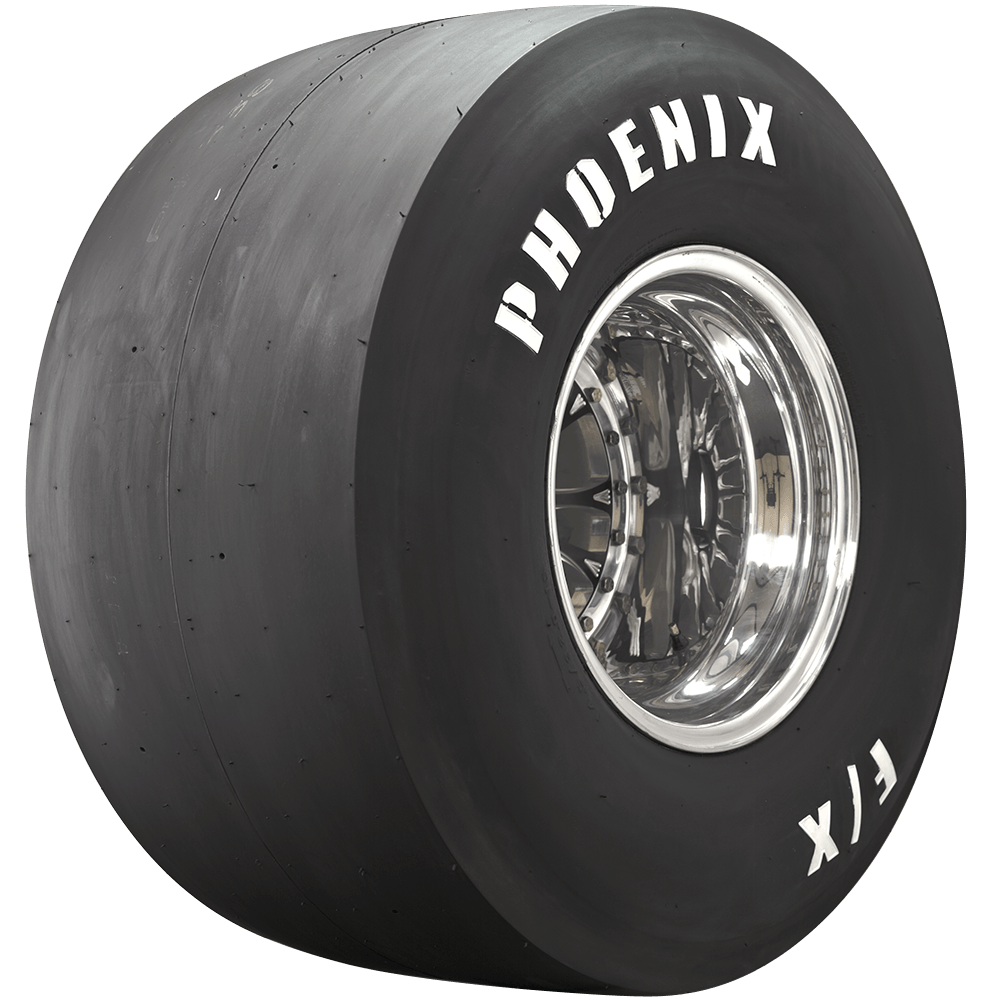
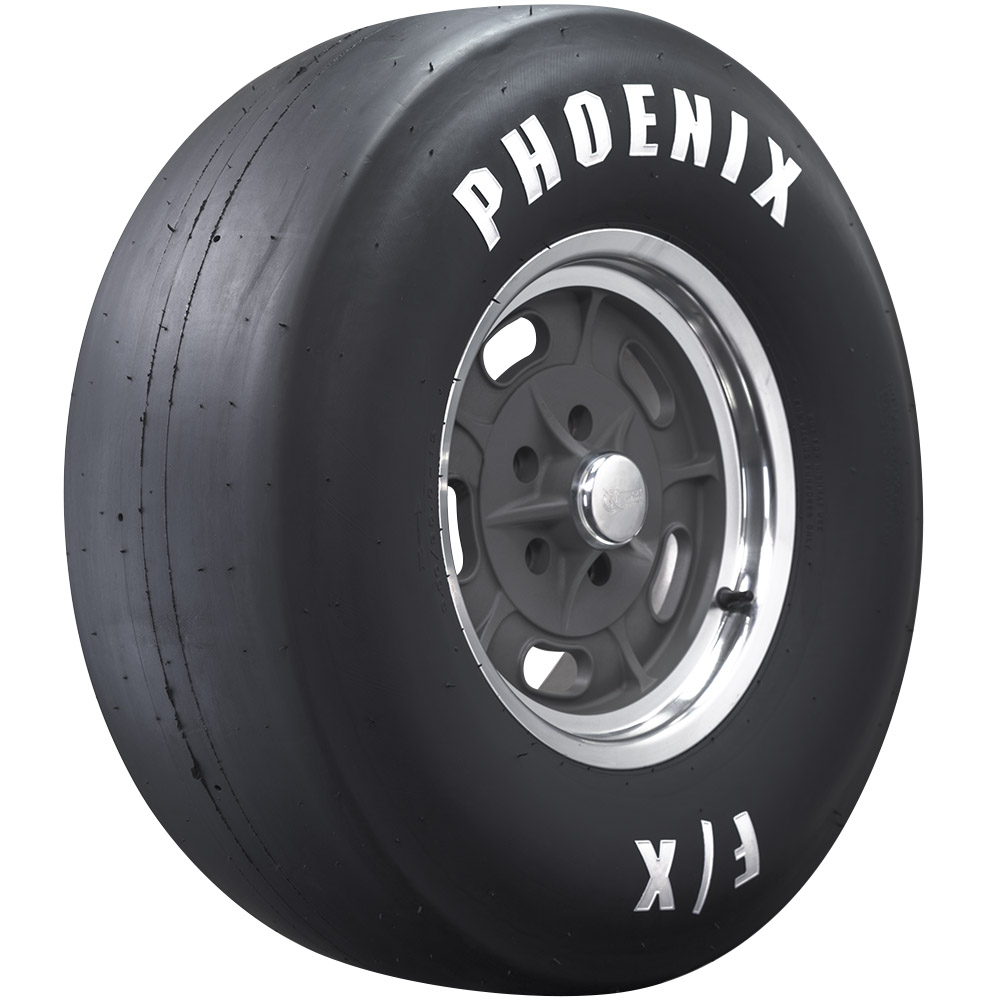
Born of Firestone heritage, Phoenix drag race tires are available in many sizes for the front and rear of modern and nostalgia drag cars. With popular compounds and a wide variety of fitments, the Phoenix product line is a great choice for Sportsman drag racers who are looking for the extra edge on the competition. Phoenix offers drag slicks in bias ply and radial construction, as well as DOT approved front runners to fit 15- and 17-" wheels. Phoenix drag race tires are made in the USA, and provide big time traction for bracket racers, including door slammers and dragsters, as well as the wheels up world of NHRA Super Stock drag racing.
Frequently Asked Questions
Fitment & Compatibility ▼
How do front runner tires differ in fitment compared to rear drag tires? ▼
Front runner tires are significantly narrower and lighter than rear drag tires. Reduced section width minimizes rolling resistance and weight, improving acceleration efficiency during launch. Fitment typically requires narrow wheels and adequate clearance for steering components.
Rear drag tires are wider and designed to maximize contact patch under acceleration. Fitment must consider wheel width compatibility and suspension clearance during compression. Mismatched setups can lead to instability, so proper pairing of front and rear tire configurations is critical for balanced performance.
What role does overall diameter play in drag tire selection? ▼
Overall diameter directly affects gearing and acceleration characteristics. Taller tires effectively lengthen gearing, which can improve traction but reduce initial launch aggressiveness. Shorter tires increase effective gearing, resulting in quicker acceleration but potentially more wheel spin.
Diameter also impacts speedometer accuracy and shift points. A mismatch between tire diameter and drivetrain setup can cause inconsistent performance. Clearance under suspension compression and wheel wells must also be evaluated, especially in vehicles with limited space or modified ride height.
What should be considered when fitting drag tires on modern muscle cars? ▼
Modern muscle cars often feature larger brake systems, which require larger wheel diameters and limit traditional drag tire options. Radial drag tires are commonly used to accommodate modern suspension geometry and maintain stability at higher speeds.
Fitment must account for brake clearance, electronic stability systems, and wheel width compatibility. Front runner selection also becomes more restrictive due to brake size. Ensuring proper load rating and maintaining correct overall diameter helps preserve drivability and consistent performance.
Tire Construction ▼
What construction types are common in drag tires? ▼
Drag tires are available in bias ply and radial constructions. Bias ply tires are traditional in drag racing and are known for flexible sidewalls that aid in traction during launch.
Radial drag tires offer more stable construction and are commonly used in modern applications. Each construction type serves different performance goals, with bias ply favoring maximum traction and radial offering improved consistency and high-speed stability.
What are DOT-approved drag tires and how are they built? ▼
DOT-approved drag tires include minimal tread patterns to meet road-use regulations while maintaining high traction levels. Construction balances performance and compliance with legal standards.
Such tires often use specialized compounds that provide grip while allowing limited street use. Despite approval, wear rates remain high, and performance is optimized for short bursts rather than long-distance driving.
How does traction compound affect drag tire construction? ▼
Traction compound determines how soft or firm the tire surface is. Softer compounds increase grip but wear faster and are more sensitive to heat cycling.
Compound selection influences performance consistency and durability. Some compounds are designed for specific track conditions, making proper selection important for achieving predictable results across multiple runs.
Performance & Durability ▼
How does inflation pressure impact drag tire performance? ▼
Inflation pressure directly affects contact patch and traction. Lower pressure increases grip by expanding the contact area, especially in bias ply tires.
Improper pressure can lead to instability or excessive wear. Fine tuning pressure based on track conditions is critical for achieving optimal performance and maintaining consistency.
How durable are drag tires under regular use? ▼
Drag tires are not designed for extended mileage. Soft compounds and specialized construction prioritize performance over longevity.
Frequent use outside racing conditions accelerates wear. Durability depends on usage patterns, storage conditions, and heat exposure, making careful handling essential for maintaining performance.
How does track preparation influence drag tire performance? ▼
Track surface condition plays a major role in traction. Well-prepared surfaces enhance grip, especially for radial tires that rely on consistent conditions.
Poor preparation reduces effectiveness, particularly for stiffer constructions. Matching tire type to track condition improves predictability and overall performance outcomes.
Appearance, Styling & Authenticity ▼
How do drag radials differ visually from slicks? ▼
Drag radials include visible tread patterns, while slicks have smooth surfaces. Radials appear more street-oriented compared to pure racing slicks.
Visual differences often indicate intended use. Slicks signal track-only performance, while radials suggest dual-purpose capability.
Installation, Maintenance & Longevity ▼
How should drag tires be stored when not in use? ▼
Drag tires should be stored in a cool, dry environment away from direct sunlight. Temperature control helps preserve compound integrity.
Avoid stacking under heavy loads to prevent deformation. Proper storage extends usability and maintains performance characteristics.
How often should drag tires be inspected? ▼
Regular inspection is important due to high-performance demands. Checking for cracks, wear, and compound changes helps identify issues early.
Inspection frequency increases with usage. Monitoring condition ensures consistent performance and safety.
How should drag tires be maintained between race events? ▼
Cleaning debris and monitoring pressure between runs helps maintain performance. Consistent care prevents compound degradation.
Avoid unnecessary exposure to heat and sunlight. Maintenance routines support reliability across multiple runs.