

Filter By
FEATURED NEW PRODUCTS


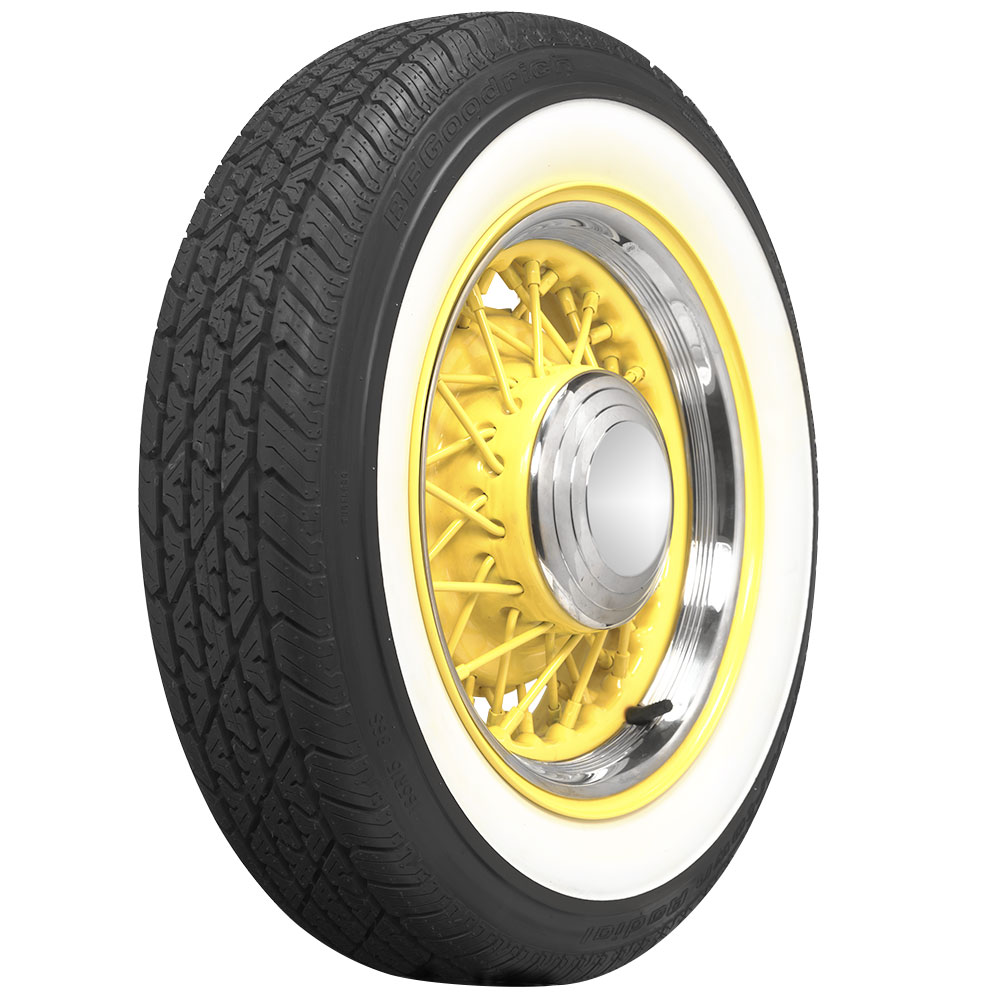
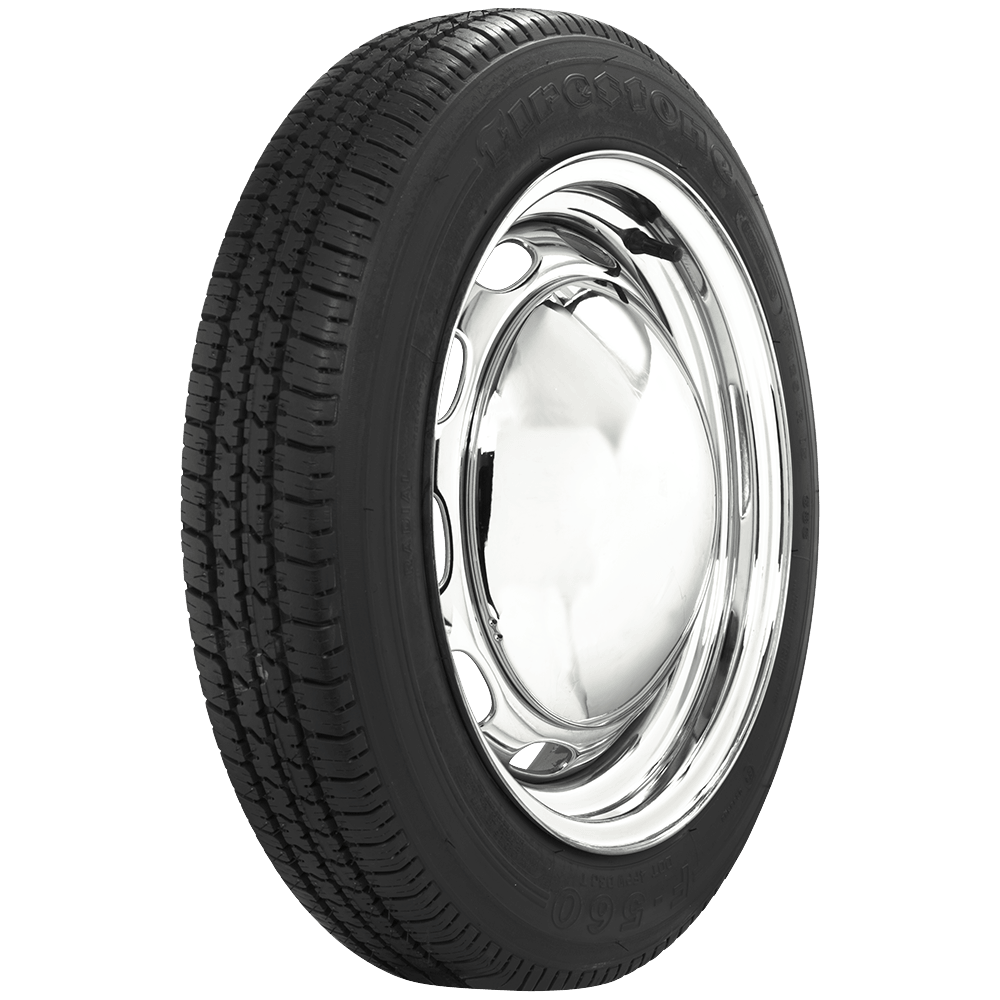
Classic European Automobile Tires
-
 Camac | 145R10$107.00
-
 Camac | 145R14$120.00
-
 Michelin MX | 145R12$96.00
-
 Michelin XZX | 145/70R12$95.00
-
 Michelin XZX | 145SR15 78S$167.00


From Across the Pond
European classic cars have come on strong on American auction blocks in recent years. In particular, the Porsche marque has skyrocketed in value along with other German and the Italian makes. Ferrari has always been prized by collectors, now even certain Alfa Romeo and Fiat models have proven to be good investments, and the list of sought-after European classics is growing quickly.
As makes and models trend up and down with collectors appetites, the consistent thread in well-sold collector cars is authenticity. Restorers are finding that the more factory correct the restoration, the higher the pay day at the auction block. Coker Tire Company offers a great selection of authentic tires for European cars from the early 1900s through the late 1970s.
Shop hundreds of styles, fitments, and accessories online, or speak to one of our Tire Experts if you need assistance.
Frequently Asked Questions
Fitment & Compatibility ▼
What types of vehicles typically use classic European automobile tires? ▼
Classic European automobile tires are designed for vehicles from early 1900s touring cars through late 1970s sports cars and luxury sedans. Common applications include British roadsters, German performance coupes, Italian exotics, and French touring vehicles, each with distinct chassis balance and suspension geometry.
Fitment expectations vary widely across eras. Earlier vehicles often require tall sidewall bias ply tires, while later European cars use lower aspect ratio radials with higher speed ratings. Matching tire type to vehicle era ensures proper stance, handling balance, and drivetrain compatibility without introducing clearance or drivability issues.
How do I determine proper fitment for classic European automobile tires? ▼
Proper fitment begins with understanding original overall diameter, section width, and aspect ratio used by the vehicle. European vehicles were engineered with tight tolerances, so maintaining factory proportions is critical for steering geometry and suspension travel.
Wheel width compatibility also plays a key role. A tire mounted on an incorrect wheel width can distort sidewall profile and contact patch. Attention should also be given to clearance during suspension compression and steering lock, especially on cars with narrow wheel wells or independent suspension systems.
Tire Construction ▼
What construction types are commonly used in classic European automobile tires? ▼
Classic European automobile tires are available in bias ply, radial, and bias look radial constructions. Each type reflects different eras of automotive engineering and driving expectations.
Bias ply tires replicate early designs with flexible sidewalls, while radial tires provide modern stability and heat management. Bias look radials combine vintage appearance with improved internal construction, offering a balanced solution for authenticity and drivability.
What is the purpose of bias look radial tires in European applications? ▼
Bias look radial tires are designed to visually replicate vintage bias ply styling while incorporating radial internal construction. This allows improved drivability without sacrificing period-correct appearance.
Such tires are especially useful for collectors who want modern road manners combined with authentic aesthetics. Benefits include better tread wear, improved heat cycling, and more predictable handling.
How does construction choice affect long-term tire wear? ▼
Radial tires generally offer longer tread life due to even wear patterns and stable contact patch. Bias ply tires may wear unevenly if not properly maintained.
Construction choice should align with intended use. Regular driving favors radial durability, while occasional show or parade use supports bias ply authenticity without significant wear concerns.
Performance & Durability ▼
How does tire choice affect braking performance? ▼
Tire construction and contact patch size significantly influence braking efficiency. Radial tires typically provide shorter stopping distances due to more consistent tread contact.
Bias ply tires may exhibit longer braking distances due to shifting contact patch. Proper selection ensures braking performance matches vehicle capabilities and driving conditions.
How does tire choice influence ride comfort and road noise? ▼
Ride comfort depends on sidewall flexibility and tread design. Bias ply tires offer a cushioned ride, while radials provide smoother, quieter highway performance.
European vehicles often balance comfort and performance, so selecting the right tire helps maintain intended ride quality without introducing excessive noise or harshness.
Appearance, Styling & Authenticity ▼
How important is authenticity when selecting tires for European classics? ▼
Authenticity plays a major role in collector value and visual presentation. Factory-correct tires enhance the overall appearance and historical accuracy of the vehicle.
Many restorers prioritize original specifications to maintain vehicle integrity. Authentic tires also align with suspension and handling characteristics designed by the manufacturer.
How does tire selection impact collector value? ▼
Tire selection influences how a vehicle is perceived in collector markets. Period-correct tires contribute to authenticity, which can affect resale value.
Vehicles equipped with accurate tires often stand out in auctions and shows. Proper selection supports both visual appeal and historical integrity.
Installation, Maintenance & Longevity ▼
What should be considered during installation of classic European automobile tires? ▼
Installation requires attention to wheel condition, correct mounting procedures, and proper balancing. Older wheels may need inspection for corrosion or structural integrity.
Ensuring correct bead seating and alignment helps prevent vibration and uneven wear. Professional installation is recommended for best results.
How often should classic European tires be inspected? ▼
Routine inspection helps identify wear, cracking, or damage. Visual checks should be performed regularly, especially before long drives.
Early detection of issues prevents failure and extends tire life. Inspection is particularly important for vehicles driven infrequently.
How can longevity be maximized for classic European automobile tires? ▼
Longevity depends on proper inflation, alignment, and driving habits. Avoiding excessive speeds and maintaining consistent care improves lifespan.
Regular rotation and inspection help ensure even wear. Proper maintenance supports both safety and long-term performance.