
Boyd Coddington Wheels

Filter By


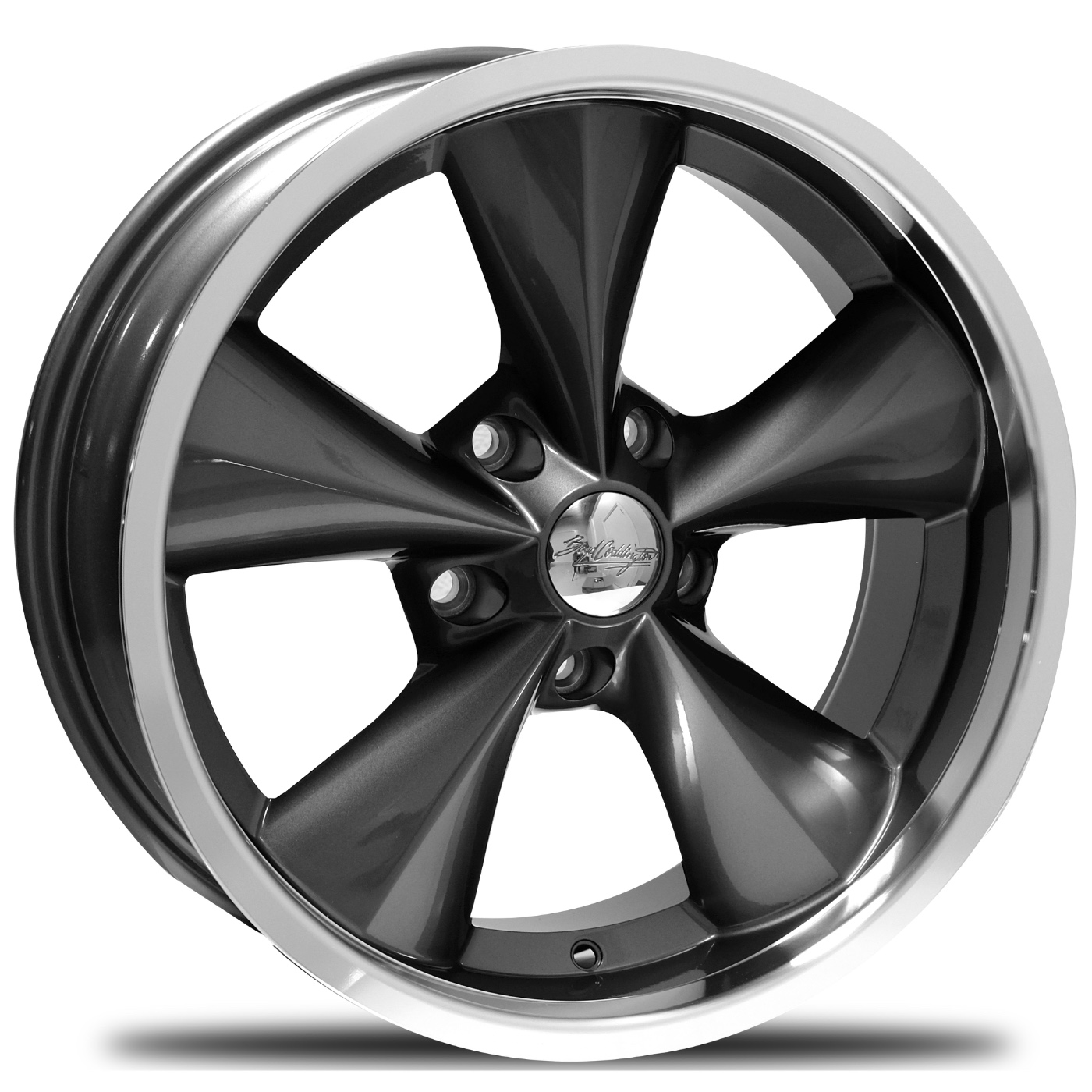


The Boyd Coddington Wheel Story
If you know the Boyd Coddington story, you know that one of his legacies was the creation of a line of wheels designed and built specifically for hot rods, muscle cars and trucks. The Boyd Coddington Wheels story is a continuation of the vision first created by Boyd Coddington. In essence, Boyd believed that custom-built cars deserved custom-built wheels –wheels that you didn’t see at every car show. Today, that tradition lives on. Boyd Coddington Wheels operates out of Long Beach, California, and Knoxville Tennessee. We take pride in representing our famous brand on both the East and West Coast.
Frequently Asked Questions
Purchase Considerations ▼
Will Boyd Coddington style wheels work with my existing tire setup? ▼
Boyd Coddington wheels are available in different diameters and widths, making them suitable for a variety of classic cars, muscle cars and custom builds. However, compatibility with your existing tire setup depends on selecting the correct wheel diameter, width, bolt pattern and backspacing. For example, the Junkyard Dog series includes 15-, 17-, 18- and 20-inch configurations, with individual specifications varying by part number.
Before purchasing, compare your existing tire dimensions with the selected wheel's specifications. Also verify the recommended rim width for your tires, center bore and vehicle mounting requirements to ensure proper fitment.
Are there clearance considerations when installing Boyd Coddington style wheels? ▼
Yes. Clearance depends on the selected Boyd Coddington wheel's diameter, width, offset and backspacing, as well as your vehicle's existing suspension and body configuration. A wider wheel or different backspacing can change how far the wheel sits inward or outward, potentially affecting clearance around the fenders and suspension components.
Check clearance at both full steering lock and throughout suspension travel, rather than relying only on measurements while the vehicle is stationary. Also account for tire section width and overall diameter, since the mounted tire can create additional clearance requirements. Test-fitting before mounting or painting is recommended.
Do Boyd Coddington style wheels work with modified brake or suspension setups? ▼
Boyd Coddington wheels may suit vehicles with modified brake or suspension setups, provided the selected wheel dimensions and mounting specifications are compatible. Important specifications include bolt pattern, backspacing, offset, center bore and wheel diameter. These determine how the wheel sits relative to the hub, brake assembly and surrounding suspension components.
For vehicles with aftermarket disc brakes, upgraded calipers or lowered suspension, verify brake clearance and inner and outer wheel clearance before purchasing. Also consider changes in suspension travel and steering geometry. Compatibility should be confirmed for the exact wheel part number rather than assumed across the entire Boyd Coddington range.
What installation considerations should I know before purchasing Boyd Coddington style wheels? ▼
Before purchasing Boyd Coddington wheels, verify the bolt pattern, wheel diameter, width, backspacing, offset and center bore listed for the specific part number. These measurements determine whether the wheel mounts correctly and sits in the intended position. Also confirm that the selected wheel accommodates your tire size and vehicle specifications.
Coker Tire specifically recommends test-fitting wheels before mounting tires, painting or powder coating them. This is particularly important because wheels that have been mounted, painted or powder coated are considered used and cannot be returned. Confirming fitment beforehand helps identify installation issues before making permanent changes to the wheels.
Appearance & Styling ▼
What defines the look of Boyd Coddington style wheels? ▼
Boyd Coddington style wheels are known for their clean, machined appearance and smooth, sculpted spokes. Unlike traditional steel wheels or vintage wire designs, these wheels emphasize simplicity, symmetry, and precision. The spoke layouts are typically bold and uncluttered, giving the wheel a modern, custom-built feel that stands apart from factory designs.
This style reflects the influence of billet aluminum craftsmanship that became popular in the street rod and custom car scene. Enthusiasts often associate these wheels with high-end builds where detail and finish quality matter. The overall look is intentional and refined, designed to complement custom bodywork and upgraded drivetrains without appearing overly busy.
Measurements & Compatibility Basics ▼
What wheel measurements matter most when choosing this wheel style? ▼
The key measurements include diameter, width, and bolt pattern. Diameter affects the overall look and tire profile, while width influences how the tire sits and performs. Bolt pattern ensures the wheel can be mounted correctly to the vehicle.
In addition to these basics, backspacing and offset play an important role in positioning the wheel within the wheel well. Understanding how these measurements work together helps buyers select a setup that looks balanced and functions properly without running into clearance or alignment issues.
How do offset and backspacing affect wheel positioning? ▼
Offset and backspacing determine how far the wheel sits inward or outward relative to the vehicle. These measurements influence both appearance and clearance within the wheel well.
For this wheel style, proper positioning is essential to achieving a clean, custom look. Too much inward placement can make the wheels appear tucked, while too much outward placement can create clearance issues. A general understanding of these concepts helps buyers achieve a balanced and functional setup.
Vehicle Applications & Usage ▼
What types of vehicles commonly use Boyd Coddington style wheels? ▼
These wheels are most commonly found on hot rods, street rods, and classic American muscle cars. Their clean, custom appearance makes them a natural fit for builds that emphasize both performance and visual refinement.
They are also widely used on classic trucks and custom builds where a modern touch is desired. Their versatility allows them to adapt across different vehicle types while maintaining a consistent custom aesthetic that appeals to a broad range of enthusiasts.
Do these wheels make sense for performance driving? ▼
These wheels can support moderate performance driving, especially in restomod applications where other components have been upgraded. Their construction and design are suitable for typical street use and spirited driving.
However, for extreme performance applications, some enthusiasts may choose wheels specifically engineered for high-load conditions. Understanding the intended use of the vehicle helps determine whether this wheel style aligns with performance expectations.
Can these wheels be used for everyday driving? ▼
These wheels are suitable for regular street use when properly maintained. They are designed to handle typical driving conditions while providing a custom appearance.
Enthusiasts who drive their vehicles frequently often choose finishes and configurations that balance durability with style. With proper care, these wheels can perform reliably in everyday driving scenarios while maintaining their visual appeal.
Maintenance, Performance & Longevity ▼
What is the best way to clean polished or chrome finishes? ▼
Polished and chrome finishes should be cleaned with non-abrasive cleaners and soft cloths to avoid scratching the surface. Gentle cleaning helps maintain the reflective quality of the finish.
Regular cleaning prevents buildup of contaminants that can dull the appearance over time. Many enthusiasts also use protective products to help preserve the shine and reduce the risk of corrosion or staining.
Are these wheels durable for long-term use? ▼
These wheels are designed for long-term use when properly maintained. Their construction and materials provide a solid balance between strength and weight for typical street applications.
Durability depends on usage and care. Avoiding harsh conditions and maintaining the finish helps ensure the wheels remain in good condition over time. With proper attention, they can provide reliable performance for many years.
Wheel Construction & Durability ▼
What materials are typically used in these wheels? ▼
These wheels are commonly made from aluminum, often in cast or machined form. Aluminum provides a good balance of strength, weight, and corrosion resistance, making it ideal for custom wheel applications.
The use of aluminum also allows for precise machining and smooth finishes, which are key characteristics of this wheel style. This material choice supports both performance and visual appeal, aligning with the expectations of custom car enthusiasts.
Are these wheels resistant to corrosion? ▼
Aluminum construction provides natural resistance to corrosion, but finishes such as chrome or paint still require proper care. Exposure to moisture and contaminants can affect the surface over time.
Protective coatings and regular maintenance help minimize the risk of corrosion. Enthusiasts who take these steps can maintain the appearance and durability of their wheels even in challenging conditions.