
Hot Rod | Custom Wheels

Filter By
Hot Rod | Custom Wheels
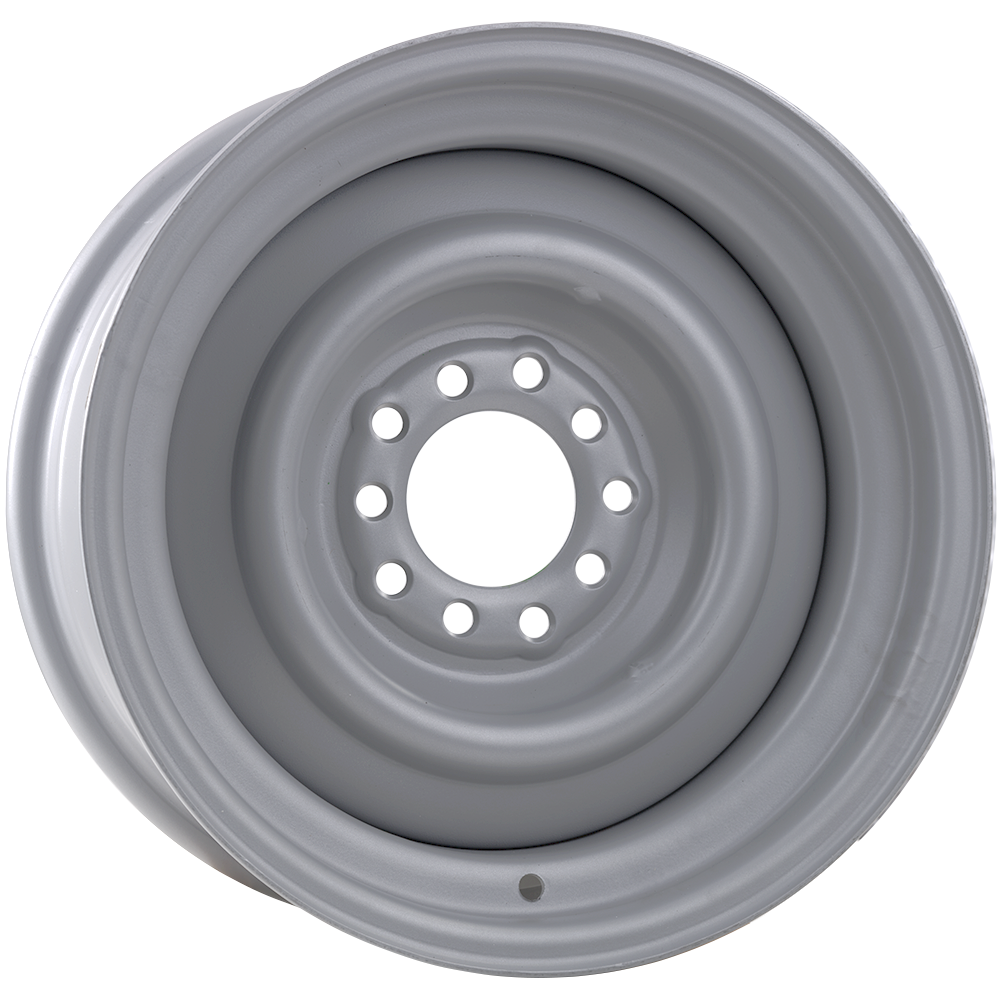
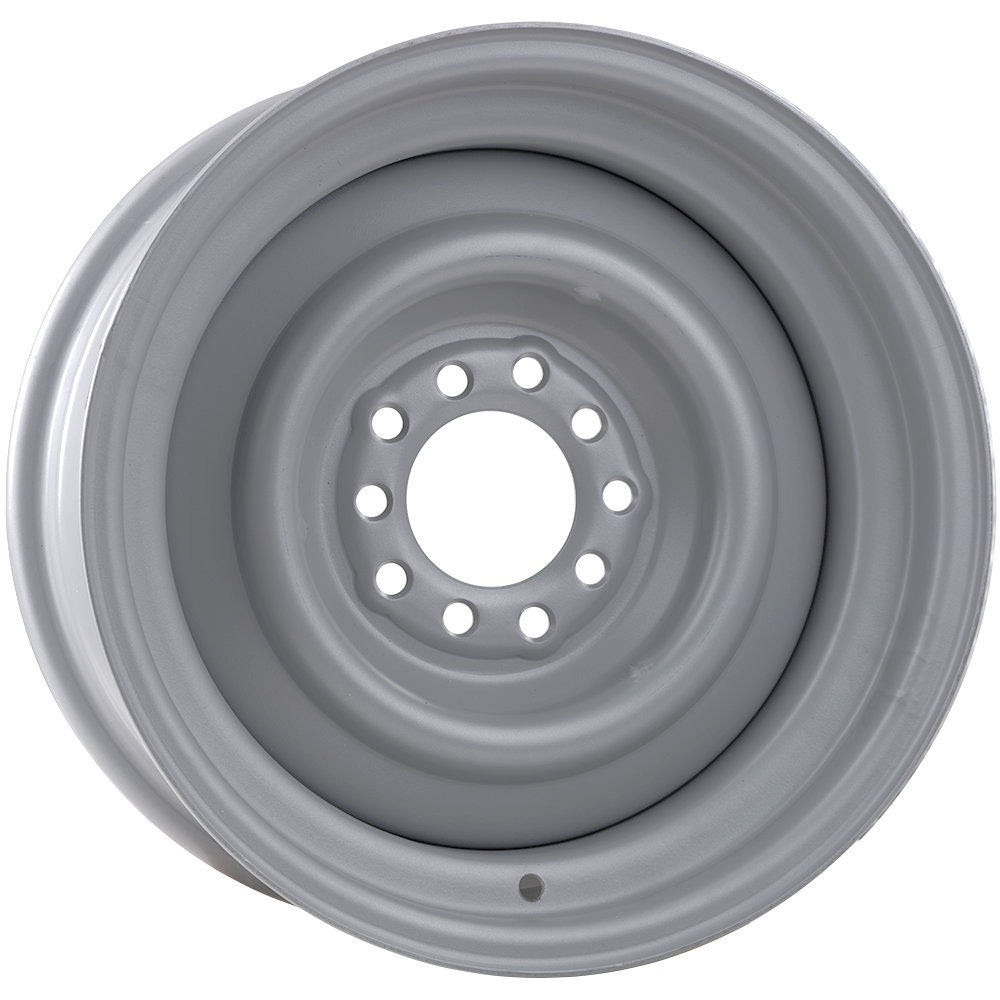
Hot rods, street rods and rat rods all look their best with great wheels and tires. Hot rod wheels from Coker Tire range from traditional steel wheels to the incredible vintage styling of our custom wheel designs. Shop hundreds of sizes, widths and offsets in dozens of awesome styles, tailor made for your hot rod project. Many of our hot rod wheels are available in chrome, primer or custom powder coat finishes. Speak to a Tire Expert and change the look of your ride with a set of wheels and tires from Coker Tire Company.
Complete Packages




Choose Your Style. Choose Your Stance.
Frequently Asked Questions
Appearance & Styling ▼
What defines the look of hot rod and custom wheels? ▼
Hot rod and custom wheels are defined by bold styling, simple shapes, and strong visual contrast. Designs often include smooth steel wheels, multi spoke performance wheels, and polished chrome finishes that draw attention to the stance of the car. These wheels are meant to complement classic hot rod proportions, where tire profile, wheel width, and finish all work together to highlight the vehicle’s overall attitude.
Historically, these wheels grew out of the hot rodding culture of the 1950s and 1960s. Builders wanted wheels that looked more aggressive than standard factory designs while still fitting the character of vintage cars. As a result, styles like smoothie steel wheels, chrome muscle wheels, and five spoke performance designs became closely associated with traditional street rods and custom builds.
Why are smooth steel wheels so popular on traditional hot rods? ▼
Smooth steel wheels are popular because they offer a clean and uncluttered appearance that works well with the minimalist styling of early hot rods. The absence of decorative spokes or complex shapes allows the wheel to highlight the tire and overall stance of the car. This simple design often pairs well with classic hubcaps, trim rings, or painted finishes that match the body color.
From a historical perspective, smooth steel wheels closely resemble the modified factory wheels that early hot rodders used in the 1940s and 1950s. Builders often removed trim pieces and painted wheels to achieve a custom look. Modern reproductions capture that same aesthetic while providing the consistency and durability expected from newly manufactured wheels.
What styling elements make a wheel look period correct for a hot rod? ▼
Period correct hot rod wheels usually feature simple spoke patterns, chrome or painted finishes, and proportions that complement vintage vehicle styling. Designs such as five spoke performance wheels or smooth steel wheels reflect the visual trends that became popular during the early decades of American hot rodding. These wheels emphasize a strong stance and a purposeful appearance rather than decorative complexity.
Authenticity often comes from subtle details like polished lips, painted centers, or chrome plating that echoes the look of classic speed equipment. Many builders choose wheels that resemble designs seen on traditional street rods or early muscle cars. This approach helps a hot rod maintain the visual character of the era while still benefiting from modern wheel manufacturing standards.
How do chrome finishes change the appearance of a hot rod wheel? ▼
Chrome finishes dramatically increase the visual impact of a wheel by reflecting light and highlighting the shape of the spokes or rim. On a hot rod or street rod, chrome wheels often create a bright focal point that contrasts with painted bodywork. This reflective finish became popular during the muscle car era and quickly found its way into hot rod culture.
Beyond appearance, chrome finishes also emphasize the craftsmanship of the wheel design. Clean spoke lines and smooth surfaces become more noticeable when they are polished and plated. Many builders choose chrome wheels when they want a classic show car look that draws attention to the wheels as a central styling element of the vehicle.
How do custom wheel styles influence the stance of a hot rod? ▼
The stance of a hot rod is heavily influenced by the visual proportions of the wheels. Wheel design affects how wide, aggressive, or balanced a vehicle appears when viewed from the side or front. Custom wheel styles often emphasize wider rear wheels and narrower front wheels, which creates the classic hot rod rake associated with performance builds.
Design details such as rim depth, spoke shape, and finish also play a role in how the vehicle’s stance is perceived. Deep lip wheels can make a car appear more planted, while narrow front wheels contribute to the lightweight look often seen on traditional hot rods. Together, these visual elements help define the personality of the build.
How do wheel finishes affect the overall style of a custom build? ▼
Wheel finishes play a major role in determining the personality of a custom vehicle. Chrome finishes create a bright, show oriented appearance that draws attention and complements polished engine components or trim. Painted wheels can provide a more traditional look, especially when matched to the vehicle’s body color or accent colors.
Powder coated finishes have also become popular for hot rods and custom builds. They provide a durable surface while allowing builders to experiment with subtle colors or matte textures. The choice of finish helps set the tone for the entire build, whether the goal is a traditional hot rod style, a modern restomod look, or a minimalist rat rod aesthetic.
Measurements & Compatibility Basics ▼
Why do wheel diameter and width matter when choosing hot rod wheels? ▼
Wheel diameter and width play a major role in determining the overall look and stance of a hot rod. Diameter affects how much sidewall is visible on the tire, which can influence whether the vehicle has a traditional vintage look or a more modern appearance. Width determines how wide the tire can be and how aggressively the wheel fills the wheel opening.
For many builders, these measurements also influence how the vehicle handles and rides. Wider wheels generally support wider tires that can improve traction, while smaller diameter wheels often maintain the classic proportions seen on vintage hot rods. Understanding these basic measurements helps enthusiasts compare wheel options and choose a style that complements their build.
What does backspacing mean on a wheel? ▼
Backspacing refers to the distance between the wheel mounting surface and the inner edge of the wheel rim. This measurement determines how far the wheel sits inward toward the suspension or outward toward the fender. It is one of the key dimensions that influence how a wheel fits within the wheel well.
In hot rod builds, backspacing also affects the visual stance of the vehicle. A wheel with deeper backspacing may sit farther inside the fender, while less backspacing can create a wider, more aggressive appearance. Understanding this measurement helps enthusiasts compare different wheels and better predict how the wheel will sit on the vehicle.
Why do wheel width options vary within custom wheel categories? ▼
Custom wheel categories often include a wide range of widths because builders use different combinations depending on the style of the vehicle. Some hot rods emphasize a narrow front wheel and a wider rear wheel to create the classic rake that defines many traditional builds.
Other vehicles, such as restomod muscle cars, may use similar widths front and rear for a more balanced stance. Offering a range of widths allows builders to tailor the appearance and performance characteristics of their project. This flexibility is one of the reasons custom wheel categories appeal to a broad range of enthusiasts.
Why do hot rod wheels come in multiple bolt patterns? ▼
Hot rod wheels are produced in multiple bolt patterns because the vehicles used in custom builds come from many different manufacturers and eras. Classic Fords, General Motors vehicles, and vintage trucks all use different hub designs. Offering several bolt pattern options allows these wheels to work across a wide range of classic platforms.
In addition, many street rod projects use updated suspension components or rear axle assemblies from different vehicles. Multiple bolt pattern options make it easier for builders to find a wheel that matches their chosen components. This flexibility helps custom wheels remain compatible with both traditional restorations and modernized hot rod builds.
What should enthusiasts understand before comparing wheel sizes? ▼
Before comparing wheel sizes, enthusiasts should understand how diameter, width, offset, and backspacing all work together. Each measurement influences how the wheel sits within the wheel well and how it visually balances with the vehicle’s body lines. Looking at only one measurement rarely provides a complete picture.
Hot rod builders often think about wheel size in terms of stance and proportion. The goal is to select wheels that complement the design of the vehicle without overwhelming its classic lines. Understanding the basic measurements makes it easier to compare wheels within a category and choose options that support the intended look of the build.
Vehicle Applications & Usage ▼
What types of vehicles commonly use hot rod and custom wheels? ▼
Hot rod and custom wheels are commonly used on classic coupes, roadsters, vintage pickup trucks, and muscle cars. These vehicles often serve as the foundation for hot rod or street rod projects where builders want wheels that enhance both style and performance. The wheels help define the personality of the vehicle.
Many restomod builds also use custom wheels that combine classic styling with modern durability. Builders may choose traditional designs to maintain vintage character while upgrading other mechanical components. This approach allows hot rod wheels to appear on a wide variety of vehicles, from early prewar hot rods to late twentieth century muscle cars.
Are custom wheels common on classic pickup trucks? ▼
Custom wheels are frequently used on classic pickup trucks, especially those built as street trucks or custom cruisers. Vintage trucks often have large wheel openings and simple body lines that work well with bold wheel designs. Builders use wheels to emphasize stance and give the truck a more aggressive presence.
Smooth steel wheels and classic performance wheels both appear on custom truck builds. Some builders prefer a traditional painted steel wheel look, while others choose chrome or machined finishes for a more modern style. The flexibility of custom wheel designs allows them to complement many different truck restoration and modification approaches.
Why are custom wheels important to the identity of a hot rod? ▼
In hot rod culture, wheels are one of the most visible components of the entire build. They influence the stance, proportions, and personality of the vehicle. A well chosen wheel design can instantly communicate whether a car is built as a traditional hot rod, a street rod, or a modern restomod.
Because hot rods often feature modified suspensions and custom bodywork, the wheels become a key element that ties the entire project together. Enthusiasts frequently select wheels early in the build process because they help define the direction of the vehicle’s overall style.
Maintenance, Performance & Longevity ▼
How durable are hot rod and custom wheels for regular driving? ▼
Hot rod and custom wheels are designed to handle normal road use while maintaining the appearance expected from classic style components. Modern manufacturing processes allow these wheels to combine traditional designs with materials and construction methods that support long term reliability.
When properly installed and maintained, these wheels can perform well for both weekend cruising and regular driving. Many enthusiasts choose them because they offer the visual appeal of vintage hot rod styling while still meeting modern expectations for strength and durability.
How should chrome wheels be cleaned and maintained? ▼
Chrome wheels should be cleaned regularly using mild soap and water to remove road grime and brake dust. Soft cloths or non abrasive sponges are recommended to avoid scratching the chrome surface. Drying the wheels thoroughly helps prevent water spots and preserves the reflective finish.
It is also important to avoid harsh chemical cleaners that may damage the chrome plating. Many enthusiasts apply a light protective polish designed for chrome surfaces. This helps maintain the shine and protects the finish from moisture and environmental contaminants over time.
Do painted or powder coated wheels require special care? ▼
Painted and powder coated wheels generally require simple maintenance practices similar to those used for vehicle paint. Regular washing with gentle cleaning products helps remove road debris that could dull the finish over time. Using soft cloths prevents scratches or swirl marks.
Powder coated finishes are known for their durability and resistance to chips and corrosion. Even so, keeping the wheels clean helps maintain their appearance and extend their lifespan. Consistent maintenance ensures the finish continues to look fresh while protecting the underlying metal.
What environmental factors can affect wheel finishes? ▼
Wheel finishes are exposed to many environmental conditions including moisture, road debris, and brake dust. Over time, these elements can affect the appearance of chrome, painted, or powder coated surfaces if they are not cleaned regularly.
Climate also plays a role in how finishes age. Humidity, salt, and dirt can accelerate corrosion if wheels are left unmaintained. Routine cleaning and protective products help minimize these effects and preserve the appearance of the wheels.
Why is regular wheel inspection important? ▼
Regular wheel inspection helps ensure that the wheels remain structurally sound and safe for driving. Enthusiasts often check for visible damage such as cracks, bends, or unusual wear patterns that may develop over time.
Routine inspection also provides an opportunity to confirm that lug nuts remain properly tightened and that the wheels continue to seat correctly on the hub. These simple checks contribute to long term reliability and help maintain confidence when driving a classic or custom vehicle.
Wheel Construction & Durability ▼
What materials are commonly used in hot rod and custom wheels? ▼
Hot rod and custom wheels are commonly manufactured from steel or aluminum alloys. Steel wheels are known for their strength and traditional appearance, which makes them popular for classic hot rod builds that emphasize vintage styling. Aluminum alloy wheels are lighter and often used for performance oriented designs.
Both materials offer advantages depending on the goals of the builder. Steel provides durability and a timeless look, while aluminum can reduce weight and support more intricate spoke designs. Modern manufacturing techniques allow both materials to deliver reliable performance for classic and custom vehicles.
Are classic style wheels prone to rust or corrosion? ▼
Like any metal component, wheels can develop rust or corrosion if the finish becomes damaged or if they are exposed to moisture for long periods. Steel wheels are more vulnerable to rust when protective paint or coating is compromised.
Modern finishes help reduce this risk by sealing the metal surface from moisture and environmental contaminants. Regular cleaning and proper storage also help prevent corrosion. When maintained properly, classic style wheels can remain in excellent condition for many years.
How do modern manufacturing methods improve classic style wheels? ▼
Modern manufacturing methods allow classic wheel designs to be reproduced with better precision and consistency than many original vintage wheels. Computer controlled machining, improved casting techniques, and better quality control all contribute to stronger and more reliable products.
These improvements allow enthusiasts to enjoy traditional wheel styles without sacrificing modern durability standards. The result is a wheel that looks historically correct while benefiting from decades of advances in materials and production technology.
What maintenance practices help extend wheel lifespan? ▼
Maintaining wheels begins with regular cleaning and visual inspection. Removing brake dust, dirt, and moisture helps preserve the finish and prevents corrosion from developing over time. Gentle cleaning products and soft materials protect the surface from scratches.
It is also helpful to periodically check for signs of damage or unusual wear. Ensuring that wheels are properly mounted and balanced contributes to long term reliability. With consistent care, hot rod and custom wheels can maintain both their appearance and structural integrity for many years.