
Steel Wheels

Filter By
Steel Wheels
It's hard to beat the classic looks of a steel wheel, with or without accessories, and many contemporary builders are turning to steel wheels for their projects. Whether you're restoring or building period-looking vehicle, Coker Tire Company offers a large selection of steel wheels and accessories to complete the look.
Complete Packages


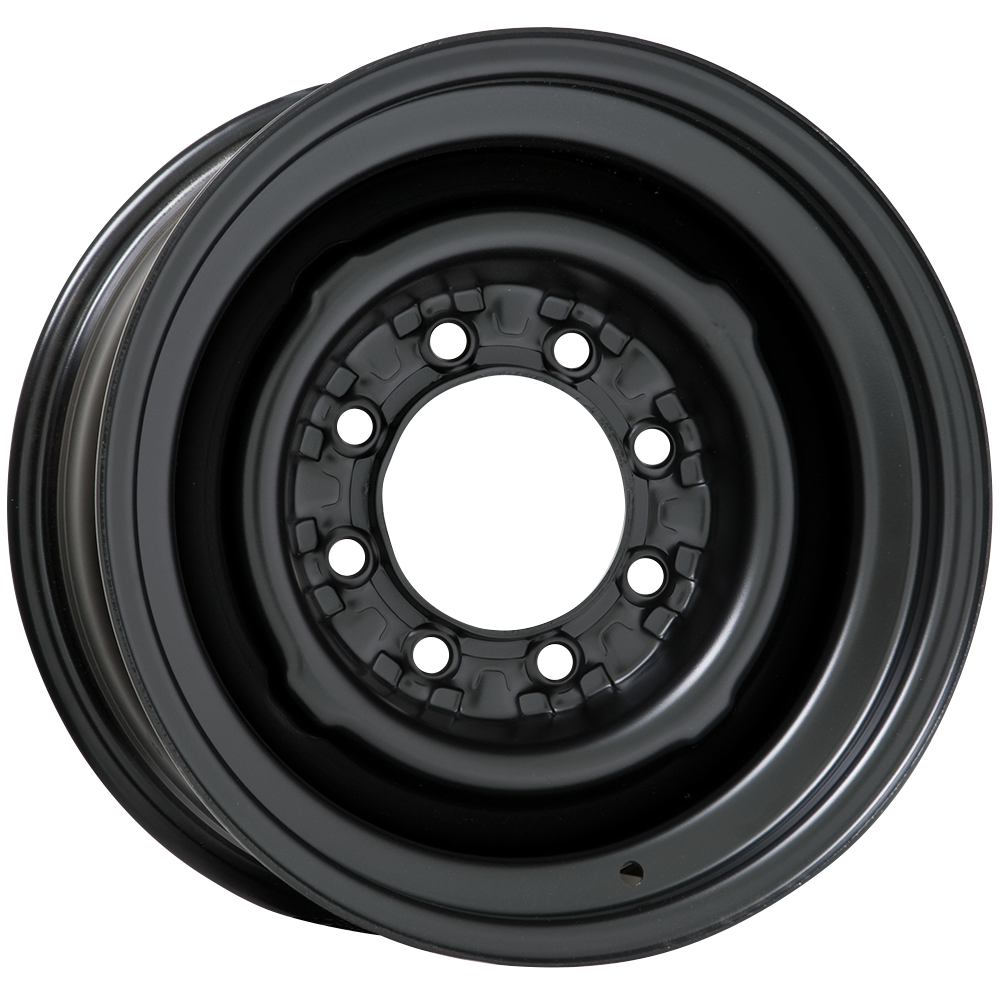
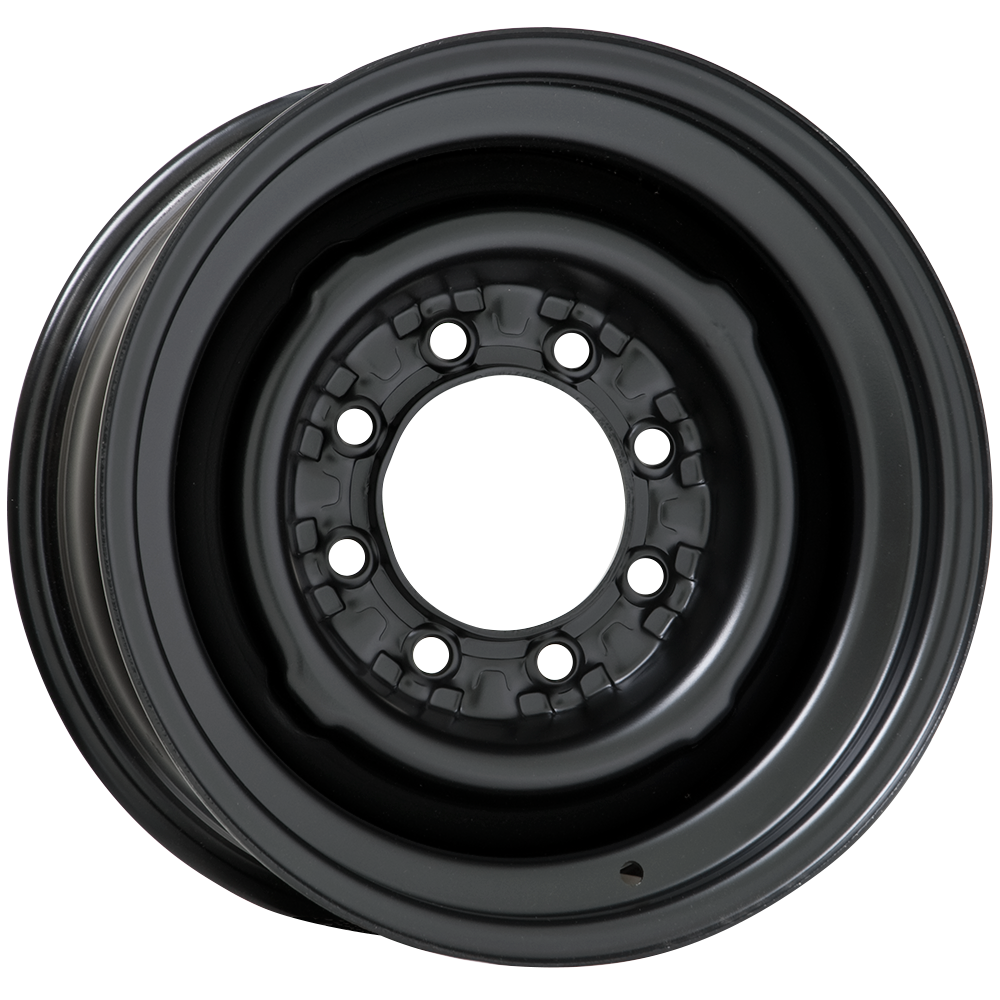
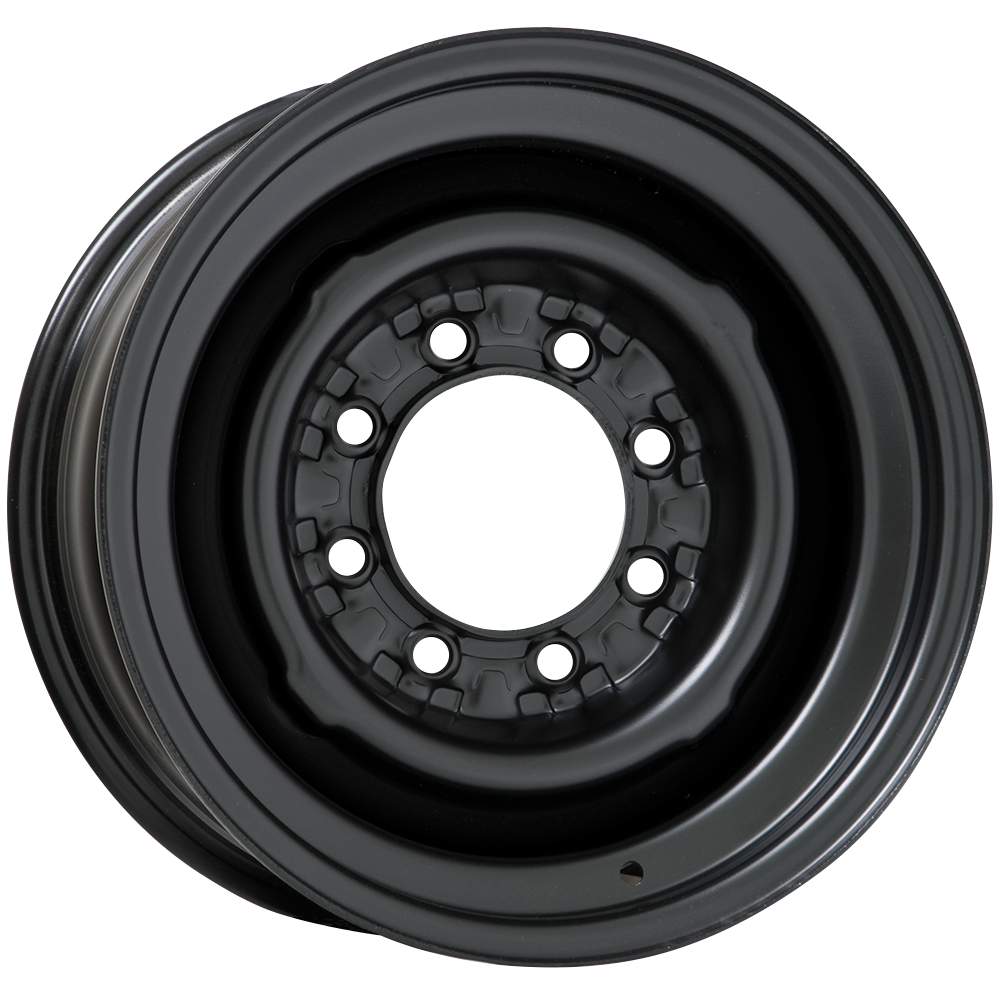
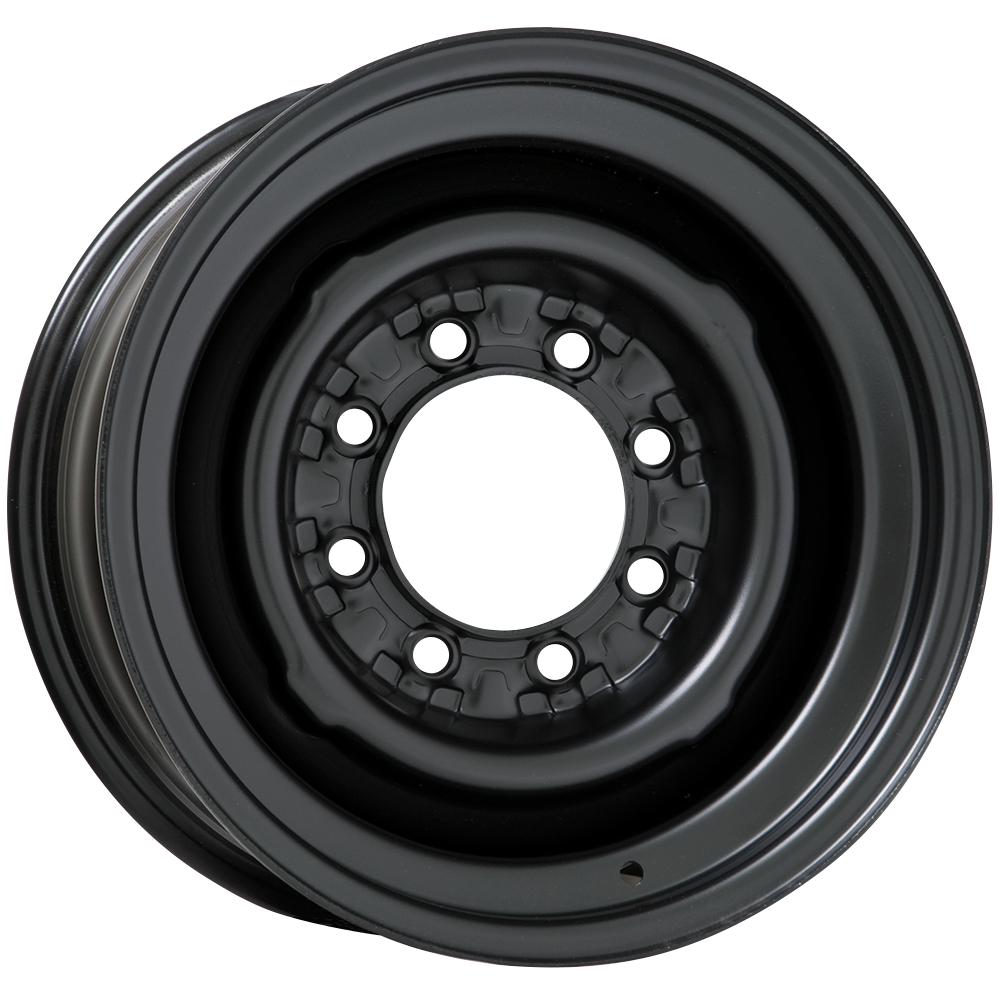
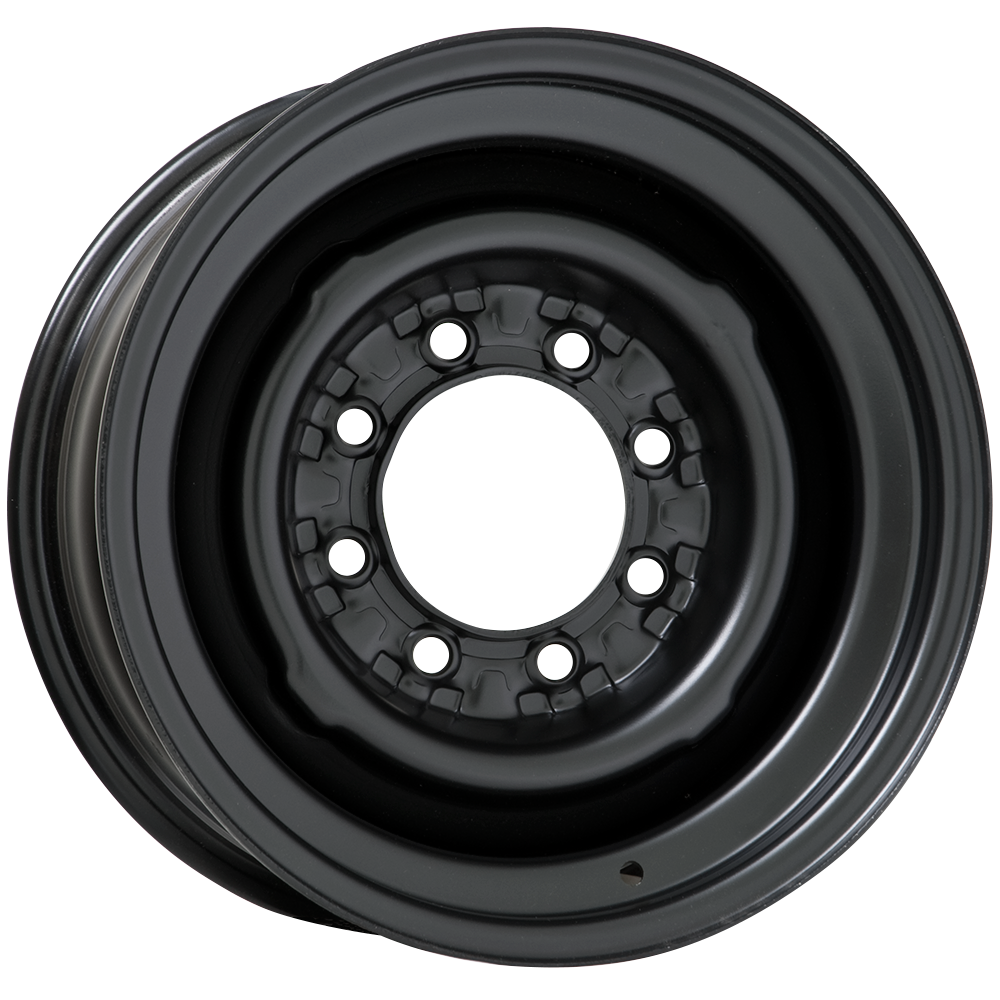
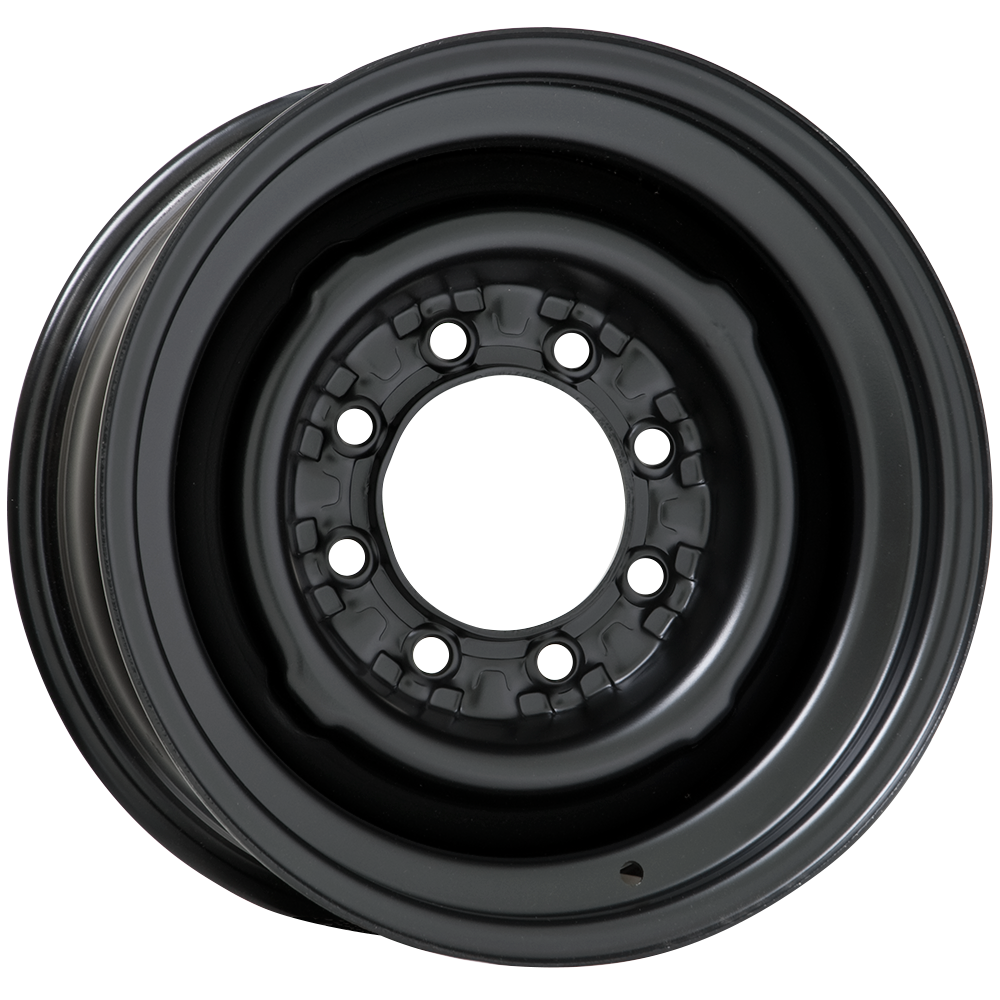
The Original Classic Vehicle Wheel is all steel.
Frequently Asked Questions
Appearance & Styling ▼
Why are steel wheels considered a classic look on vintage vehicles? ▼
Steel wheels carry a simple stamped design that defined American cars and trucks from the 1930s through the 1970s. Their clean face, modest contours, and ability to accept hubcaps or trim rings made them a universal factory choice. This understated look is closely tied to original equipment styling, which is why restorers rely on them to recreate an authentic appearance.
They also adapt easily to different visual directions. Painted finishes, chrome plating, or primer allow builders to shift from factory-correct to hot rod minimalism. That flexibility keeps steel wheels relevant across restoration and custom builds, where maintaining a period-correct foundation still matters.
What is the difference between the look of a steel wheel and alloy wheel? ▼
Steel wheels are stamped and welded, which results in smoother surfaces and less intricate detailing than cast or forged alloy wheels. The design is usually based on a solid center with ventilation slots or small windows, giving a functional and utilitarian appearance.
Alloy wheels tend to emphasize styling complexity and visual depth, while steel wheels lean toward simplicity and symmetry. This difference is why steel wheels feel more appropriate on older vehicles, where the original design language favored durability and ease of production over decorative styling.
How do smoothie and OE-style steel wheels differ in appearance? ▼
Smoothie wheels feature a clean, uninterrupted center section with minimal visual breaks. This design became popular in hot rod culture because it offers a stripped-down look that pairs well with custom paint and minimal trim.
OE-style steel wheels replicate factory designs with correct vent shapes, center contours, and hubcap compatibility. They are intended to match the original visual identity of specific eras or manufacturers. Smoothies lean toward customization, while OE styles focus on authenticity and historical accuracy.
Can steel wheels be used for both stock restorations and custom builds? ▼
Steel wheels are one of the few wheel types that work equally well in both restoration and customization. For stock restorations, OE-style steel wheels help recreate factory appearance down to the smallest visual details.
For custom builds, the same basic construction allows flexibility in finish and trim. Builders often paint them body color, run them without caps, or add chrome finishes. This versatility makes steel wheels a common foundation for everything from concours restorations to hot rods and restomods.
Why are finishes so important for steel wheels? ▼
Finish choice dramatically changes how a steel wheel presents on a vehicle. Painted finishes, especially body color or black, create a factory-correct or understated look. Primer finishes are often used during builds or for a raw, in-progress aesthetic.
Chrome and powder-coated finishes introduce a more polished or custom feel. These finishes reflect light differently and highlight the wheel’s shape. Because steel wheels have simple geometry, the finish becomes a primary visual element in defining the overall style.
Why do many classic trucks still use steel wheels? ▼
Classic trucks originally came equipped with steel wheels because of their strength and practicality. The visual identity of these vehicles is closely tied to that utilitarian design, which is why steel wheels remain the preferred choice for restorations.
They also complement the rugged and functional nature of trucks. The straightforward design aligns with the purpose-built look of older pickups and utility vehicles. Even in modern builds, steel wheels help preserve that honest, work-focused aesthetic.
Do steel wheels support era-correct trim and accessories? ▼
Steel wheels are designed to work with a wide range of traditional accessories, including hubcaps, trim rings, and center caps. This compatibility is essential for achieving a correct vintage appearance.
Different eras used different attachment methods and styles, so matching the right trim to the wheel design is important. Steel wheels provide the proper mounting surfaces and proportions needed for these accessories, making them the foundation for authentic period styling.
Measurements & Compatibility Basics ▼
What basic measurements should I know when choosing steel wheels? ▼
The key measurements include diameter, width, bolt pattern, and backspacing. Diameter and width affect tire compatibility and overall stance, while bolt pattern determines whether the wheel can mount to the vehicle.
Backspacing influences how the wheel sits within the wheel well. Together, these measurements define both the visual stance and functional fit. Understanding these basics helps narrow down suitable options before considering styling preferences.
What does backspacing mean on a steel wheel? ▼
Backspacing measures the distance from the mounting surface to the back edge of the wheel. It determines how far inward or outward the wheel sits in relation to the suspension.
This measurement affects clearance with suspension components and the wheel well. It also plays a role in the vehicle’s stance. Proper backspacing helps achieve a balanced look and avoids interference issues.
Are steel wheels compatible with different vehicle types? ▼
Steel wheels are produced in a wide range of bolt patterns and configurations, making them adaptable to many vehicle types. This includes classic cars, trucks, and utility vehicles.
Their versatility comes from standardized measurements and simple construction. As long as the basic specifications match, steel wheels can be used across different platforms while maintaining proper function and appearance.
How do I know if a steel wheel will sit correctly on my vehicle? ▼
Wheel position is influenced by width and backspacing working together. These determine how the wheel aligns within the wheel well and relative to suspension components.
A well-positioned wheel maintains clearance while achieving the desired stance. Understanding these relationships helps avoid issues and ensures the wheel complements both the vehicle’s design and driving characteristics.
Vehicle Applications & Usage ▼
What types of vehicles commonly use steel wheels? ▼
Steel wheels are widely used on classic American cars, vintage trucks, and utility vehicles. They were standard equipment across many manufacturers for decades.
Today, they are also common in hot rods, restomods, and off-road builds. Their versatility and historical accuracy make them suitable for a broad range of applications.
Do European classic cars use steel wheels as well? ▼
Many European vehicles also used steel wheels, particularly in earlier decades. Their design may differ slightly, but the concept remains the same.
Steel wheels can help maintain authenticity on these vehicles. They support period-correct styling while offering the same durability benefits.
Maintenance, Performance & Longevity ▼
Are steel wheels durable for long-term use? ▼
Steel wheels are widely regarded for their toughness and long service life, making them a dependable choice for everyday driving. Their solid construction allows them to handle rough roads, potholes, and heavy loads better than many alternatives. Unlike alloy wheels, steel wheels are less likely to crack; instead, they tend to bend, which is often easier and cheaper to repair.
With regular maintenance such as cleaning, rust prevention, and proper tire care, steel wheels can easily last for many years, even decades. This durability makes them especially popular among commercial vehicle users and classic car enthusiasts who value reliability over aesthetics.
How should I clean and maintain steel wheels? ▼
Regular cleaning with mild soap and water helps preserve the finish. Avoid harsh chemicals that can damage paint or coatings.
Keeping them clean prevents buildup that can lead to corrosion. Routine maintenance ensures they maintain both appearance and performance.
Do steel wheels affect ride quality? ▼
Steel wheels tend to be heavier than some alternatives, which can influence ride characteristics. They often provide a solid and stable feel.
This weight can contribute to durability but may slightly affect responsiveness. For most classic vehicles, the difference aligns well with original driving characteristics.
How do finishes impact long-term maintenance? ▼
Different finishes require different care routines. Painted and powder-coated surfaces are easier to maintain, while chrome requires more attention.
Choosing the right finish can simplify upkeep. It also affects how well the wheel resists environmental wear over time.
Can I repair steel wheels if damaged? ▼
Steel wheels are generally easier to repair than more complex designs. Minor bends or issues can often be addressed by professionals.
This repairability adds to their long-term value. It allows owners to maintain original components rather than replace them.
What maintenance helps extend the life of steel wheels? ▼
Regular cleaning, inspecting for damage, and maintaining the finish are key practices. Addressing small issues early prevents larger problems.
Proper storage and avoiding harsh conditions also help. Consistent care ensures steel wheels remain functional and visually appealing over time.
Wheel Construction & Durability ▼
What factors influence the strength of a steel wheel? ▼
Material thickness, welding quality, and design all play a role. Proper manufacturing ensures the wheel can handle expected loads.
Environmental factors and maintenance also affect longevity. Keeping the wheel in good condition helps preserve its strength over time.
How do steel wheels perform under heavy use? ▼
Steel wheels are well-suited for heavy-duty applications. Their construction allows them to handle weight and rough conditions.
They are commonly used in trucks and utility vehicles for this reason. Their ability to absorb impacts makes them reliable in demanding situations.
Are steel wheels resistant to impact damage? ▼
Steel wheels tend to bend rather than crack under impact. This behavior can make them safer and easier to repair.
This characteristic is one reason they are favored in off-road and heavy-use environments. It allows continued use even after minor damage.
How do modern coatings improve steel wheel durability? ▼
Modern coatings such as powder coating provide better protection against corrosion. They create a durable barrier against moisture and debris.
These improvements extend the lifespan of steel wheels. They also reduce the need for frequent maintenance compared to older finishes.