


600-16 Coker Classic Bias Ply Wide Whitewall Tire
Zig Zag tread Coker vintage tires have been a top choice for hot rods, classic and collector cars for over 30 years. These tires feature genuine whitewall construction and authentic zig zag tread designs. These Coker Classic bias ply wide whitewalls are made in the USA. DOT and ECE (European Union) approved, and backed by our life of the tread warranty. Please note that dimensions listed tread width, section width and overall diameter are non-scientific and based on an inflated tire, mounted on a wheel. Dimensions may vary due to rim width and inflation pressure. Tread patterns and sidewall styles vary, please click on individual tires below to view photos.
Genuine Wide Whitewall Tire
Typically wide whitewalls run all the way to the bead. Narrow whitewalls will stop somewhere before the bead, resulting in a narrower band of exposed white rubber. Bright white rubber is added directly to the tire sidewall during initial construction of the carcass, resulting in a truly integrated, high-quality product after vulcanization. This style was popular into the early sixties, eventually being replaced by narrow whitewalls altogether.
Bias Ply Construction
Bias ply tire construction is a method that was used from the 1900's through the 1970's on passenger cars and light trucks. Bias ply tires feature ply cords that run at a 45 degree angle to the bead, and overlap in a crisscross pattern, depending on how many ply layers are used. This creates a strong tire, but bias ply tires have a tendency to follow breaks or ruts in the pavement. Bias ply tires are the most authentic choice for classic car restorations and traditional hot rod builds. Coker Tire offers a huge variety of bias ply tires for many applications.
Coker Classic Bias Ply Tires
Coker Classic bias ply tires are designed for classic cars and trucks, as well as hot rods and customs. With many popular sizes, including 670-15, 600-16 and alphanumeric sizes like L78-15, this product line fits many classic makes and models.
Coker Classic Brand Collector Vehicle Tires
Coker Tire was founded in 1958, focused on supplying the collector vehicle market with authentic tires. The Coker Classic brand is a favorite among car restorers and enthusiasts around the world. Coker was the first to develop the wide whitewall radial, and it's still one of its most popular product lines to this day. Coker Classic tires are offered in both bias ply and radial construction, using modern materials to ensure proper fitment and handling for your collector vehicle.
Please Note
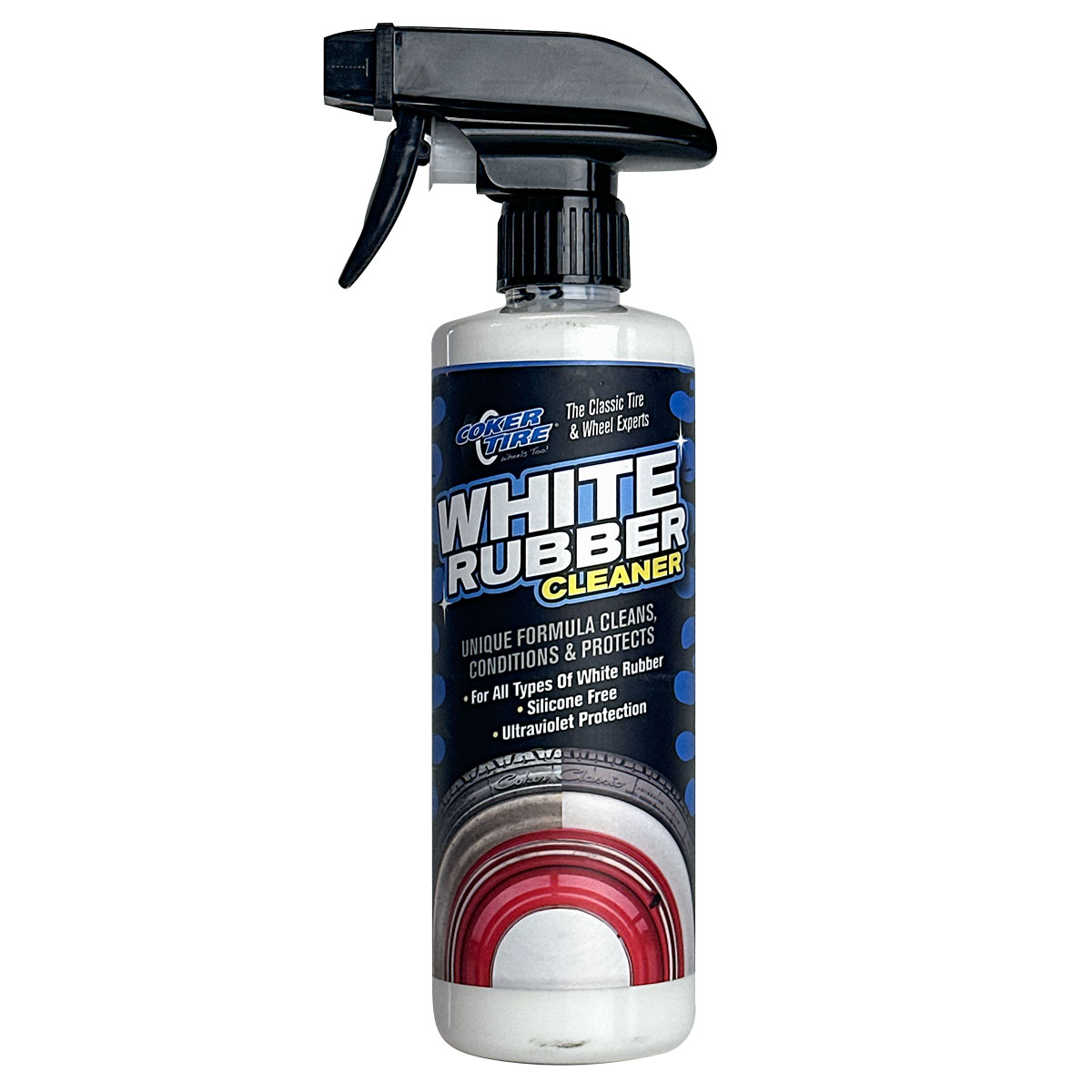
- Tire mounted on wheel for demonstration purposes only. Wheel and other accessories are not included. Please note that dimensions listed (tread width, section width and overall diameter) are non-scientific and based on an inflated tire, mounted to a wheel. Dimensions may vary due to rim width and inflation pressure. Please note Chemical Guys Tire and Rubber Cleaner and Adams Polish Tire shine has been linked to Whitewall browning and should not be used. We recommend using our line of tire care products.
| SKU | 65500 |
|---|---|
| Weight | 22.000000 |
| GTIN | 00842199104653 |
| Availability Date | 2026-12-31T00:00:00Z |
| Sidewall Style | Wide Whitewall |
| Whitewall Width (in) | 3.000 |
| Tire Construction | Bias Ply |
| Construction Ply | 4 PLY POLY |
| Tire Series | Coker Classic Bias Ply |
| Rim Diameter | 16 inch |
| Tube Type or Tubeless | Tube Type |
| Product Size | 600-16 |
| Tread Depth (32nds) | 12 |
| Tread Width (IN) | 4.13 |
| Width Bias Ply | 6.00 |
| Brand | Coker Classic |
| Max Load Capacity (LBS) | 1400@32 psi |
| Section Width (IN) | 6.25 |
| Rim Width (in) | 4.00 - 4.50 |
| Overall Diameter (IN) | 28.30 |
This Coker Classic 3.00 Inch Whitewall comes in the 600-16 size, suitable for the classic and collector vehicles listed below.
About the 600-16 Tire Size
The 600-16 tire size is associated with a wide span of vehicle applications, ranging from 1933 models through select 1978 Jeep CJ6 applications. On this page, the size is tied to the Coker Classic 3.00 Inch Whitewall | 600-16, a bias ply tire with a 3.00 inch whitewall appearance for vehicles associated with this fitment range. For more detailed information on this tire size, explore the 600-16 tire on Coker Tire Fitment Guide.
Vehicle Fitment for the Coker Classic 3.00 Inch Whitewall | 600-16
The Coker Classic 3.00 Inch Whitewall | 600-16 is available in a tire size associated with a range of classic and collector vehicles. The vehicle applications below are organized by year, make, and model to help identify vehicles associated with the 600-16 size. Explore the linked Make & Model and Year Make & Model pages for more detailed fitment information.
Fitment information should be verified for the specific vehicle before purchase. Confirm tire size, wheel fit, load requirements, overall diameter, and available clearance.
1933–193512 makes · 22 fitments
The 1933–1935 period includes a broad mix of 600-16 applications across Dodge, Essex, Plymouth, Terraplane, Graham, Hupmobile, Auburn, Ford, Hudson, Lafayette, Pontiac, and Studebaker. These applications show the early reach of the 600-16 size across many prewar makes.
Dodge
Dodge applications in this period include the 6 and DU models associated with the 600-16 size.
Essex
Essex fitment in this period is represented by the 8 Cyl.
Plymouth
Plymouth applications in this period include the PC, PD, PE, and Deluxe models associated with the 600-16 size.
Terraplane
Terraplane applications in this period include the 8 Cyl., KV, and 6 Cyl. models associated with the 600-16 size.
Graham
Graham applications in this period include the 68 Series, 74 Standard, and Special models associated with the 600-16 size.
Hupmobile
Hupmobile applications in this period include the 417 Series and D models associated with the 600-16 size.
Auburn
Auburn fitment in this period is represented by the 53 Series.
Ford
Ford applications in this period include the 48 Series and 50 Series.
Hudson
Hudson fitment in this period is represented by the 6 Cyl.
Lafayette
Lafayette fitment in this period is represented by the 6 Cyl.
Pontiac
Pontiac fitment in this period is represented by the 8 Cyl.
Studebaker
Studebaker fitment in this period is represented by the Dictator.
1936–194015 makes · 76 fitments
The 1936–1940 period covers a large concentration of 600-16 applications across domestic and imported makes. Chevrolet, Dodge, Ford, Graham, Hudson, Plymouth, Pontiac, Studebaker, and several others are represented throughout this range.
Auburn
Auburn applications in this period include the 54 Series and 654 Series.
Dodge
Dodge applications in this period include the D 5, D 8, D 11, and Special Six & Deluxe models associated with the 600-16 size.
Ford
Ford applications in this period include the 67 Series, 68 Series, 78 Series, 85 Series, 85 Deluxe, 85 Standard, and Mercury.
Graham
Graham applications in this period include the 81 Deluxe, 90 Cavalier, 95, Special, and Special 60.
Hudson
Hudson applications in this period include the 61, 62 & 63 Series, 71, 72 & 73 Series, 83 Series, Hudson Terraplane 81 & 82, 112 Series, 40 Deluxe, 41 Super, and 44 Series.
Hupmobile
Hupmobile applications in this period include the G and R915.
Lafayette
Lafayette applications in this period include the 6 Cyl. and 3810.
Nash
Nash fitment in this period is represented by the Light 6.
Plymouth
Plymouth applications in this period include the P2, P4, and Deluxe models associated with the 600-16 size.
Pontiac
Pontiac applications in this period include the 6 Cyl., 25, and 26 models associated with the 600-16 size.
Studebaker
Studebaker applications in this period include the Commander, Dictator, and 6 Cyl. models associated with the 600-16 size.
Terraplane
Terraplane applications in this period include the 6 Cyl., Deluxe Custom, Deluxe, and Standard models associated with the 600-16 size.
Chevrolet
Chevrolet applications in this period include the Deluxe and Master models associated with the 600-16 size.
Chrysler
Chrysler fitment in this period is represented by the Royal.
De Soto
De Soto applications in this period include the 6 Air Stream, 6 S-5, 6, and 6 Deluxe & Custom.
Oldsmobile
Oldsmobile applications in this period include the F39, G39, and 60 Series.
1941–19451 make · 3 fitments
The 1941–1945 period shows select 600-16 applications centered on 1941 and 1942 model years. Chevrolet, Dodge, Ford, Hudson, Oldsmobile, Plymouth, Pontiac, Willys, and Graham appear in this group.
Chevrolet
Chevrolet applications in this period include the Deluxe, Master, and 6 Cyl. models associated with the 600-16 size.
Frequently Asked Questions
Fitment & Compatibility ▼
Will the Coker Classic 3.00 Inch Whitewall 600-16 fit my pre-war or early post-war vehicle with 16-inch wheels? ▼
The Coker Classic 3.00 Inch Whitewall 600-16 is designed to fit 16-inch wheels commonly found on 1930s through early 1950s vehicles. With a 28.30-inch overall diameter and 6.25-inch section width, it closely matches original factory tire dimensions, preserving correct ride height and proportions.
Fitment requires a rim width between 4.0 and 4.5 inches, which aligns with most original steel wheels. Because this is a tube-type bias ply tire, proper tube installation is required. Clearance is generally not an issue on stock vehicles, but suspension condition and wheel specifications should be verified before installation.
Will the Coker Classic 3.00 Inch Whitewall 600-16 require inner tubes? ▼
Yes, the Coker Classic 3.00 Inch Whitewall 600-16 is a tube-type tire and requires an inner tube for proper operation. This is consistent with original vehicle setups from the era and is critical for maintaining air retention and safety.
Installing without a tube is not recommended and can lead to air leaks or improper bead sealing. Care must be taken during installation to avoid pinching the tube. Using a high-quality tube that matches the tire size ensures proper fitment and reliable long-term performance.
Is the Coker Classic 3.00 Inch Whitewall 600-16 compatible with original wheel widths? ▼
This tire is designed for wheels between 4.0 and 4.5 inches wide, which matches most factory wheel specifications for vehicles of this era. Staying within this range ensures proper sidewall shape and load distribution.
Using wider wheels can distort the tire profile and reduce sidewall support, while narrower wheels increase sidewall bulge. Maintaining correct wheel width ensures even tread wear, proper contact patch behavior, and consistent driving characteristics.
Will the Coker Classic 3.00 Inch Whitewall 600-16 clear fenders and suspension components? ▼
With a relatively narrow 6.25-inch section width, this tire typically clears factory fenders and suspension components on vehicles originally equipped with 600-16 tires. It maintains original proportions and avoids excessive width.
However, clearance should still be checked during full steering lock and suspension compression. Vehicles with modified suspension or altered ride height may experience interference, particularly at the front fenders.
Tire Size Equivalents & Conversions ▼
What bias ply sizes does the Coker Classic 3.00 Inch Whitewall 600-16 replace? ▼
The Coker Classic 3.00 Inch Whitewall 600-16 replaces original 6.00-16 bias ply tires used on a wide range of pre-war and early post-war vehicles. It maintains similar overall diameter and section width.
This ensures correct stance and ride height while providing improved materials and manufacturing quality. It is a direct replacement option for restorations aiming to retain factory-correct fitment.
How does the Coker Classic 3.00 Inch Whitewall 600-16 compare to a modern radial equivalent? ▼
Compared to radial tires, this bias ply tire has more sidewall flex and a narrower contact patch. This results in a softer ride but less precise handling.
Radials provide better stability and traction, but the bias ply design preserves authenticity. Choosing between them depends on whether originality or modern drivability is the priority.
Will the Coker Classic 3.00 Inch Whitewall 600-16 affect speedometer accuracy? ▼
With a 28.30-inch diameter, this tire closely matches original specifications. Speedometer readings remain accurate when replacing the correct factory size.
If replacing a different size, small variations may occur. Larger diameters reduce revolutions per mile, which can cause the speedometer to read slightly lower than actual speed.
Can the Coker Classic 3.00 Inch Whitewall 600-16 replace a 205/75R16? ▼
The 600-16 is narrower and taller than a typical 205/75R16 radial. It offers a more authentic look and maintains original proportions.
Switching from a radial may reduce grip and handling sharpness. However, it improves period-correct appearance and often improves clearance in tighter wheel wells.
Performance & Use Case ▼
How does the Coker Classic 3.00 Inch Whitewall 600-16 perform on the road? ▼
The Coker Classic 3.00 Inch Whitewall 600-16 delivers a smooth, period-correct driving experience suited for classic cars. The tall sidewall helps absorb road imperfections, providing a comfortable ride at lower speeds typical of vintage driving.
However, as a bias ply tire, it tends to follow road grooves and may feel less stable at higher speeds. Steering response is slower compared to radial tires, but this is consistent with original driving characteristics and expected for authenticity-focused restorations.
Is the Coker Classic 3.00 Inch Whitewall 600-16 suitable for highway driving? ▼
The tire can be used on highways at moderate speeds, but it is not optimized for sustained high-speed driving. Stability decreases compared to radial tires as speed increases.
Drivers may experience tracking on uneven pavement. Maintaining proper alignment and tire pressure helps improve highway performance, but it remains best suited for occasional use rather than long-distance high-speed travel.
Construction, Durability & Load Capacity ▼
What does the 4 ply construction mean for the Coker Classic 3.00 Inch Whitewall 600-16? ▼
The 4 ply poly construction provides sufficient strength for classic passenger vehicles while maintaining flexibility for ride comfort. It reflects original tire design from the era.
With a maximum load capacity of 1400 lbs at 32 psi, it is suitable for vehicles of this size and weight. Proper inflation ensures the tire can safely carry its rated load without excessive heat buildup.
How durable is the Coker Classic 3.00 Inch Whitewall 600-16? ▼
This tire is designed for durability under normal vintage driving conditions. The bias ply construction provides strength and resistance to wear when properly maintained.
Durability depends on correct inflation, alignment, and driving habits. It is not intended for high-speed or high-mileage use, so longevity is best achieved through moderate driving and regular maintenance.
How does bias ply construction affect the Coker Classic 3.00 Inch Whitewall 600-16? ▼
Bias ply construction creates a strong sidewall with more flexibility compared to radial tires. This improves ride comfort and load distribution.
However, it reduces handling precision and increases sensitivity to road surfaces. The tire may feel less stable at higher speeds, which is consistent with vintage driving characteristics.
Installation & Maintenance ▼
What tire pressure should I use for the Coker Classic 3.00 Inch Whitewall 600-16? ▼
The recommended pressure is up to 32 psi for maximum load, but actual pressure should be adjusted based on vehicle weight and driving conditions.
Proper inflation ensures even tread wear and optimal performance. Underinflation increases heat buildup, while overinflation reduces traction and comfort.
How can I extend the life of the Coker Classic 3.00 Inch Whitewall 600-16? ▼
Pressure should be checked regularly, ideally before each drive or at least weekly. Maintaining 32 psi ensures optimal performance and load capacity.
Temperature changes and storage conditions can affect pressure. Consistent monitoring helps prevent uneven wear and heat buildup.
Write Your Own Review
OTHER STUFF YOU MAY LIKE
Check items to add to the cart or

Popular Add-Ons For Your Order
More Tires This Size


