

Filter By
Lester Tires
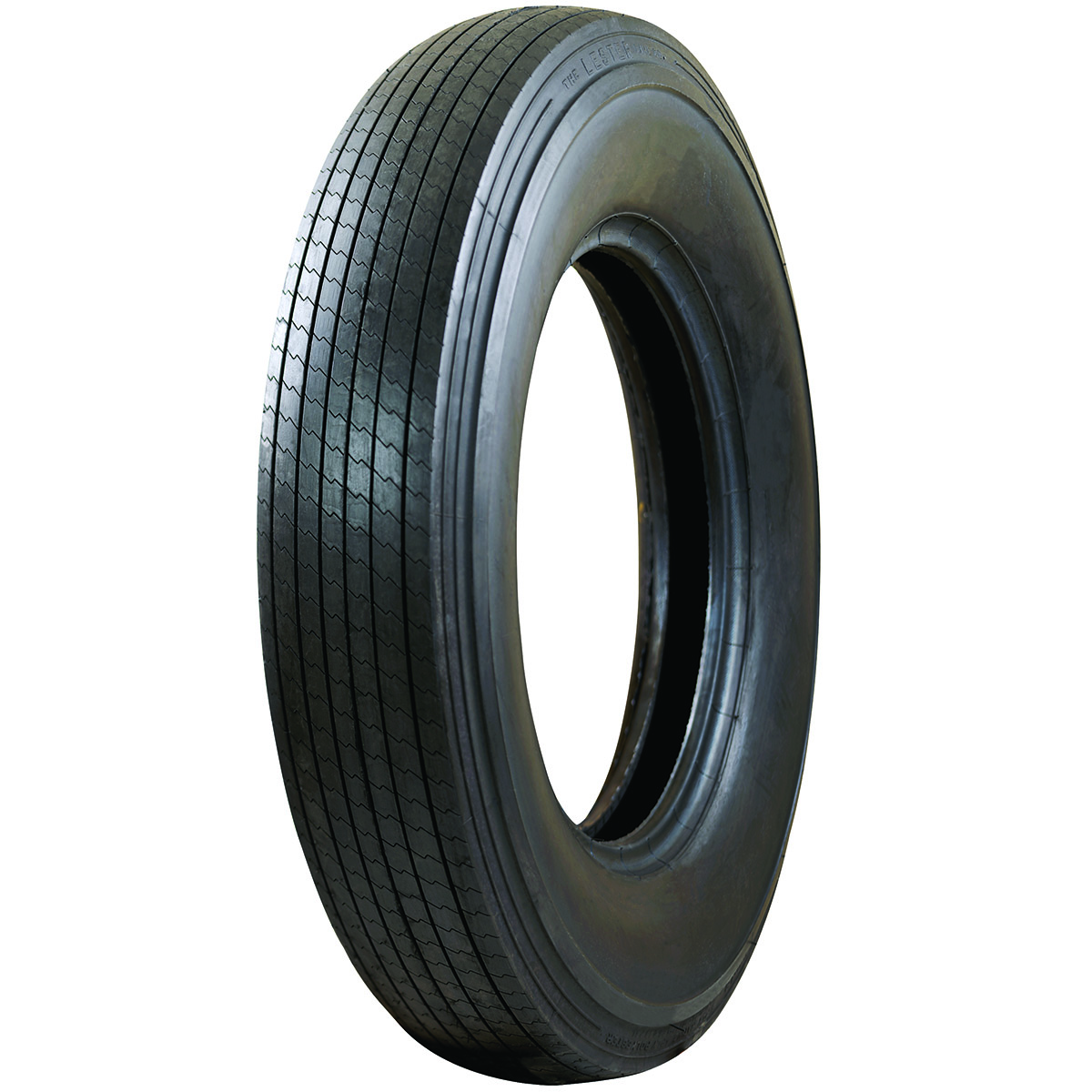
Lester Tires is a brand that is rich with history in the antique car and classic car market. Lester tires are manufactured in authentic molds, using bias ply construction. We offer the Lester Tire brand in nearly 40 sizes, ranging from the Brass Era into the 1960's. Rim diameters range from 14 to 23 inches in conventional bias ply tires, and we also offer two High Pressure tires in the Lester brand. There are many Pre-War fitments, such as the classic 600-16 size, but we also offer hard-to-find sizes for 17 and 18 inch wheels from the 1930's. Scroll through the many sizes and styles and find the right fit for your classic car.
-
 Lester Wide Whitewall | 700-16$394.00
-
 Lester | 700-18$370.00
-
 Lester | 700-19$397.00
-
 Lester | 700-21$431.00
Lester Tires is a brand that is rich with history in the antique car and classic car market. Lester tires are manufactured in authentic molds, using bias ply construction. We offer the Lester Tire brand in nearly 40 sizes, ranging from the Brass Era into the 1960's. Rim diameters range from 14 to 23 inches in conventional bias ply tires, and we also offer two High Pressure tires in the Lester brand. There are many Pre-War fitments, such as the classic 600-16 size, but we also offer hard-to-find sizes for 17 and 18 inch wheels from the 1930's. Scroll through the many sizes and styles and find the right fit for your classic car.
Frequently Asked Questions
Purchase Considerations ▼
Will Lester tires work with my existing wheel setup? ▼
Lester tires are available in nearly 40 sizes, covering antique and classic vehicle applications from the Brass Era through the 1960s. The range includes conventional bias ply rim diameters from 14 to 23 inches, along with select High Pressure options. To determine compatibility, match the Lester tire's listed size and rim diameter with your existing wheel specifications. The correct diameter is essential for proper mounting, while the approved rim width must also be considered to ensure adequate tire support.
Many Lester applications are designed for older vehicles with original wheel configurations. Check the existing tire markings, wheel diameter and width before selecting a replacement. Some Lester models are tube-type, so verify the specific product specifications and whether your wheel setup requires an inner tube before installation.
Are there any fender or suspension clearance considerations when installing Lester tires? ▼
Lester tires are offered in multiple vintage sizes, with variations in overall diameter and section width depending on the selected application. These dimensions can affect the available space between the tire, fenders and surrounding suspension components. Before installation, compare the replacement tire's listed dimensions with your existing tires and check whether the selected size matches the vehicle's original fitment. Coker notes that actual tire dimensions can vary depending on rim width and inflation pressure.
Inspect clearance around the fenders, suspension and steering components, including when the suspension is compressed or the steering is turned fully. Vehicles with modified suspension, replacement wheels or altered fenders may require additional fitment checks. Confirming clearance before installation helps prevent rubbing during normal driving.
How might Lester tires affect steering effort and handling on my vehicle? ▼
Lester tires feature bias ply construction, which is designed to retain the traditional characteristics of antique and classic vehicles. Bias ply construction produces a different sidewall response and handling feel compared with modern radial tires. Depending on the selected tire dimensions and vehicle setup, steering effort may also be influenced by section width, inflation pressure and the contact patch against the road.
Bias ply tires can be more sensitive to pavement grooves and road irregularities, potentially affecting tracking behaviour during driving. Maintaining the recommended inflation pressure and ensuring correct wheel alignment are important for predictable handling. Drivers should consider these characteristics when choosing Lester tires for vehicles used on modern roads rather than expecting contemporary radial handling behaviour.
Will Lester tires change the stance or appearance of my antique vehicle? ▼
Lester tires are designed with period-correct styling and fitments for antique and classic vehicles, particularly applications dating from the 1900s through the 1950s. The range includes traditional blackwall and wide whitewall options, allowing owners to select an appearance that complements their vehicle's original design. Choosing the appropriate vintage tire size and sidewall style helps maintain the proportions and visual character expected from an authentic restoration.
Overall diameter influences ride height and wheel positioning, while section width affects how the tire fills the wheel opening. Selecting a size close to the vehicle's original specifications helps preserve its intended stance. For restoration projects, consider both the original tire dimensions and factory sidewall appearance before choosing a Lester replacement.
Brand Identity & Legacy ▼
Why are Lester tires well known in antique car restoration circles? ▼
Lester tires have earned recognition because they are closely tied to early automotive history, particularly vehicles from the Brass Era through the 1950s. Enthusiasts value the brand for its commitment to reproducing original designs using authentic molds. This makes Lester a dependable choice for restorers seeking historically accurate components.
Within collector communities, Lester tires are often associated with preservation rather than modification. Their consistent presence in concours restorations and museum-quality builds reinforces their reputation. For many enthusiasts, choosing Lester is less about performance upgrades and more about maintaining period correctness and honoring the engineering standards of early automobiles.
How is the Lester brand viewed among classic car enthusiasts? ▼
Among enthusiasts, Lester is viewed as a specialist brand focused on authenticity rather than modernization. It is widely respected in antique car circles where originality is prioritized over performance enhancements.
Collectors and restorers often recommend Lester tires for vehicles that require accurate historical presentation. The brand is not typically associated with restomod builds or high-performance driving. Instead, it is trusted for its ability to preserve the original driving feel and visual identity of early automobiles, which is a key concern in vintage vehicle ownership.
Appearance & Styling ▼
Are Lester tires available in traditional sidewall styles? ▼
Yes, Lester tires are commonly offered in classic sidewall styles such as blackwall and wide whitewall. These styles reflect the aesthetic preferences of early automotive periods.
Wide whitewalls are especially associated with pre-war and early post-war luxury vehicles. Blackwalls are more common on earlier or more utilitarian models. These options allow restorers to match the original appearance of their vehicle accurately.
How do Lester tires compare visually to modern radial tires? ▼
Lester tires have a noticeably different appearance due to their bias ply construction. The sidewalls are taller and more rounded, and the tread is narrower.
Modern radial tires typically have a wider contact patch and a flatter tread profile. This creates a more aggressive stance that is not appropriate for antique vehicles. Lester tires maintain the original look that complements early automotive design.
Driving Experience, Performance & Construction ▼
What type of construction do Lester tires use? ▼
Lester tires use bias ply construction, which was standard in early automotive manufacturing. This construction involves layers of cords arranged diagonally across the tire.
This design results in a more flexible sidewall and a different contact patch compared to radial construction. It reflects the engineering approach of the time and contributes to the authentic driving experience expected from antique vehicles.
How does bias ply construction affect ride comfort? ▼
Bias ply construction allows for greater sidewall flex, which can improve ride comfort on rough or uneven roads. This was particularly important for early vehicles with less advanced suspension systems.
The increased flexibility helps absorb road imperfections, contributing to a smoother ride. However, it may also reduce tread stability at higher speeds compared to radial construction.
How do Lester tires handle heat and wear? ▼
Lester tires are designed to reflect the performance characteristics of early tire technology. Heat dissipation is managed within the limitations of bias ply construction.
This means they may generate more heat under prolonged use compared to radial tires. Proper driving habits and maintenance can help manage wear and extend tread longevity. These considerations are part of owning and operating antique vehicles.
Do Lester tires incorporate modern manufacturing improvements? ▼
While Lester tires maintain traditional designs, they benefit from modern manufacturing consistency. This helps improve durability and reliability compared to original vintage tires.
Materials and production techniques are more refined, which can enhance tread longevity and reduce variability. However, the core construction and performance characteristics remain true to the original design.
Vehicle Applications ▼
What types of vehicles commonly use Lester tires? ▼
Lester tires are most commonly used on antique vehicles, including Brass Era cars, pre-war sedans, and early post-war classics. These vehicles require bias ply construction to maintain authenticity.
They are often found on restored touring cars and vintage luxury models. Lester tires help preserve the original driving experience and visual identity of these vehicles.
Can Lester tires be used for vintage touring cars? ▼
Lester tires are commonly used on vintage touring cars due to their period-correct construction and styling. These vehicles benefit from the flexible sidewall and authentic tread design.
The tires help recreate the original driving experience, including ride comfort and handling characteristics. This makes them a suitable option for both display and light driving use.
Maintenance & Ownership ▼
How long do Lester tires typically last? ▼
The lifespan of Lester tires depends on usage, storage, and maintenance. Since they are often used on collector vehicles, they may last longer due to limited driving.
Proper inflation and storage conditions play a significant role in preserving tread longevity. Regular inspection is important to ensure continued safety and performance.
How should Lester tires be stored when not in use? ▼
Lester tires should be stored in a cool, dry environment away from direct sunlight. Proper storage helps prevent rubber degradation and extends tire life.
Vehicles that are not driven regularly should have their tires checked periodically. This ensures that the tires remain in good condition for future use.