750-16 Lester Classic Wide Whitewall Tire
750-16 Lester 5" Whitewall TireCommonly used on pre-war full bodied cars including Cadillac, LaSalle, Packard, etc., Lester tires add that classic touch to any vehicleFeatures:Smooth sidewall for stylish look and quiet rideWidest available whitewall in this size tire Made in USA.
Genuine Wide Whitewall Tire
Typically wide whitewalls run all the way to the bead. Narrow whitewalls will stop somewhere before the bead, resulting in a narrower band of exposed white rubber. Bright white rubber is added directly to the tire sidewall during initial construction of the carcass, resulting in a truly integrated, high-quality product after vulcanization. This style was popular into the early sixties, eventually being replaced by narrow whitewalls altogether.
Bias Ply Construction
Bias ply tire construction is a method that was used from the 1900's through the 1970's on passenger cars and light trucks. Bias ply tires feature ply cords that run at a 45 degree angle to the bead, and overlap in a crisscross pattern, depending on how many ply layers are used. This creates a strong tire, but bias ply tires have a tendency to follow breaks or ruts in the pavement. Bias ply tires are the most authentic choice for classic car restorations and traditional hot rod builds. Coker Tire offers a huge variety of bias ply tires for many applications.
Lester Classic Tires
Focused on authenticity, the Lester brand offers period correct styling and fitments for many cars from the 1900's through the 1950's. Available in wide whitewall and blackwall, Lester bias ply tires are specially designed for antique cars, and continue to be a favorite among car collectors around the world.
Please Note
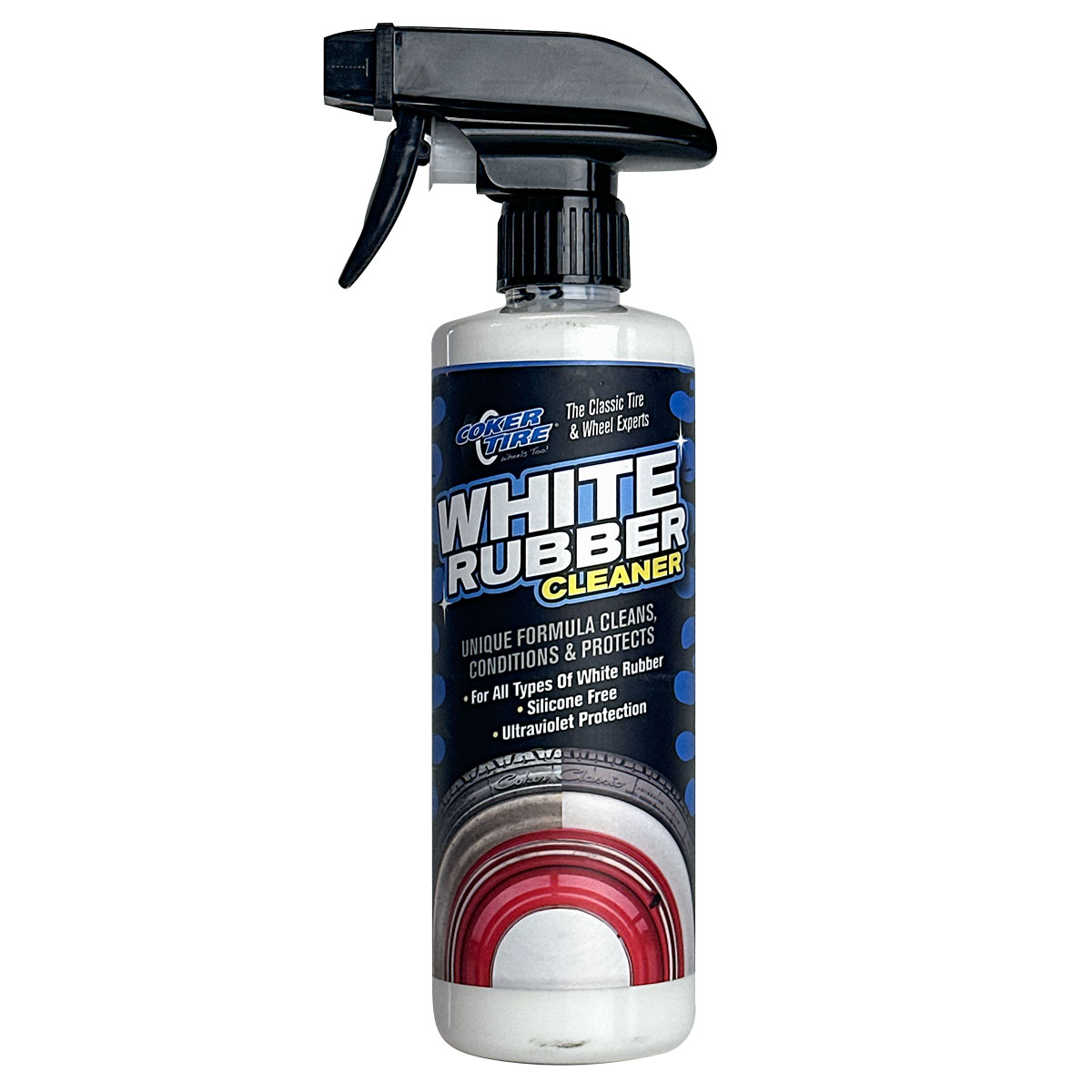
- Tire mounted on wheel for demonstration purposes only. Wheel and other accessories are not included. Please note that dimensions listed (tread width, section width and overall diameter) are non-scientific and based on an inflated tire, mounted to a wheel. Dimensions may vary due to rim width and inflation pressure. Please note Chemical Guys Tire and Rubber Cleaner and Adams Polish Tire shine has been linked to Whitewall browning and should not be used. We recommend using our line of tire care products.
| SKU | 68265 |
|---|---|
| Weight | 32.000000 |
| Sidewall Style | Wide Whitewall |
| Whitewall Width (in) | 5.000 |
| Tire Construction | Bias Ply |
| Tire Series | Lester Classic Bias Ply |
| Rim Diameter | 16 inch |
| Tube Type or Tubeless | Tube Type |
| Product Size | 750-16 |
| Width Bias Ply | 7.50 |
| Brand | Lester |
This Lester Wide Whitewall comes in the 750-16 size, suitable for the classic and collector vehicles listed below.
About the 750-16 Tire Size
The 750-16 tire size is associated with a wide span of vehicle applications, ranging from 1934 Buick and Chrysler models through later heavy-duty truck applications into 1992. This Lester Wide Whitewall is offered in the 750-16 size and, as a bias ply tire with a wide whitewall appearance, aligns with vehicles associated with this fitment range. For more detailed information on this tire size, explore the 750-16 tire on Coker Tire Fitment Guide.
Vehicle Fitment for the Lester Wide Whitewall | 750-16
The Lester Wide Whitewall | 750-16 is available in a tire size associated with a range of classic and collector vehicles. The vehicle applications below are organized by year, make, and model to help identify vehicles associated with the 750-16 size. Explore the linked Make & Model and Year Make & Model pages for more detailed fitment information.
Fitment information should be verified for the specific vehicle before purchase. Confirm tire size, wheel fit, load requirements, overall diameter, and available clearance.
1931–19353 makes · 10 fitments
The 1931–1935 period includes 750-16 applications across Buick, Cadillac, and Chrysler. These applications center on mid-1930s luxury and premium vehicle lines associated with this tire size.
Buick
Buick applications in this period include the 60 Series and 90 Series.
Cadillac
Cadillac applications in this period include the 70 Series, 75 Series, 80 Series, and 85 Series.
Chrysler
Chrysler applications in this period are represented by the Airflow.
1936–19404 makes · 30 fitments
The 1936–1940 period includes a broad range of 750-16 applications spanning Buick, Cadillac, Chrysler, and Packard. This range covers many upper-series passenger car applications associated with the 750-16 size.
Buick
Buick applications in this period include the 80 Series and 90 Series.
Cadillac
Cadillac applications in this period include the 65 Series, 70 Series, 72 Series, 75 Series, 80 Series, 85 Series, 90 Series, and V16.
Chrysler
Chrysler applications in this period include the Airflow and Imperial.
Packard
Packard applications in this period are represented by the 1500 Series.
1941–19452 makes · 3 fitments
The 1941–1945 period includes select 750-16 applications for Buick and Cadillac. These listings are limited to early-1940s upper-series passenger cars associated with this tire size.
Buick
Buick applications in this period are represented by the 90 Series.
Cadillac
Cadillac applications in this period include the 67 Series and 75 Series.
1946–19501 make · 5 fitments
The 1946–1950 period focuses on Cadillac applications associated with the 750-16 size. The fitments in this range center on late-1940s 75 Series and 86 Series models.
Cadillac
Cadillac applications in this period include the 75 Series and 86 Series.
1951–19554 makes · 8 fitments
The 1951–1955 period includes 750-16 applications across Daimler, Packard, Rolls Royce, and Rover-linked luxury and specialty vehicles. These fitments show the continued use of this tire size into the early 1950s.
Daimler
Daimler applications in this period are represented by the Regina.
Packard
Packard applications in this period include the 2513 Commercial and 8 Cyl.
Rolls Royce
Rolls Royce applications in this period are represented by the Silver Wraith.
Rover
Rover has no applications in this year range.
1956–19603 makes · 11 fitments
The 1956–1960 period includes 750-16 applications for Daimler, Rolls Royce, and Rover. These listings reflect continued use of the size on select luxury cars and utility-oriented vehicles in the late 1950s.
Daimler
Daimler applications in this period are represented by the DK400.
Rolls Royce
Rolls Royce applications in this period are represented by the Silver Wraith.
Rover
Rover applications in this period are represented by the 109.
1961–19651 make · 5 fitments
The 1961–1965 period is focused on Rover applications associated with the 750-16 size. All fitments in this range are for the Rover 109.
Rover
Rover applications in this period are represented by the 109.
1966–19701 make · 2 fitments
The 1966–1970 period includes select Rover applications associated with the 750-16 size. These fitments continue the Rover 109 coverage into the later 1960s.
Rover
Rover applications in this period are represented by the 109.
1971–19756 makes · 41 fitments
The 1971–1975 period includes a broad range of 750-16 applications spanning Chevrolet, Dodge, Ford, GMC, Jeep Truck, and other truck-based platforms. These applications are concentrated in pickup, Suburban, and heavy-duty utility models associated with this size.
Chevrolet
Chevrolet applications in this period include the C/K Pickup and Suburban.
Dodge
Dodge applications in this period are represented by the Pickup.
Ford
Ford applications in this period include the F-250 and F-350.
GMC
GMC applications in this period include the C/K Pickup and Suburban.
Jeep Truck
Jeep Truck applications in this period include the Truck and Truck J-20.
Rolls Royce
Rolls Royce has no applications in this year range.
1976–19803 makes · 16 fitments
The 1976–1980 period includes a wide range of 750-16 applications covering Chevrolet, Dodge, Ford, GMC, Jeep Truck, and several dedicated truck-brand listings. This period is heavily weighted toward three-quarter-ton and one-ton pickup and commercial truck applications associated with this tire size.
Chevrolet
Chevrolet applications in this period include the C/K Pickup and Suburban.
Chevrolet Trucks
Chevrolet Trucks applications in this period include the C30, K30 Cheyenne, K30 Custom Deluxe, K30 Scottsdale, and K30 Silverado.
Dodge
Dodge applications in this period are represented by the Pickup.
Frequently Asked Questions
Fitment & Compatibility ▼
How does the Lester Wide Whitewall | 750-16 impact steering and handling on classic vehicles? ▼
Bias ply tires like the Lester Wide Whitewall | 750-16 exhibit a more flexible sidewall than modern radials. This can lead to slightly heavier steering effort, especially at low speeds or tight turns. Vehicles with original steering setups may feel less responsive compared to modern tires.
On the highway, the tire provides predictable behavior within vintage performance expectations. The combination of section width and sidewall profile allows classic suspension geometry to operate safely, though owners should monitor tracking and toe alignment to minimize irregular wear.
Will the Lester Wide Whitewall | 750-16 clear my upgraded brakes or suspension? ▼
Brake and suspension upgrades can alter wheel and clearance requirements. The 7.50-inch bias ply width and 5-inch whitewall height may affect fender clearance under full compression. Confirm rim offset, brake caliper spacing, and leaf or coil spring travel to avoid contact.
Installation checks should include both static and dynamic conditions. Even slight suspension compression or cornering load can reduce wheel-to-fender clearance, potentially leading to rubbing or accelerated tire wear if not accounted for.
How does the Lester Wide Whitewall | 750-16 affect the stance and overall aesthetics of my classic vehicle? ▼
The 5-inch wide whitewall creates a bold visual statement that enhances period-correct styling. Combined with the 7.50-inch section width, the tire contributes to a balanced stance, giving classic cars and trucks an authentic vintage look.
Slight variations in inflation, rim width, or suspension setup can subtly influence sidewall bulge and fender gap. Owners should adjust pressures and wheel offsets to achieve the desired visual effect without compromising handling or clearance.
Tire Size Equivalents & Conversions ▼
What are the rim width recommendations for the Lester Wide Whitewall | 750-16? ▼
The Lester Wide Whitewall | 750-16 performs best on rims within the nominal width range that matches its 7.50-inch section width. Mounting on too narrow or too wide rims can distort sidewalls, compromise bead seating, and affect handling.
Correct rim selection ensures tire maintains intended stance, steering response, and fender clearance while delivering authentic ride characteristics for vintage vehicles.
Are there inflation differences for alternate rim setups with the Lester Wide Whitewall | 750-16? ▼
Inflation pressure may need adjustment depending on rim width and vehicle load. Wider rims flatten the tire footprint slightly, possibly requiring higher pressures, while narrower rims increase sidewall bulge at standard inflation.
Monitoring pressure ensures proper shape, contact patch, and heat management during street and highway use, preserving both performance and vintage authenticity.
Performance & Use Case ▼
How will the Lester Wide Whitewall | 750-16 perform on highways? ▼
The Lester Wide Whitewall | 750-16, as a bias ply tire, offers reliable highway performance for vintage vehicles. Its taller sidewalls provide cushioning, absorbing road irregularities, though it generates slightly more steering effort at speed compared to radials.
Drivers should monitor tire temperature and ensure correct inflation to prevent excessive heat buildup. The design balances authentic ride feel with safe drivability for U.S. highways and interstates.
Is the Lester Wide Whitewall | 750-16 suitable for show vehicles or daily driving? ▼
Its wide whitewall styling preserves period authenticity, making it ideal for show vehicles. Bias ply flexibility provides a classic ride feel while allowing highway use with proper inflation and weight considerations.
For daily driving, monitor heat buildup and tire wear, particularly at sustained high speeds. The tire balances vintage aesthetics with practical usability when maintained correctly.
How will weather and road conditions affect the Lester Wide Whitewall | 750-16? ▼
Bias ply tires are generally more sensitive to wet or uneven surfaces than modern radials due to sidewall flex and tread design. Maintaining correct pressure is essential for consistent traction. The tire performs best on dry to moderately wet U.S. roads at standard highway speeds.
Owners should avoid abrupt maneuvers in adverse conditions and periodically check tread for wear, ensuring safety while preserving classic vehicle handling characteristics.
Construction, Durability & Load Capacity ▼
What does bias ply construction mean for the Lester Wide Whitewall | 750-16? ▼
Bias ply construction features layers of fabric cords angled across the tire, providing flexibility and a tall sidewall. This design absorbs shocks from uneven roads, giving classic cars a softer, authentic ride feel compared to radial tires.
However, sidewall flex increases steering effort and can alter tire footprint under load. Owners should monitor inflation, load distribution, and heat buildup to maintain durability and predictable handling.
How durable is the Lester Wide Whitewall | 750-16 for street use? ▼
The Lester Wide Whitewall | 750-16 is engineered for typical U.S. street and highway conditions. Correctly inflated and matched to appropriate rim widths, it provides long-lasting tread performance while maintaining sidewall integrity.
Owners should periodically check for signs of uneven wear or sidewall deformation. Bias ply tires naturally exhibit gradual wear characteristics and perform reliably when not overloaded or subjected to excessive high-speed driving.
Installation & Maintenance ▼
Does the Lester Wide Whitewall | 750-16 require tube installation? ▼
Yes, the Lester Wide Whitewall | 750-16 is a tube-type tire. Using a properly sized tube ensures safe operation, correct bead seating, and preserves air retention during use.
Owners should inspect tubes for defects, ensure compatibility with rim width, and check valve integrity before every installation.
How should I clean and maintain the whitewall on the Lester Wide Whitewall | 750-16? ▼
Avoid chemical cleaners that may cause browning. Coker Tire recommends using their proprietary tire care products to preserve the 5-inch wide whitewall.
Regular cleaning prevents staining and maintains visual authenticity. Ensure the tire is cool before applying products and avoid abrasive brushes that may damage the surface.
How often should I inspect the Lester Wide Whitewall | 750-16 for wear? ▼
Periodic inspection of tread and sidewall is critical. Bias ply tires may develop uneven wear if inflation, load, or alignment are inconsistent. Look for cracking, discoloration, or sidewall deformation.
Regular monitoring ensures safety, extends tire life, and preserves appearance, particularly for collectors using the tire on show vehicles or daily drives.
Can I store the Lester Wide Whitewall | 750-16 for long periods? ▼
Store in a cool, dry environment away from direct sunlight and ozone sources. Avoid stacking tires with pressure or uneven weight on sidewalls. Storing mounted or inflated tires with minimal load helps preserve bias ply structure.
Proper storage maintains performance, sidewall integrity, and the appearance of the wide whitewall, readying the tire for installation when needed.
Write Your Own Review
Popular Add-Ons For Your Order
More Tires This Size