

Filter By
FEATURED


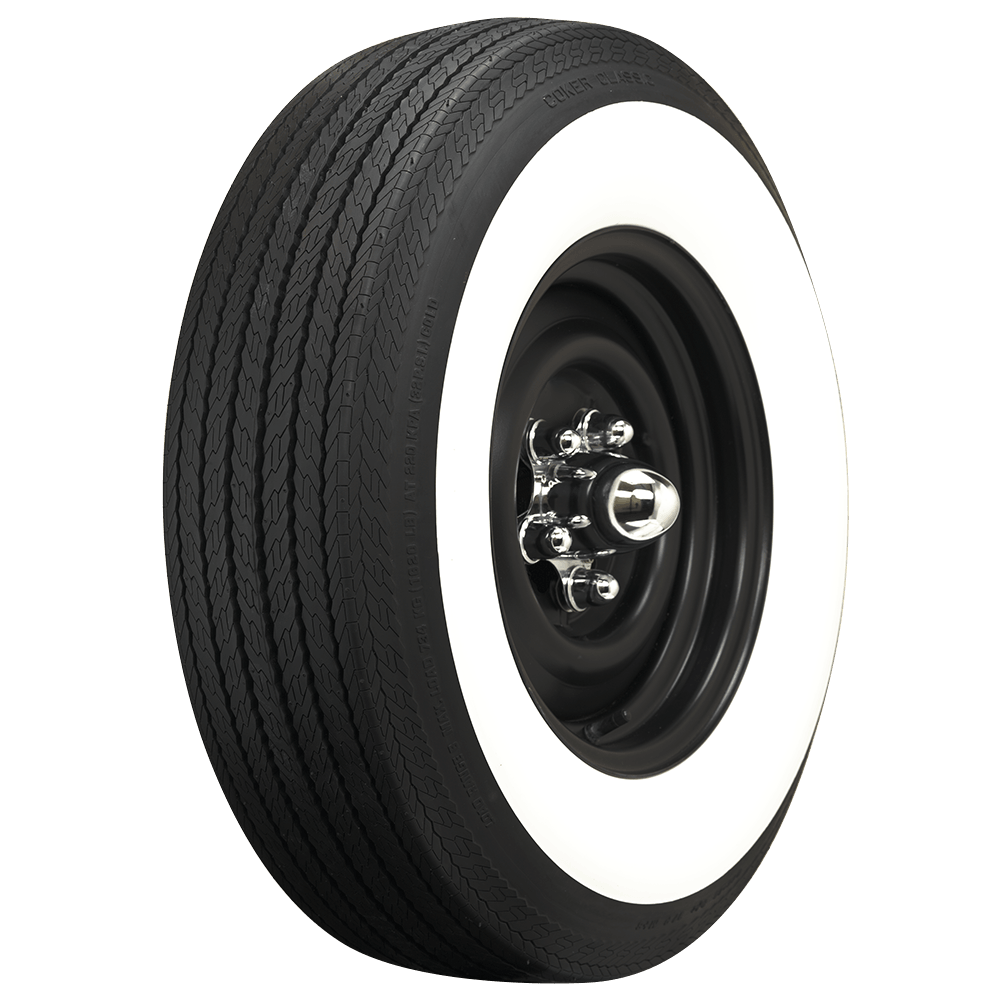
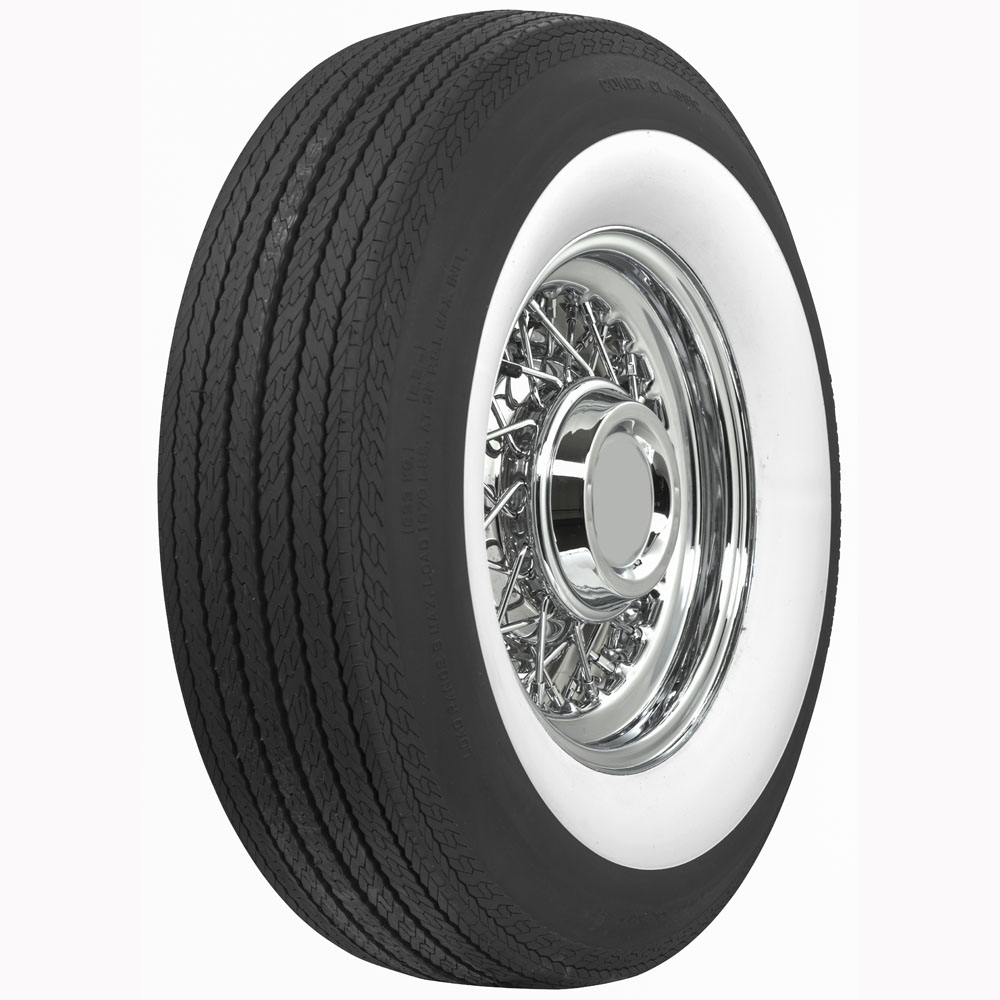
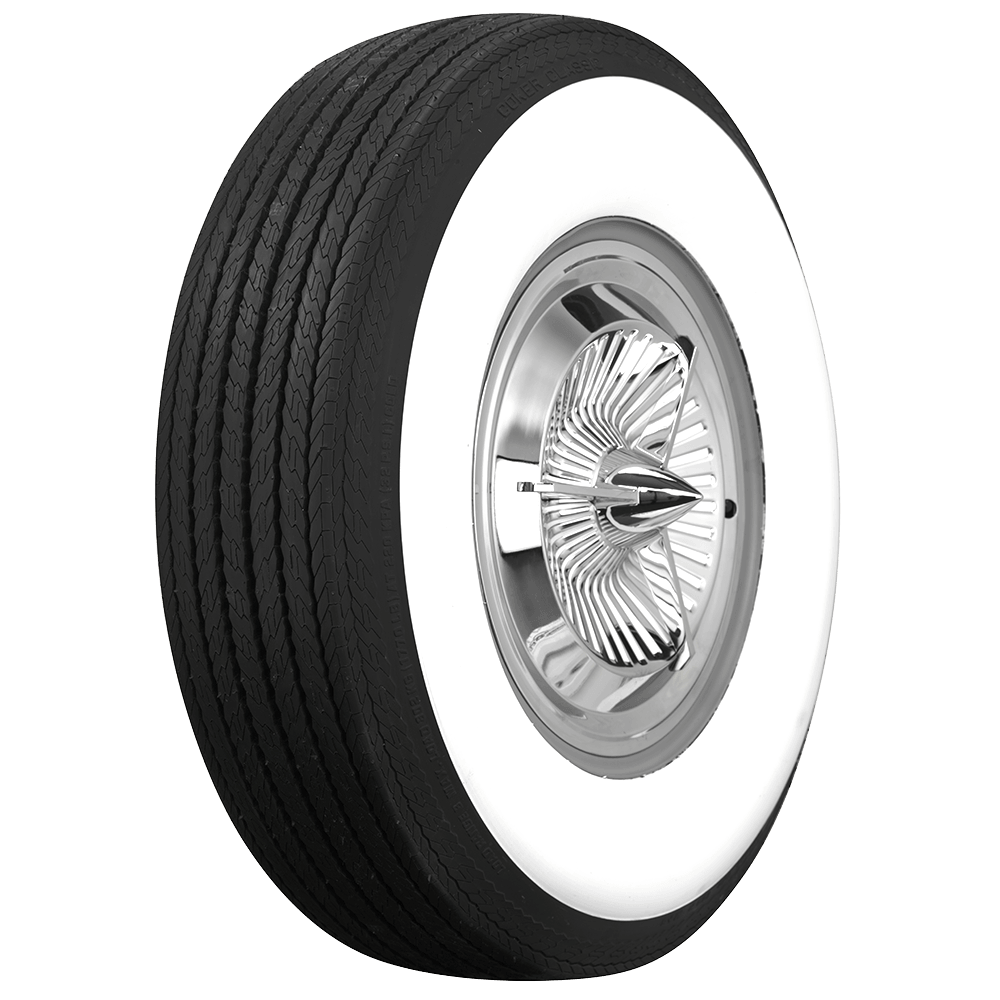
1950-60s Classic Automobile Tires
Easily one of the most popular collector segments, the classics from the fifties and sixties account for both the largest group of enthusiasts and the most popular vehicles with collectors. It's no surprise that the largest number of fitments in our catalog are for these popular classics. Coker Tire Company offers the most authentic original equipment fitments for the cars and trucks in the world. Firestone, BF Goodrich, US Royal and the list goes on.
Happy Days Are Here Again
Coker Tire Company also offers hundreds of radial tire options in comparable sizes, particularly popular with enthusiasts who drive their cars much more often. We even offer innovative products such as the award-winning Bias Look Radial tires, molded in authentic bias ply molds with entirely modern radial construction hidden beneath classic pie crust sidewall looks, true to the classics of the fifties. Keeping these classics on the road and looking authentic has always been our mission. We also offer authentic caps and accessories, specifically for the classic automobiles of the fifties and sixties. Shop blackwall and whitewall tires, available in hundreds of fitments, styles and Brands direct from the world's leading supplier.
Wide whitewall tires have always been associated with deluxe or upgraded trim level vehicles. The bright sidewalls complement wheel caps and contrast sharply with black rubber. So many classics from the 1940s and 1950s owe part of their trademark good looks to the elegant wide whitewall bias ply tires specific to the era. Coker Tire Company is the world's leading supplier of authentic wide whitewall tires. Coker offers many popular brands of wide whitewall tires from Firestone, BF Goodrich and others featuring authentic tread patterns and sidewall styles. Shop hundreds of bias ply tires with wide whitewalls in sizes and fitments for most popular classic cars and trucks.
As cars continued getting larger with huge displacement engines, the whitewalls on their tires began to shrink. Instead the massive whitewalls of the the 1940s and 1950s, the sidewall styling morphed into more of an accent and in some cases even a white pin stripe in the 1960s and into the 1970s. Coker Tire Company offers a huge selection of narrow whitewall tires for Cadillacs, Lincolns and many passenger cars that originally wore the narrower whitewall style.
The classic looks of blackwall bias ply tires are in style again. The deluxe appearance of whitewall tires has been preferred by restorers for many years, but today many people are restoring their cars and truck to the condition that they would have actually been found in back in their day. Restorers are more and more, seeking the most accurate details for their projects. Researching vintage photographs accurately portrays classic cars and trucks as they actually were, which quite often was wearing blackwall tires. Coker Tire offers a huge selection of blackwall bias ply tires for classic cars and trucks.
Contact a Tire Expert for assistance in selecting the correct whitewall width for your vehicle.
Life of Tread Warranty
Our tires are guaranteed to be free from defects in workmanship and materials for the life of the tread, some exclusions apply. Adjustment is made on a prorated basis (you pay for tread wear used). We are not responsible for tire and tube failure due to improper mounting, mechanical failure, or improper alignment of the vehicle. Coker Tire does not offer any guarantee of fitment for any particular purpose and limits its liability to the purchase price of the item. All tires and tubes should be installed by properly trained individuals. Warranty returns also require an RMA number. Some exclusions apply.
Our Life of the Tread Warranty is the best in the industry.
Frequently Asked Questions
Fitment & Compatibility ▼
How do I confirm correct fitment for a 1950s or 1960s classic vehicle? ▼
Correct fitment begins with matching overall diameter and section width to original specifications. Factory sizing ensures proper fender clearance, accurate speedometer readings, and correct suspension travel. Deviating from original dimensions can introduce rubbing issues or alter ride height.
Wheel width compatibility is equally important, as many classic wheels were narrower than modern equivalents. A tire that is too wide can distort sidewall profile and negatively impact contact patch behavior. Always verify rim diameter, wheel width range, and intended use before selecting from the category.
How does tire size influence speedometer accuracy on classic cars? ▼
Speedometer accuracy is directly tied to overall diameter. A larger diameter tire travels farther per revolution, causing the speedometer to read slower than actual speed. A smaller diameter produces the opposite effect, resulting in a higher indicated speed.
1950–60s vehicles often used mechanical speedometers calibrated to original tire sizes. Even small deviations in diameter can introduce noticeable inaccuracies over highway driving distances. Maintaining period-correct dimensions helps preserve accurate readings and avoids unintended changes in cruising behavior.
What clearance considerations matter when fitting these tires? ▼
Fender clearance, suspension compression, and steering lock clearance are all critical when selecting tires for classic vehicles. Tall sidewall tires can come close to inner fenders or suspension components during full compression or turning.
Section width also influences clearance. A wider tire increases the likelihood of interference with control arms or wheel wells. Clearance must be evaluated under real-world conditions, including loaded vehicle weight and steering articulation, to ensure safe and reliable operation.
Tire Construction ▼
What construction types are available for 1950–60s classic automobile tires? ▼
This category includes bias ply, radial, and bias look radial construction. Bias ply tires replicate original construction using layered cords, while radial tires use modern internal structure for improved flexibility and stability.
Bias look radial tires combine authentic sidewall styling with radial construction beneath. This hybrid approach allows drivers to maintain period-correct appearance while benefiting from modern ride and handling characteristics.
How do radial tires improve drivability for these vehicles? ▼
Radial tires use perpendicular cord construction, allowing the sidewall and tread to function more independently. This results in a flatter contact patch, improved grip, and better stability at highway speeds.
Radials also reduce rolling resistance and heat buildup, making them better suited for extended driving. Drivers often notice smoother tracking, less steering correction, and improved braking performance compared to traditional bias ply designs.
What makes bias look radial tires unique in this category? ▼
Bias look radial tires are designed to visually replicate bias ply styling, including pie crust sidewalls and vintage tread patterns, while using modern radial construction internally.
This combination allows enthusiasts to retain authentic appearance without sacrificing comfort and drivability. It is particularly useful for vehicles that see regular road use but still aim to maintain a historically accurate exterior presentation.
Performance & Durability ▼
What kind of driving are these tires best suited for? ▼
1950–60s classic automobile tires are designed for cruising, show use, and moderate highway driving. Performance expectations align with vintage vehicle capabilities rather than modern high-speed demands.
These tires prioritize comfort, smooth ride quality, and period-correct handling. Drivers should expect a relaxed driving experience rather than aggressive cornering or high-performance responsiveness.
How do these tires perform on modern highways? ▼
Radial options provide improved stability and reduced vibration at highway speeds, making them well suited for modern road conditions. Bias ply tires can also be used but may require more steering input.
Highway performance depends on proper inflation, alignment, and load management. Vehicles with original suspension setups benefit from maintaining tire dimensions that match factory specifications.
How does tread design affect grip and handling? ▼
Vintage tread patterns are designed for durability and balanced road contact rather than maximum grip. Narrower tread widths result in smaller contact patches compared to modern tires.
Grip levels are sufficient for typical driving conditions but may feel limited during aggressive maneuvers. Drivers should adjust expectations and driving style accordingly when operating classic vehicles.
What durability expectations are realistic for these tires? ▼
Durability depends on usage patterns, storage conditions, and maintenance practices. These tires are designed for longevity when used within appropriate speed and load limits.
Frequent high-speed driving or improper inflation can accelerate wear. Proper care ensures consistent performance and extends usable lifespan, especially for vehicles driven seasonally.
Appearance, Styling & Authenticity ▼
What defines the look of 1950–60s classic automobile tires? ▼
The defining visual features include tall sidewalls, narrow tread widths, and distinct sidewall treatments such as whitewalls or blackwalls. These elements contribute to the iconic stance of mid-century vehicles.
Styling choices were closely tied to trim levels and manufacturer design language. Maintaining correct proportions ensures the vehicle retains its original visual identity.
What makes blackwall tires historically accurate for some builds? ▼
Blackwall tires were commonly used on base models and daily-driven vehicles during the era. Many original cars left the factory without whitewall styling.
Restorations focused on authenticity often choose blackwalls to reflect real-world usage. Vintage photographs frequently show vehicles equipped with this simpler appearance.
How does sidewall profile influence visual stance? ▼
Sidewall height and curvature play a major role in overall stance. Taller sidewalls create a more upright and period-correct look, while shorter profiles can appear out of place.
Maintaining proper aspect ratio ensures the vehicle sits correctly relative to wheel openings. Visual balance is closely tied to accurate tire proportions.
How do tread patterns contribute to authenticity? ▼
Tread patterns on classic tires are designed to replicate original molds used during the era. These patterns add to the visual authenticity even though they are less aggressive than modern designs.
Correct tread styling enhances the overall restoration by aligning with historical manufacturing details. It is an often overlooked but important aspect of authenticity.
Installation, Maintenance & Longevity ▼
Why is professional installation recommended for these tires? ▼
Professional installation ensures correct mounting techniques, especially for bias ply tires that require careful handling. Improper installation can damage sidewalls or lead to imbalance.
Experienced installers also verify fitment and inflation settings. This reduces the risk of issues during initial use and helps maintain long-term reliability.
How should these tires be stored when not in use? ▼
Proper storage involves keeping tires in a cool, dry environment away from direct sunlight. Exposure to heat and UV can degrade rubber over time.
Storing vehicles on jack stands or periodically rotating tires can prevent flat spotting. These practices help preserve tire integrity during long periods of inactivity.
What maintenance practices extend tire lifespan? ▼
Regular rotation, alignment checks, and proper inflation all contribute to longer tire life. Monitoring wear patterns can help identify issues early.
Cleaning tires and avoiding harsh chemicals also preserves sidewall condition. Consistent care ensures reliable performance over time.