
Wire Wheels

Filter By
Wire Wheels
Outstanding quality and made in the USA, our wire wheels are available in many sizes, widths and offsets to fit virtually any car or truck project. Browse our many accessories, caps, bolt patterns and finishes to get the exact set of wire wheels for your application. We offer wire wheels for original equipment fitments as well as custom and hot rod sizes and styles. These wheels feature premium materials and finishes and are trued to spec at the factory. Shop hundreds of caps and accessories for our wire wheels in the accessories section. Replace your damaged or worn out wire wheels or select a wheel and tire combo and save money. We offer free mounting and balancing on all wheel and tire combination purchases.
Laced Up Just Right
Discover the timeless allure of classic automobiles with our extensive selection of vintage wire wheels for sale. Whether you're a hot rod enthusiast, a classic car collector, or a restoration aficionado, our category is a haven for those seeking the perfect set of wire wheels to elevate their ride. We offer a wide range of wire wheels, including Dayton Wire Wheels, Coker Wire Wheels, and more, ensuring that you'll find the ideal fit for your car.
Dayton Wire Wheels: Unleash the true elegance of your vehicle with Dayton wire wheels. Known for their quality craftsmanship and authentic designs, these wire wheels are the epitome of class.
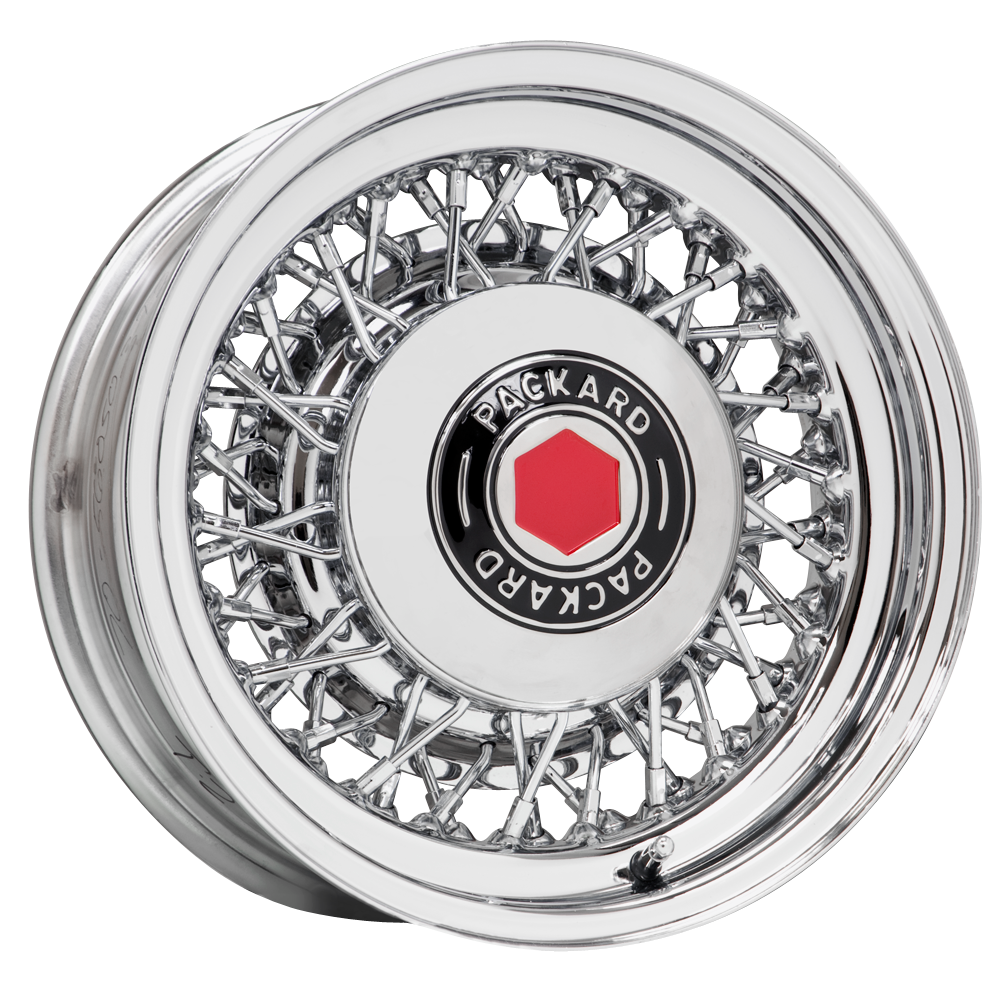
Wide Variety: Our collection boasts a variety of wire wheels for cars, including Cadillac, Buick, Ford, Packard, and Thunderbird wire wheels, catering to a diverse range of classic car models.
Vintage Charm: For those who appreciate the charm of yesteryear, we offer vintage wire wheels that exude nostalgia and elegance.
Roadster Ready: If you have a roadster, our roadster wire wheels are designed to enhance the visual appeal of your classic ride.
Model-Specific Options: Looking for Model A wire wheels or 1935 Ford wire wheels? We've got you covered with a range of model-specific choices.
Classic Aesthetics: Our classic wire wheels are designed to capture the essence of your classic car while providing modern-day reliability.
Size Variability: Whether you need 15-inch wire wheels or 15x8 wire wheels, our collection offers a range of sizes to match your specific requirements.
At Coker Tire Ciompany , we're passionate about preserving the legacy of classic cars. Our vintage wire wheels combine artistry, engineering, and history to provide you with the best options for enhancing your vehicle's aesthetics. Explore our catalog, and let our wire wheels take your classic car to the next level. Upgrade your ride with our premium wire wheels today!
Frequently Asked Questions
Appearance & Styling ▼
What is the difference between wire wheels and other classic wheels? ▼
Wire wheels stand apart because of their open spoke design, which creates a light and intricate visual structure compared to solid steel or cast wheels. The thin spokes radiate from the hub to the rim, giving the wheel a sense of depth and craftsmanship that feels more mechanical and hand-built than stamped designs.
This construction allows light to pass through the wheel, which creates a refined and elegant appearance on classic cars. The visual complexity also highlights brake components and suspension details, something enthusiasts often appreciate on vintage builds where authenticity and mechanical visibility are part of the appeal.
Why are wire wheels often associated with luxury and classic styling? ▼
Wire wheels became closely tied to luxury vehicles in the early to mid 20th century because they were commonly used on high-end European sports cars and premium American models. Their detailed construction required more precision than stamped steel wheels, which gave them a more upscale and refined reputation.
Over time, that association carried into American automotive culture, especially on Cadillacs, Buicks, and custom builds. The visual elegance of chrome or polished spokes adds a formal, almost jewelry-like quality to a vehicle, which is why wire wheels are still chosen for builds focused on classic sophistication rather than aggressive performance styling.
Are chrome wire wheels more period-correct than painted versions? ▼
Both finishes have historical relevance, but they represent different eras and vehicle types. Painted wire wheels were more common on early European sports cars and pre-war vehicles, where understated finishes aligned with the design philosophy of the time.
Chrome wire wheels became more popular in postwar American automotive culture, especially on luxury cars and custom builds. The bright finish enhances the visual complexity of the spokes and adds a show-quality appearance, making chrome a common choice for restorations that emphasize visual impact over strict factory authenticity.
Why do wire wheels remain popular in modern classic car culture? ▼
Wire wheels continue to appeal because they combine craftsmanship, history, and visual elegance in a way few wheel styles can match. They connect directly to early automotive engineering and the golden era of coachbuilt vehicles.
Modern enthusiasts also appreciate the balance they offer between authenticity and customization. Whether used on a concours restoration or a personalized cruiser, wire wheels deliver a timeless look that feels both traditional and distinctive, which keeps them relevant across generations of classic car builders.
Measurements & Compatibility Basics ▼
What wheel measurements matter most when choosing wire wheels? ▼
The most important measurements include diameter, width, bolt pattern, and backspacing. These determine how the wheel fits within the wheel well and how it aligns with the vehicle’s suspension and body.
Wire wheels also introduce additional considerations such as hub mounting style and spoke clearance. Understanding these basics helps ensure the wheel not only fits physically but also maintains proper alignment and drivability without interfering with surrounding components.
What should buyers understand about bolt patterns on wire wheels? ▼
Bolt pattern determines how the wheel mounts to the vehicle hub, and it must match exactly for proper installation. Wire wheels are available in a variety of bolt patterns to accommodate different classic and custom applications.
Some wire wheels also use adapters or knock-off style hubs, which can change how the wheel interfaces with the vehicle. Understanding the mounting system is essential to ensure both safety and authenticity in the final setup.
Are wire wheels compatible with modern vehicles? ▼
Wire wheels can be used on modern vehicles, but compatibility depends on mounting style, brake clearance, and overall wheel design. Many modern vehicles have larger brake components that may require specific wire wheel configurations.
Enthusiasts often use wire wheels on restomod builds where classic styling is combined with updated mechanical systems. In these cases, careful attention to measurements and mounting systems ensures the wheels function properly without compromising performance.
What should buyers know about hub types on wire wheels? ▼
Wire wheels can use different hub designs, including direct bolt-on and adapter-based systems. Each type affects how the wheel is installed and how it transfers load to the vehicle.
Understanding the hub type is important for both installation and long-term maintenance. Some systems offer easier removal and a more traditional look, while others prioritize simplicity and compatibility with standard mounting setups.
Vehicle Applications & Usage ▼
What types of vehicles commonly use wire wheels? ▼
Wire wheels are commonly found on classic European sports cars, luxury American sedans, and vintage roadsters. They were widely used on vehicles where style and refinement were key priorities.
Today, they are also popular on custom builds, including hot rods and lowriders. Their versatility allows them to complement a wide range of vehicles, from factory-correct restorations to highly personalized show cars.
Are wire wheels suitable for muscle cars? ▼
Wire wheels are less traditional on muscle cars, which were typically equipped with steel or styled wheels. However, they are sometimes used on custom builds to create a unique contrast between aggressive body lines and refined wheel design.
When used thoughtfully, wire wheels can give a muscle car a more upscale or cruiser-oriented personality. This approach is more common in restomod builds where originality is not the primary goal.
Do wire wheels work well on hot rods and custom builds? ▼
Wire wheels are a popular choice for hot rods and custom builds that emphasize style and individuality. They can add a refined or vintage-inspired touch depending on the finish and spoke design.
Builders often use wire wheels to create contrast with modern paint or performance upgrades. This combination of old and new elements is a hallmark of many custom builds, making wire wheels a flexible styling option.
Are wire wheels suitable for daily driving? ▼
Wire wheels can be used for regular driving, but they are often chosen for vehicles that are driven occasionally or maintained as collector cars. Their design requires more care compared to simpler wheel types.
For enthusiasts who prioritize appearance and heritage, wire wheels can still function reliably in regular use. Proper maintenance and careful driving habits help ensure long-term performance and durability.
Maintenance, Performance & Longevity ▼
Are wire wheels harder to maintain than steel wheels? ▼
Wire wheels generally require more maintenance due to their intricate spoke design. Cleaning between spokes can take more time compared to solid wheel surfaces.
Regular inspection is also important to ensure spokes remain properly tensioned and free from damage. With consistent care, wire wheels can maintain both their appearance and structural integrity over time.
How should wire wheels be cleaned? ▼
Wire wheels should be cleaned using gentle brushes and non-abrasive cleaners to avoid damaging the finish. The goal is to remove dirt and brake dust without scratching the spokes or rim.
Drying is equally important to prevent moisture from settling in tight areas. Proper cleaning helps preserve both the finish and the overall condition of the wheel.
Do wire wheels require regular inspections? ▼
Yes, periodic inspections are important to ensure the spokes remain tight and the wheel structure is sound. This helps prevent potential issues before they become serious.
Checking for signs of wear, corrosion, or damage is part of responsible ownership. Routine inspection supports both safety and long-term performance.
Wheel Construction & Durability ▼
What materials are used in wire wheel construction? ▼
Wire wheels are typically constructed using steel rims combined with steel spokes that are laced and tensioned between the hub and rim. Some versions include chrome plating or painted finishes for protection and appearance.
The combination of these materials provides a balance between strength and flexibility. This construction method has been used for decades and remains a defining feature of wire wheel design.
What maintenance practices help extend the life of wire wheels? ▼
Regular cleaning, proper storage, and periodic inspection are essential for extending the life of wire wheels. Keeping the wheels dry and free from contaminants helps prevent corrosion.
Monitoring spoke tension and addressing any issues early also contributes to longevity. With consistent care, wire wheels can remain both functional and visually appealing for many years.