
Tornel

Tornel Tires
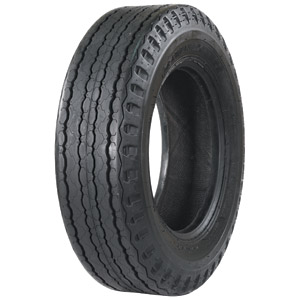
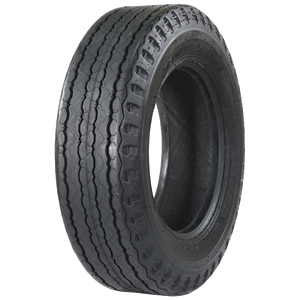
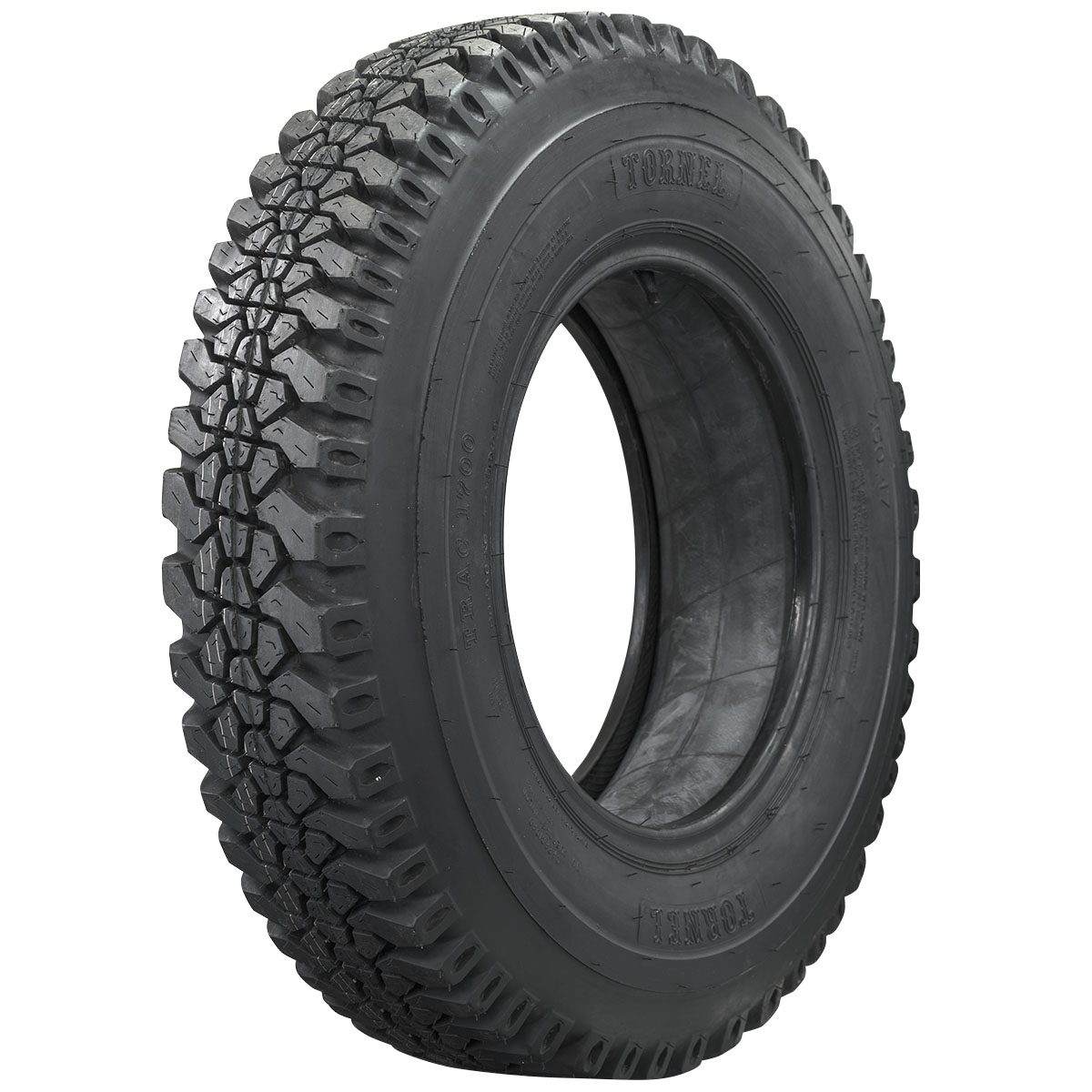
Classic light truck tires from Tornel are available in several 16 and 17 " sizes for highway use and in 10-ply 750-17 traction tread design. The tires are excellent for restored or survivor classic trucks and feature authentic tread and sidewall designs.
Contact a Tire Expert for assistance in selecting the correct tire for your classic truck.
-
 Tornel Highway | 10 Ply | 750-17$336.00
-
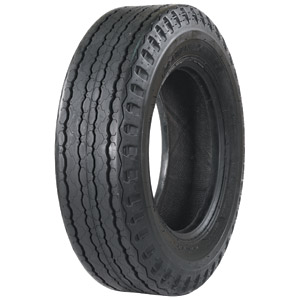 Tornel Highway | 6 Ply | 650-16$218.00
Frequently Asked Questions
Brand Identity & Legacy ▼
What makes Tornel relevant in modern classic vehicle restoration? ▼
Tornel remains relevant because of the ongoing demand for accurate reproduction tires in the classic truck segment. Many restorations require components that match original specifications, including tire construction and visual appearance.
Modern availability of Tornel tires allows restorers to complete builds without compromising authenticity. While newer materials improve durability and heat dissipation, the overall design remains faithful to historical standards. Such balance ensures that classic trucks retain both correct styling and reliable performance on modern roads.
Appearance & Styling ▼
How do Tornel tires complement classic truck styling? ▼
Tornel tires complement classic truck styling by maintaining proportions and tread designs consistent with original equipment. The narrow contact patch and tall sidewall profile help preserve the intended stance of vintage trucks.
Such visual alignment ensures that restored vehicles retain the rugged and functional aesthetic associated with their era. Tornel avoids modern tread styling that could disrupt the authenticity of a restoration, making it a natural fit for period-correct builds.
Driving Experience, Performance & Construction ▼
How do Tornel tires perform compared to modern radial tires? ▼
Tornel tires, often built with bias ply construction, deliver a different driving experience compared to radial construction. Bias ply designs typically produce more sidewall flex and a narrower contact patch.
Such characteristics result in a driving feel that reflects original vehicle behavior, including more steering input and less tread stability at higher speeds. While radial tires offer improved ride comfort and handling precision, Tornel preserves the authentic experience expected from vintage trucks.
How does bias ply construction affect Tornel tire handling? ▼
Bias ply construction affects handling by creating a more rigid tread structure combined with flexible sidewalls. Such design leads to slower steering response and reduced lateral grip compared to radial construction.
The handling characteristics reflect the engineering of vintage truck suspensions, which were not designed for modern performance expectations. Tornel maintains such behavior to ensure compatibility with original vehicle dynamics.
Vehicle Applications ▼
Are Tornel tires suitable for classic pickup restorations? ▼
Tornel tires are well suited for classic pickup restorations due to their authentic tread design and bias ply construction. Restorers often choose Tornel to match original equipment specifications.
The tires complement factory suspension setups and preserve the intended driving experience. Such compatibility makes Tornel a reliable choice for historically accurate builds.
Can Tornel tires be used on restored commercial vehicles? ▼
Tornel tires are suitable for restored commercial vehicles, especially those designed for light-duty hauling. The construction supports load requirements typical of vintage utility applications.
The authentic appearance also enhances the overall presentation of restored commercial trucks. Tornel aligns with both functional and visual restoration goals.
Maintenance & Ownership ▼
How does storage affect Tornel tire lifespan? ▼
Proper storage helps preserve the condition of Tornel tires, especially for vehicles that are not driven frequently. Exposure to sunlight and temperature changes can impact rubber integrity.
Keeping tires in a controlled environment reduces the risk of cracking and aging. Such practices support long-term durability and reliability.